


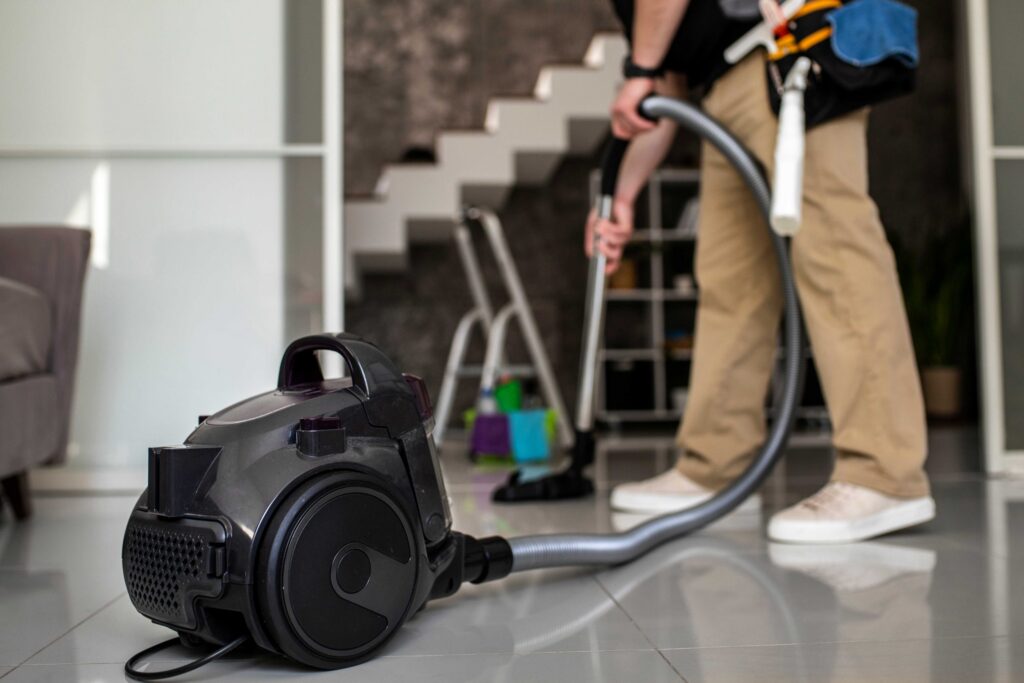
Water damage restoration is a critical process that helps mitigate the devastating effects of water-related incidents. Central to this endeavor is the use of advanced drying equipment, which plays a vital role in removing excess moisture and restoring affected areas to their pre-damage condition.
In this article, we’ll provide a comprehensive overview of the essential tools employed in water damage restoration. From high-powered air movers and dehumidifiers to moisture meters and thermal imaging cameras, we delve into the functionalities and significance of each piece of equipment.
Types of Drying Equipment
There are various types of drying equipment used in water damage restoration. Here’s what you need to know about these essential tools for effectively extracting moisture, filtering contaminants, and drying structures.
- Dehumidifiers: Dehumidifiers are designed to reduce the humidity levels in the air by extracting moisture. They help dry out the affected area and prevent further damage from moisture.
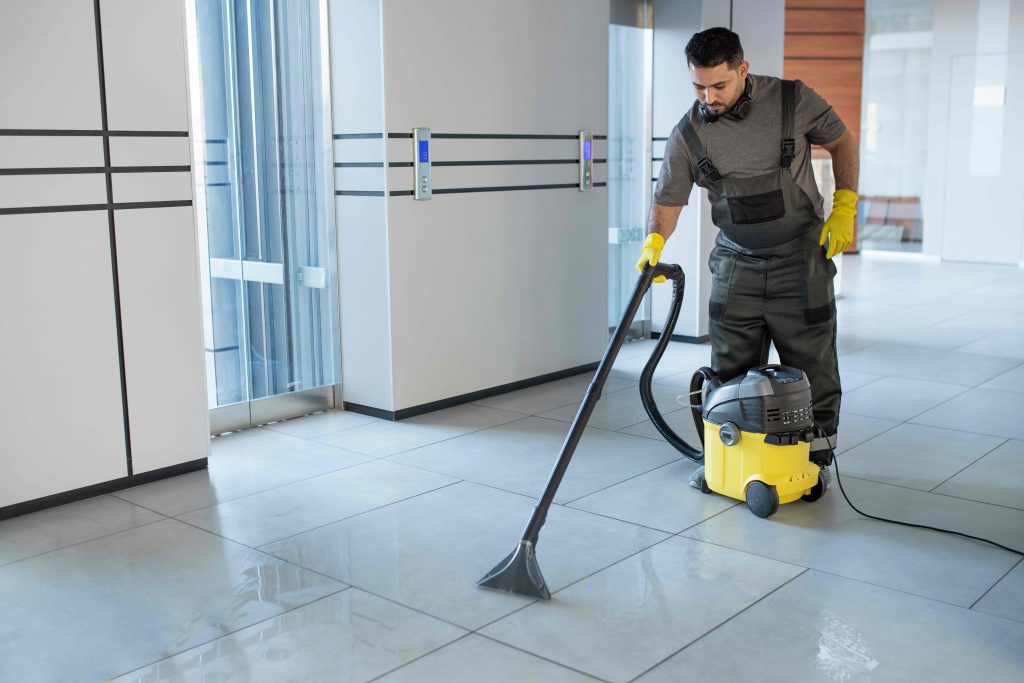
- Water Extractors: Water extractors, also known as wet vacuums or water pumps, are used to remove standing water from carpets, furniture, and other materials. These machines use suction to extract water, helping to speed up the drying process.
- Air Filtration Systems: Air filtration systems filter out dust, spores, and other contaminants that can be present in the air during a flood event. These systems help improve the air quality and create a healthier environment for restoration work.
- Thermal Imaging Cameras: Thermal imaging cameras use infrared technology to detect hidden moisture in walls, ceilings, and floors. They can identify areas with trapped water that may not be visible to the naked eye, allowing technicians to target those areas for drying.
- Structural Drying Machines: These machines utilize specialized technology to dry building materials such as wood beams and concrete slabs. They provide controlled heat and airflow to expedite drying while minimizing the risk of warping or cracking delicate structures.
These are just a few examples of the dehydrating equipment used in water damage restoration. The specific equipment used may vary depending on the extent of the damage, the type of materials affected, and the restoration company’s preferences and expertise.
Benefits of Using Professional-Grade Drying Equipment
Professional-grade dewatering equipment is essential when it comes to water damage restoration. It enables professionals to restore affected structures to pre-loss condition safely and effectively. Here are the strengths you should take into account:
- Efficient Water Removal: Professional-grade pumps and extractors are designed to remove standing water from flooded areas quickly. It reduces the risk of further damage to structures and materials due to prolonged exposure to moisture.
- Faster Drying Time: Specialized air movers or fans used by professionals can dry wet materials significantly faster than natural evaporation alone. It helps prevent mold growth and minimize the potential for structural damage.
- Mold Prevention: High-quality dehumidifiers are crucial in controlling indoor humidity levels and creating an unfavorable environment for mold growth. By investing in professional-grade dehumidifiers, you can effectively prevent mold spores from germinating and spreading.
- Odor Elimination: Excessive moisture and dampness can lead to musty odors in water-damaged areas. Professional-grade dehydrating equipment helps remove moisture from the air and materials, eliminating the source of odors and creating a fresher indoor environment.
- Improved Restoration Outcomes: The use of professional-grade equipment and tools ensures better results in water damage restoration projects. These tools are designed for maximum performance and efficiency, enabling technicians to restore affected structures to their pre-loss condition more effectively.
Overall, investing in professional-grade dehydrating equipment provides the power, speed, and precision required for successful restoration of water damage, minimizing further damage and ensuring a safer and healthier environment.
Techniques Involved in Water Damage Restoration
Water damage restoration involves various techniques to remove moisture from affected areas. Controlling moisture levels using air movers and dehumidifiers, conducting thorough inspections, and repairing damaged surfaces are essential for effective restoration and property preservation. Here is a more detailed explanation of these techniques:
- Moisture Control: Professionals use air movers and dehumidifiers to control the moisture level in the affected area. Air movers help increase air circulation, while dehumidifiers extract excess moisture from the air. This combination accelerates the drying process.
- Thorough Inspection: Before starting the drying process, a comprehensive inspection is conducted to identify the extent of the damage and ensure that no mold or bacteria are present. This inspection is also carried out periodically during the restoration to monitor progress and detect hidden issues.
- Repair and Restoration: Once the excess moisture is removed and humidity levels are controlled, the focus shifts to repairing and restoring the damaged surfaces. It may involve repairing walls, flooring, and other affected areas. In some cases, more extensive repairs or reconstruction may be necessary, such as replacing carpets or rebuilding sections of the building structure.
By following these techniques and adhering to industry standards, professionals can effectively restore properties damaged by water infiltration. Proper water damage restoration ensures the property’s safety and helps maintain its value in the long run. Utilizing appropriate dehydrating equipment is an essential part of the restoration process.
Dehumidification Systems
Dehumidifiers play a crucial role in removing excess moisture from the air and minimizing humidity levels, which is vital for preventing secondary damage and maintaining a safe and healthy environment. Here are some key points about this equipment:
- Purpose: Dehumidifiers are used to remove air moisture and reduce humidity levels in water-damaged areas. They help prevent secondary issues such as mold growth and structural damage caused by excessive moisture.
- Capacity: Dehumidifier capacities range from 10 to 60 pints per day. The appropriate capacity depends on the size of the area to be dried. Larger capacity units may be needed for more severe water damage situations.
- Multiple Units: Using multiple smaller dehumidifiers rather than a single large unit is often beneficial. This approach provides better coverage and drying efficiency across different areas within the affected structure.
- Temperature Control: Dehumidifying equipment can also detect temperature changes, allowing adjustments to optimize drying conditions. Maintaining the right temperature further enhances the efficiency of the drying process.
- Time and Cost Efficiency: By using dehumidifiers effectively, water damage restoration projects can be completed more quickly and cost-effectively. Adequate drying reduces the risks associated with insufficient moisture removal.
Overall, dehumidification systems are vital tools for water damage restoration. They help create a suitable environment for drying, prevent secondary damage, and ensure successful outcomes.
Air Movers and Air Scrubbers
Air movers and air scrubbers are essential pieces of dewatering equipment in water damage restoration. Air movers are designed to create airflow, which helps evaporate moisture from wet surfaces. They work by spinning blades to push large volumes of air across affected areas quickly and efficiently. This circulation allows for better evaporation of any remaining water droplets, decreasing dry time significantly.
On the other hand, air scrubbers help improve indoor air quality during a restoration job. These machines typically have filtration systems that capture airborne matter, such as dust, pollen, mold spores, and bacteria. By trapping these unwanted contaminants before they spread throughout a home or building, an air scrubber ensures a healthier atmosphere following a water emergency.
Ultimately, air movers and air scrubbers play key roles in achieving successful results when restoring property after water damage has occurred. Their powerful suction capabilities and specialized filtration technology make them invaluable tools in the battle against excess humidity levels and unhealthy indoor environments– two elements often associated with flooding incidents. With this knowledge in mind, one must consider all aspects of purchasing appropriate dewatering equipment for their specific situation.
What to Look for When Purchasing Drying Equipment
When purchasing dewatering equipment, there are several important factors to consider. Here’s a list of things to look for to make an informed decision about choosing the right product:
– Drying Capacity
Consider the size and capacity of the equipment. Ensure it can handle the volume of material or space you need to dry effectively. If the equipment is too small, it may not provide adequate drying, while an oversized unit may consume more energy than necessary.
– Energy Efficiency
Look for energy-efficient dewatering equipment. Energy-efficient models can help reduce operating costs and minimize environmental impact. Check for energy ratings or certifications such as Energy Star to ensure you choose an efficient option.
– Drying Speed
Evaluate the drying speed of the equipment. The drying process should be efficient and quick to minimize downtime. Look for equipment with adjustable settings for different drying speeds depending on your requirements.
– Portability and Maneuverability
If you need to move the dehydrating equipment frequently, consider its portability and maneuverability. Look for lightweight, compact models with wheels or handles for easy transportation.
– Controls and Features
Check the controls and features of the equipment. It should have user-friendly controls that allow you to easily adjust temperature, humidity levels, and drying settings. Additional features like timers, automatic shut offs, and programmable options can enhance convenience and efficiency.
By considering these factors, you can make a knowledgeable decision and choose the drying equipment that best meets your requirements in terms of performance, efficiency, and long-term cost-effectiveness.
Final Thoughts
Drying equipment is essential for any water damage restoration project. It’s important to use professional-grade tools and understand the techniques to restore your property. Dehumidification systems are key to controlling humidity levels, while air movers and scrubbers help circulate fresh air and remove unwanted moisture from the environment.
At the end of the day, having reliable drying equipment makes all the difference when dealing with water damage. It speeds up the process and ensures that everything is dried properly so no further issues arise down the road.
If you need help restoring water damage, contact us at PuroClean of Bradenton. We utilize top-quality drying equipment and techniques to ensure efficient and proper restoration. Trust our expertise to handle your property with care.