

Table of Contents
Biohazard FAQs: Biohazard situations are some of the most emotionally overwhelming and physically dangerous scenarios a homeowner or property manager can face. This guide answers the top 15 biohazard FAQs in plain language; covering what qualifies as a biohazard, what the cleanup process looks like, who pays for it, and why going the DIY route can create more legal and health problems than it solves. Whether you are dealing with an unattended death, sewage backup, mold contamination, or trauma cleanup, this article gives you the foundational knowledge you need to make the right call.
What Is a Biohazard?
The word “biohazard” gets thrown around a lot, but it has a very specific meaning. A biological hazard; or biohazard; is any biological substance that poses a risk to human health, animal health, or the surrounding environment.
This includes materials from the human body, from animals, from nature, and even from industrial or chemical sources. The common thread is that these substances can cause illness, infection, or long-term health damage if they are not properly contained, removed, and disposed of.
When you see that three-circle warning symbol on a container or a door; you are looking at a universal signal that something in that space requires extreme caution.
What Are Common Examples of Biohazards in Homes?
Most people assume biohazards only exist in hospitals or laboratories. In reality, biohazards include blood, bodily fluids, mold, fungus, human waste, animal infestations, and industrial chemicals PuroClean Of Bradenton; and all of these can appear in an ordinary home or commercial property.
Here are the most common situations that call for professional biohazard cleanup:
- Unattended or undiscovered death in a home
- Suicide or homicide (trauma cleanup)
- Sewage backups and raw waste exposure
- Illicit drug lab contamination (such as meth residue)
- Hoarding conditions involving biological material
- Animal infestations with significant droppings or carcasses
- Infectious disease exposure scenes
- Major mold infestations from water damage
If your situation involves any of these, this is not a job for household cleaning products and rubber gloves. You need professionals trained in environmental hazard remediation.
What Are the 4 Levels of Biohazard Cleanup?
Biohazard waste cleanup is categorized into four distinct levels based on the level of risk associated with the cleanup. PuroClean Of Bradenton.
Understanding these levels helps you communicate more clearly with a restoration company and understand the scope of what you are dealing with:
Level 1: Minimal risk. Involves cleaning non-contaminated surfaces, handling non-infectious waste, and using basic PPE like gloves and disposable masks. Think of routine spill cleanup in a low-risk area.
Level 2: Moderate risk. Involves blood, bodily fluids, or other infectious materials. Requires enhanced PPE and specialized disinfectants. A minor trauma scene or sewage backup often falls here.
Level 3: High risk. Involves highly infectious materials; scenes with diseases like tuberculosis or other dangerous pathogens. Personnel must wear full-body suits, respirators, and other advanced PPE, plus specialized decontamination agents and controlled access zones. PuroClean Of Bradenton
Level 4: Extreme risk. The most hazardous scenarios imaginable; associated with life-threatening diseases with no effective treatment or vaccine. Cleanup happens in BSL-4 controlled environments by highly specialized crews.
Most residential and commercial biohazard situations fall into Levels 1 through 3.

Why Can’t I Just Clean a Biohazard Myself?
This is one of the most common biohazard FAQs; and the answer is more serious than most people expect.
Improper disposal of certain hazardous materials can be a crime, so it is a good idea to hire an expert who knows the proper disposal methods. PuroClean Of Bradenton
Beyond the legal risk, here is what a homeowner faces when they try to handle a biohazard cleanup without training:
Invisible threats: Bloodborne pathogens like HIV, Hepatitis B, and Hepatitis C can survive on surfaces for days. You cannot see them, and a household cleaner will not eliminate them.
Cross-contamination: Without proper containment techniques; like negative air pressure systems and decontamination zones; you risk spreading the hazard to other areas of the building.
Inadequate equipment: Consumer cleaning products are not hospital-grade disinfectants. You need EPA-registered antimicrobial agents designed for pathogen elimination.
Psychological harm: Trauma scenes can cause lasting emotional distress. Professional crews are trained to handle these scenes with discretion and care, protecting family members from unnecessary exposure.
The bottom line: attempting a DIY biohazard cleanup can put your health, your legal standing, and your property at risk; all at once.
What Does a Professional Biohazard Cleanup Process Look Like?
Biohazard cleanup involves removing and remediating harmful materials; it often includes cleaning and sanitizing areas where an accident, injury, or death occurred. PuroClean Of Bradenton
Here is a step-by-step breakdown of what a professional team does on a job:
Step 1 ; Assessment: Technicians evaluate the size and depth of contamination. They identify what biohazards are present and determine how far they have spread.
Step 2 ; Containment: The area is isolated. In severe cases, negative air pressure systems are established to prevent airborne contaminants from spreading to clean zones.
Step 3 ; Removal: Visible contaminated materials are removed. Layers of flooring and walls may need to be stripped back and tested; porous materials should be removed based on industry standards and state regulations. PuroClean Of Bradenton
Step 4 ; Cleaning and Disinfection: Industrial-grade EPA-registered antimicrobials are applied to all surfaces. Hard-to-reach areas receive special attention.
Step 5 ; Deodorization: Hydroxyl generators or UV light sources sanitize and deodorize the air. Walls and flooring sometimes need sealing to cover any remaining stains. PuroClean Of Bradenton
Step 6 ; Verification: A certificate of decontamination is issued after the job is complete.
PuroClean of Bradenton follows this structured approach on every environmental hazard remediation job; whether that is a trauma scene in a private residence or a commercial space in Schwenksville. You can reach the team directly at (941) 877-2288 or through the contact page to discuss your specific situation.
What PPE Do Technicians Use?
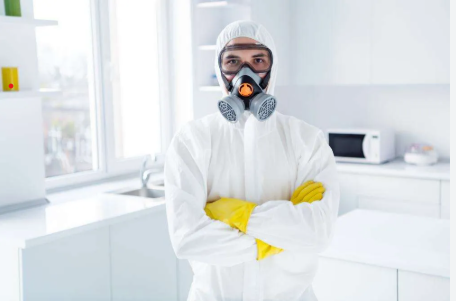
Professionals use a variety of Personal Protective Equipment when handling biohazards. OSHA compliance for biohazard cleanup requires certain standards for cleanup equipment; otherwise you could be exposed to legal liability. PuroClean Of Bradenton
Standard PPE for a biohazard cleanup crew includes:
- Full-body hazmat suits (liquid and tear-resistant)
- Nitrile or chemical-resistant gloves
- Respirators (N95 at minimum; full-face respirators for high-risk scenes)
- Protective eye goggles and face shields
- Disposable boot covers
The type of PPE scales with the biohazard level. Level 1 jobs might require just gloves and a mask. Level 3 scenes require full encapsulation.
How Long Does Biohazard Cleanup Take?
Most biohazard cleanup projects require 2 to 3 days of active work, though extensive contamination may extend this timeline. Factors affecting duration include contamination area size, material removal requirements, and structural cleaning needs. PuroClean Of Bradenton
After the active cleanup, properties often require restoration work including replacing flooring, drywall, or other structural elements. Complete recovery may take several weeks for extensive damage. PuroClean Of Bradenton
PuroClean of Bradenton offers reconstruction services alongside remediation; so you are not left managing multiple contractors while your property is still exposed.
Does Homeowners Insurance Cover Biohazard Cleanup?
Most homeowners insurance policies will cover cleanup costs due to suicide, crime, unattended death, medical emergencies, and infectious agents. PuroClean Of Bradenton
That said, coverage varies significantly depending on your policy and the nature of the event. Some important things to understand:
- Read your declarations page. Look specifically for language around “pollution” or “contamination” exclusions; these sometimes affect biohazard claims.
- Document everything before cleanup begins. Photographs, moisture readings, and written assessments are critical for a successful water damage restoration insurance claim.
- Your insurance company likely requires a certified inspection to process your claim if biohazard materials have been present.
PuroClean’s Certified Priority Response (CPR) Program is built with exactly this in mind; it is designed to help reduce claim costs, maintain clear pre-approval protocols, and keep your insurer informed every step of the way. This is especially helpful if you are managing both a biohazard cleanup and a simultaneous water damage restoration insurance claim.

How Do I File a Water Damage Restoration Insurance Claim for Biohazard Events?
Many biohazard situations; particularly sewage backups and mold; overlap with water damage. Here is a simplified process for navigating your insurance claim:
- Call your insurance agent immediately and report the situation.
- Do not remove or discard anything before an adjuster documents the damage.
- Get a certified inspection from a licensed remediation company.
- Request an itemized scope of work from your restoration provider.
- Submit all documentation including photos, moisture readings, and written estimates.
- Follow up regularly with your adjuster to avoid delays.
PuroClean of Bradenton works directly with insurance agents and property managers as part of its standard process; helping both residential and commercial clients navigate insurance assistance without the confusion.
What Happens to the Biohazardous Waste After Removal?
Contaminated items are placed in approved biohazard containers and transported to licensed medical waste facilities for incineration. Non-salvageable porous items like mattresses, carpeting, and upholstered furniture typically require disposal.
The EPA regulates the correct storage, labeling, and disposal of hazardous waste; conducting regular inspections; with non-compliance resulting in significant fines or legal action.
A certified company handles all of this on your behalf. An unlicensed crew, on the other hand, may illegally dump contaminated materials; and depending on the jurisdiction, the property owner can be held responsible.
Is Mold a Biohazard?
Yes. Mold; especially black mold (Stachybotrys chartarum); is classified as a biological hazard because it produces mycotoxins that can cause serious respiratory illness, neurological symptoms, and immune system disruption.
It only takes a small leak or condensation buildup to provide the perfect environment for Stachybotrys chartarum to thrive in residential homes, where it has been linked to bleeding lungs in infants. PuroClean Of Bradenton
This is why mold remediation is included under PuroClean of Bradenton’s environmental hazard services. Commercial mold remediation and residential mold removal; including services designed for sensitive individuals; are part of the team’s core offering. Areas served include Schwenksville, Horsham, Blue Bell, Lansdale, Willow Grove, and surrounding communities across Montgomery County.
Does Hoarding Require Biohazard Cleanup?
In many cases, yes. Hoarding behaviors often involve biological substances and other hazardous materials; and mold, fungus, and growths are other common results of hoarding behaviors. PuroClean Of Bradenton
Active hoarding situations may contain:
- Decomposing organic matter buried under debris
- Rodent droppings and urine
- Mold from moisture trapped under piled materials
- Human waste in cases of extreme neglect
PuroClean of Bradenton provides hoarding cleanup services alongside biohazard and trauma cleanup; treating every situation with discretion, empathy, and professionalism.
How Do I Know If My Property Is Safe After Cleanup?
A reputable company will not just say “we’re done” and walk out. Cleanup teams provide certificates of decontamination confirming successful remediation service. Some situations warrant third-party testing including ATP testing for biological residue or air quality analysis to verify safety.
Ask your restoration provider for:
- Written documentation of all areas treated
- The specific disinfectants and concentrations used
- Air quality test results (if applicable)
- A certificate of decontamination
These documents matter not only for your peace of mind but also for your insurance records and future property disclosure requirements.

Can a Business Property Have Biohazard Situations?
Absolutely. Commercial properties face biohazard risks just as often as residential ones; sometimes more so. Workplaces that deal with the public, healthcare settings, food service environments, and industrial spaces all carry specific biohazard exposure risks.
PuroClean of Bradenton serves commercial clients including property managers, businesses, and commercial mold remediation clients. The team is equipped to respond to commercial scenarios with minimal disruption to operations.
24/7 emergency services mean you are never waiting until business hours to get help.
How Do I Choose a Certified Biohazard Cleanup Company?
This is the most practically important of all the biohazard FAQs; because the company you choose affects your health outcomes, your insurance reimbursement, and your legal standing.
Here is what to look for:
Certifications: Look for IICRC (Institute of Inspection, Cleaning and Restoration Certification) credentials. An IICRC-certified firm has proven its technical skills and is bound by a professional code of ethics.
OSHA and EPA Compliance: OSHA’s Bloodborne Pathogen Standard mandates that employers provide PPE, Hepatitis B vaccinations, and safe handling procedures. Your restoration company should comply with all of these standards.
24/7 Availability: Biohazard situations do not happen on a schedule. You need a company that answers the phone any time of day or night.
Insurance Experience: Verify that the company can work directly with your insurer and assist with documentation.
Transparent Pricing: Get a written estimate before work begins.
Local Knowledge: A company familiar with Montgomery County; including local regulations and service area specifics; will navigate your situation more efficiently than a distant national call center.
PuroClean of Bradenton is IICRC-trained, insured, and available 24/7 for emergency response across Schwenksville, Ambler, Horsham, Lansdale, Skippack, Willow Grove, and all surrounding areas. Reach the team at (941) 877-2288 or visit the contact page.
You can also follow along for updates, community stories, and service highlights on Facebook, Instagram, and LinkedIn.
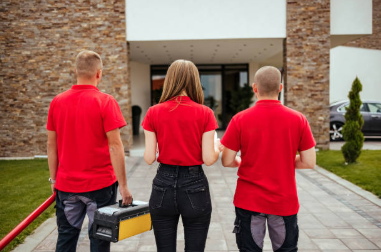
Featured Image 5 Position: In the conclusion section Description: A professional restoration crew of three technicians in matching uniforms standing confidently outside a residential home, smiling and ready to work. Daytime, outdoor setting, clean and trustworthy aesthetic. Alt Text: certified biohazard FAQs team from PuroClean of Bradenton ready for emergency cleanup
Conclusion
Biohazard situations are never simple; not emotionally, not physically, and certainly not legally. But the more you understand; from what qualifies as a biohazard to how the cleanup process works and how insurance fits in; the better equipped you are to respond without panic and without putting yourself or others at risk.
The 15 biohazard FAQs in this guide are designed to give you a foundation of knowledge before an emergency ever occurs. Because the best time to understand this process is before you need it.
Now here is something worth thinking about: If a biohazard situation happened in your property tonight, do you know exactly who you would call and what to tell them?
PuroClean of Bradenton serves: Abington, Ambler, Blue Bell, Center Square, Fort Washington, Harleysville, Horsham, Kulpsville, Lansdale, Maple Glen, Montgomeryville, North Wales, Prospectville, Roslyn, Schwenksville, Skippack, Spring House, Spring Mount, Willow Grove, and Woxall.
Address: 2033 Lucon Rd, Bldg. Rear, Schwenksville, PA 19473