 PuroClean of Bradenton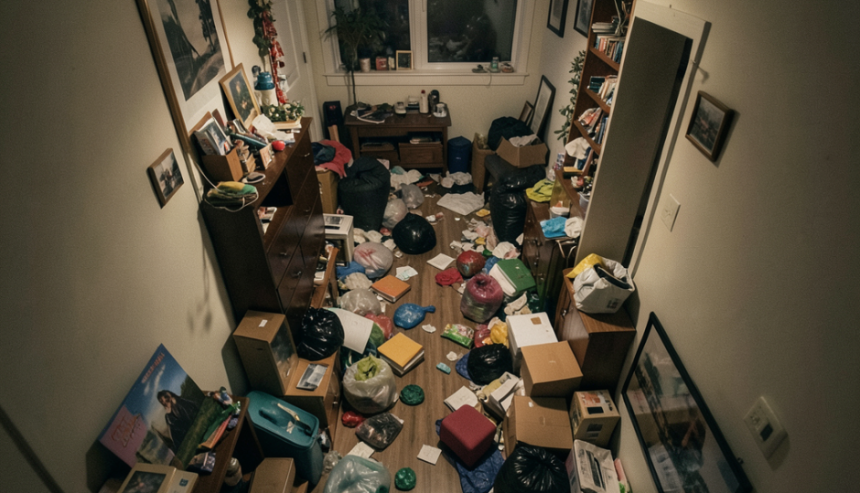
Hoarding in condos are among the most complex and sensitive challenges an HOA or property manager can face.
They sit at the intersection of health risk, property damage, legal responsibility, and human dignity — all within the constraints of shared walls, common systems, and neighboring residents. Unlike single-family homes, hoarding in condos rarely affects just one unit. Odors, pests, moisture, mold, and fire hazards have a way of spreading quietly and quickly.
Handled poorly, hoarding can escalate into a crisis.
Handled correctly, it can be resolved safely, legally, and compassionately — while protecting the building and everyone who lives in it.
This guide explains how hoarding should be handled in condo environments, step by step, with a focus on risk reduction, compliance, and professionalism.
We’ll cover:
Understanding Hoarding in a Condo Context
Hoarding is not simply clutter or poor housekeeping. In many cases, it involves:
- Blocked exits and egress paths
- Excess combustible materials (paper, textiles, cardboard)
- Food waste, spoiled items, or pest infestations
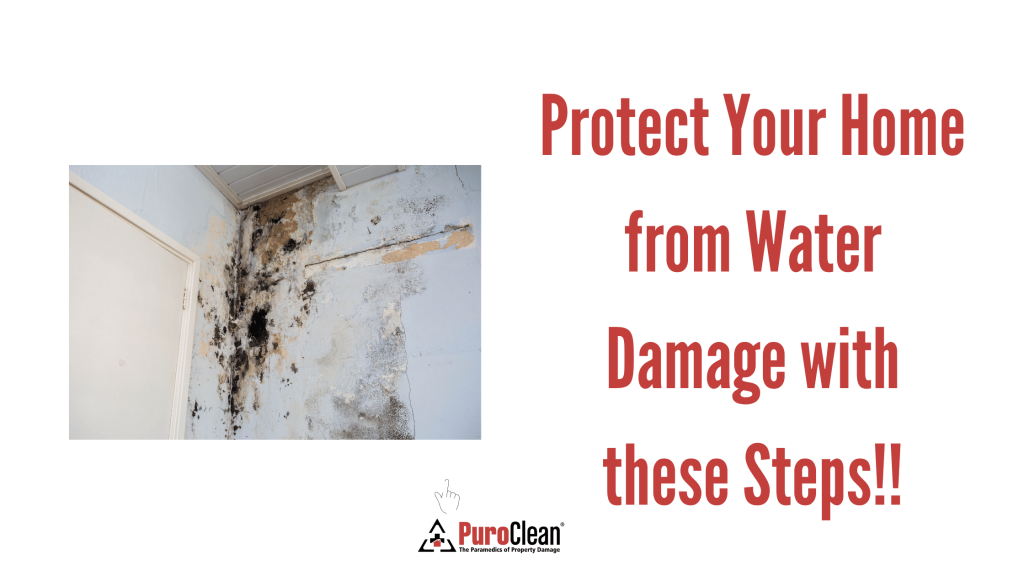
- Moisture retention leading to mold growth
- Structural stress on flooring systems
- Biohazards such as bodily fluids, animal waste, or decomposing materials
In condominiums, these conditions can impact:
- Adjacent units (shared walls, ceilings, plumbing lines)
- Common areas
- Building safety systems (sprinklers, alarms, ventilation)
- Insurance exposure for the HOA
The biggest mistake HOAs make is waiting too long — often out of discomfort or fear of conflict — until the situation forces emergency action.
Early Warning Signs HOAs and Property Managers Should Not Ignore
Most condo hoarding cases are not discovered through inspections. They surface through secondary complaints or maintenance issues, such as:
- Persistent odors reported by neighboring units
- Recurring pest activity isolated to one vertical stack
- Plumbing backups or leaks originating from a single unit
- Fire alarm obstructions or sprinkler access issues
- Repeated refusal of access for maintenance or inspections
- Visible clutter through doors, windows, or balconies
These are not “minor nuisances.” In a condo setting, they are risk indicators.
Early intervention dramatically reduces cleanup complexity, cost, and liability.
Legal and Responsibility Considerations in Florida Condos
In Florida, responsibility in hoarding cases often depends on:
- Governing documents (declarations, bylaws, rules)
- Whether damage extends beyond the unit of origin
- Health and safety code violations
- Whether common elements are affected
While the unit owner is typically responsible for conditions inside their unit, the HOA has a duty to protect common elements and other residents.
This often gives HOAs the authority — and obligation — to act when hoarding presents:
- A fire hazard
- A health risk
- Structural or moisture damage
- A violation of local codes
The key is documentation and professional assessment.
Why Hoarding in Condos Requires Specialized Cleanup
One of the most damaging misconceptions is that hoarding cleanup is just “deep cleaning.”
In condos, hoarding often involves:
- Biohazard exposure
- Hidden moisture and mold
- Compromised air quality
- Structural and system-level risks
- Controlled removal and disposal requirements
Professional hoarding cleanup teams are trained to:
- Identify unseen hazards
- Prevent cross-contamination to adjacent units
- Use proper containment and air filtration
- Coordinate safely with property management and HOAs
- Document conditions before, during, and after cleanup
This is critical not only for safety, but for liability protection.
Step-by-Step: How HOAs and Property Managers Should Handle Hoarding
1. Document Concerns Without Escalation
Avoid confrontational language. Instead:
- Log complaints and maintenance issues
- Photograph common-area impacts (never invade privacy unlawfully)
- Track repeated incidents over time
Documentation protects the HOA and guides next steps.
2. Request a Professional Assessment
Before issuing demands or notices, involve professionals who understand condo environments.
A qualified hoarding cleanup and biohazard remediation provider can:
- Assess health and safety risks
- Identify hidden damage
- Advise on urgency and scope
- Help determine whether immediate action is required
This shifts the conversation from opinion to professional findings.
3. Communicate Clearly and Compassionately
Hoarding is often associated with mental health challenges. While HOAs are not therapists, tone matters.
Effective communication:
- Focuses on safety and building protection
- Avoids judgment or shaming language
- Clearly outlines required actions and timelines
- References documented risks and professional assessments
Compassion does not mean inaction — it means measured, respectful enforcement.
4. Protect Adjacent Units and Common Areas
If there is any indication of:
- Odor migration
- Moisture spread
- Pest movement
- Mold risk
The HOA should act immediately to:
- Inspect neighboring units (with proper notice)
- Deploy containment if needed
- Address shared systems (plumbing, ventilation)
Waiting increases remediation scope and cost exponentially.
5. Use a Professional Cleanup Team — Not General Cleaners
Hoarding in condos should never be handled by:
- Janitorial services
- Maintenance staff
- Volunteers
- Untrained vendors
Professional hoarding cleanup teams bring:
- PPE and safety protocols
- Proper disposal methods
- HEPA filtration and containment
- Experience working in multi-unit buildings
- Discretion and professionalism
This protects residents, staff, and the HOA.
6. Verify Post-Cleanup Conditions
Cleanup is not complete when the clutter is gone.
A proper resolution includes:
- Odor neutralization
- Moisture verification
- Mold inspection if warranted
- Clearance documentation
- Confirmation that shared systems are unaffected
This step is essential for insurance, liability, and resident confidence.
Common Mistakes HOAs Make in Hoarding Situations
- Waiting until neighbors complain loudly
- Treating hoarding as a rule violation only
- Using unqualified cleaners
- Failing to assess adjacent units
- Not documenting conditions professionally
- Escalating emotionally instead of procedurally
Each of these mistakes increases risk and cost.
Why Early Professional Intervention Saves Money
In condo hoarding cases, costs escalate due to:
- Mold development
- Structural damage
- Pest spread
- Insurance claims
- Legal disputes with neighbors
Early involvement of a qualified cleanup provider often:
- Limits scope
- Reduces restoration needs
- Protects the HOA from negligence claims
- Resolves the issue quietly and efficiently
Choosing the Right Hoarding Cleanup Partner for Condos
When selecting a provider, HOAs and property managers should look for:
- Experience with condos and multi-unit buildings
- Biohazard cleanup capability
- Discretion and resident sensitivity
- Clear documentation and reporting
- Coordination with property management
- Knowledge of Florida regulations and expectations
This is not a commodity service — it is risk management.
Final Thoughts: Handling Hoarding in Condos the Right Way
Hoarding in condos is challenging — but it is manageable when approached correctly.
The goal is not punishment.
The goal is safety, dignity, and protection of the building and its residents.
When HOAs and property managers act early, rely on professional expertise, and follow a structured process, hoarding situations can be resolved without crisis, conflict, or long-term damage.
And when in doubt, involving a qualified professional early is always the safest first step.
When faced with hoarding in a condo, call 941-877-2288 or visit our contact page today.

 PuroClean of Bradenton