


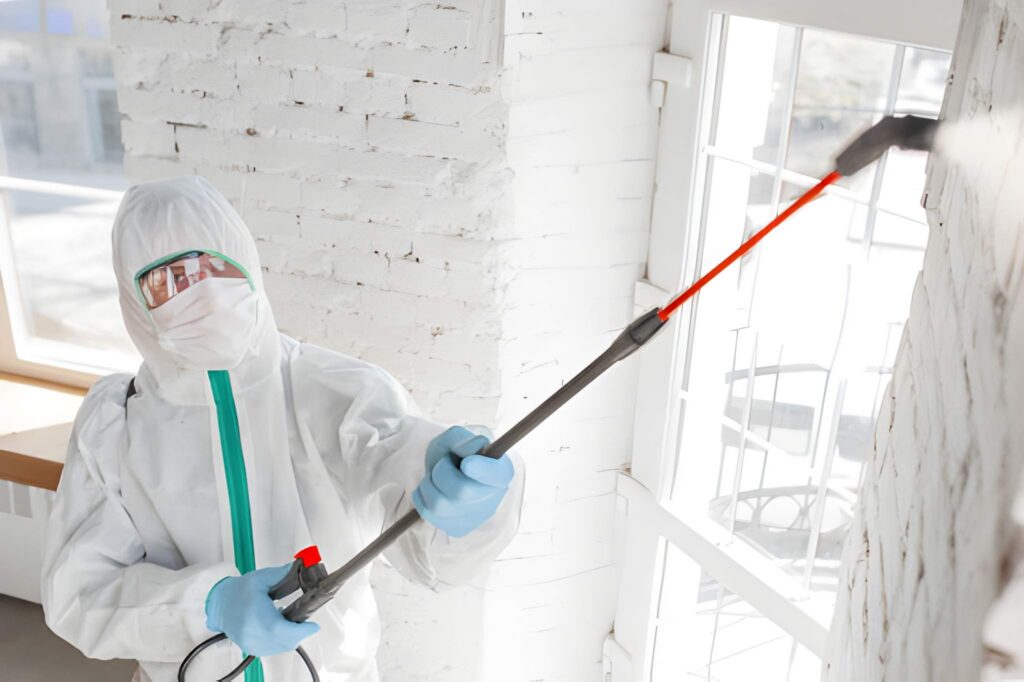
Mold is more than an unsightly nuisance or a musty smell—it can be a source of dangerous biotoxins that linger in buildings long after visible growth is gone. If you’re searching for mold remediation to get rid of biotoxins, you’re likely dealing with health concerns, repeated mold issues, or a property that never seems to feel “clean” even after surface treatment.
This guide explains how biotoxins from mold behave, why many cleanup attempts fail, and what true professional mold remediation must include to actually remove them—not just cover them up.
We’ll cover:
What Are Mold Biotoxins (Mycotoxins)?
Biotoxins from mold—commonly called mycotoxins—are toxic compounds released by certain mold species as part of their survival mechanism. These substances are:
- Microscopic
- Airborne
- Chemically stable
- Capable of remaining after mold is disturbed or killed
Unlike mold spores, biotoxins are not alive, which means killing mold alone does not eliminate the toxins it produced.
Common Molds Associated With Biotoxins
- Stachybotrys chartarum (black mold)
- Aspergillus
- Penicillium
- Chaetomium
- Fusarium
These molds are frequently found in water-damaged buildings, especially where moisture has gone unnoticed or untreated.
Mold Remediation to Get Rid of Biotoxins Goes Beyond Bleach
One of the biggest misconceptions is that spraying mold with bleach, fogging agents, or antimicrobial products solves the problem.
It doesn’t.
Here’s why:
- Dead mold still releases toxins
- Biotoxins bind to dust, surfaces, and porous materials
- Air movement can redistribute toxins throughout the building
- DIY or incomplete cleanup often spreads contamination
True remediation is not about killing mold—it’s about physically removing contaminated materials and cleaning the environment at a microscopic level.
How Biotoxins Spread Through a Building
Biotoxins don’t stay where mold is visible. They can travel through:
- HVAC systems
- Air currents from fans or AC
- Clothing and personal belongings
- Dust settling on walls, furniture, and floors
This is why people may still experience symptoms after mold appears to be gone.
Health Concerns Linked to Mold Biotoxin Exposure
While reactions vary from person to person, exposure has been linked to:
- Chronic fatigue
- Brain fog and memory issues
- Respiratory irritation
- Sinus infections
- Skin rashes
- Headaches
- Heightened symptoms in children, seniors, and immune-compromised individuals
This is why proper mold remediation to remove biotoxins is critical, especially in homes, offices, healthcare facilities, and senior living environments.
What Proper Mold Remediation to Get Rid of Biotoxins Actually Includes
1. Source Identification and Moisture Control
Biotoxins won’t stop forming unless the moisture source is corrected. This includes:
- Hidden leaks
- Humidity issues
- Past water damage
- Condensation problems
No remediation works without moisture control.
2. Containment (Critical for Biotoxin Control)
Professional remediation uses:
- Negative air pressure
- Containment barriers
- HEPA-filtered air scrubbers
This prevents biotoxins from spreading during removal.
3. Removal of Contaminated Materials
Porous materials cannot be safely cleaned once contaminated, including:
- Drywall
- Insulation
- Carpet and padding
- Ceiling tiles
- Soft furnishings in severe cases
These materials must be physically removed and disposed of properly.
4. HEPA Vacuuming and Surface Decontamination
Biotoxins bind to dust. Professional remediation includes:
- HEPA vacuuming of all affected and adjacent areas
- Multiple cleanings
- Targeted wiping of hard surfaces using appropriate agents
This step is often skipped—and it’s one of the biggest reasons mold problems return.
5. Air Filtration and Environmental Cleaning
High-grade air filtration captures:
- Mold spores
- Dust-bound biotoxins
- Microscopic particulates invisible to the eye
This is especially important after demolition or removal.
6. Post-Remediation Verification
Professional remediation should include:
- Visual inspection
- Moisture readings
- Clearance testing (when appropriate)
Without verification, there’s no confirmation that biotoxins were actually addressed.
Why Fogging Alone Does Not Remove Biotoxins
Fogging and misting products may:
- Mask odors
- Kill surface mold
- Create a temporary sense of improvement
But they do not remove toxins embedded in materials or dust.
Fogging is only effective as a supplemental step, never as a standalone solution.
Mold Remediation vs. Mold Treatment: Know the Difference
| Mold Treatment | Mold Remediation |
|---|---|
| Kills mold | Removes mold & toxins |
| Surface-level | Structural & environmental |
| Temporary | Long-term solution |
| No containment | Full containment |
| No material removal | Targeted demolition |
If biotoxins are your concern, only remediation addresses them properly.
When Mold Remediation for Biotoxins Is Especially Important
- Homes with children or elderly occupants
- People with chronic health symptoms
- Properties with past flooding or long-term leaks
- Commercial buildings and offices
- Healthcare, assisted living, or childcare facilities
- Homes that “still smell” after mold cleanup
How to Choose the Right Mold Remediation Professional
Look for providers who:
- Specialize in containment-based remediation
- Use HEPA filtration
- Remove contaminated materials (not just treat them)
- Understand biotoxin behavior
- Follow industry standards (IICRC / EPA guidance)
- Provide documentation and verification
Avoid companies that:
- Promise “non-invasive” cures
- Only fog or spray
- Skip containment
- Can’t explain how biotoxins are removed
Final Thoughts: Removing Biotoxins Requires Precision, Not Shortcuts
If you’re dealing with mold-related health concerns, recurring contamination, or a property that never feels clean, the issue may not be mold alone—it may be biotoxins left behind from incomplete remediation.
True mold remediation to get rid of biotoxins requires:
- Expertise
- Physical removal
- Proper containment
- Environmental cleaning
- Verification
Anything less is temporary. If you need mold remediation to get rid of biotoxins, call 941-877-2288 or visit our contact page today.