


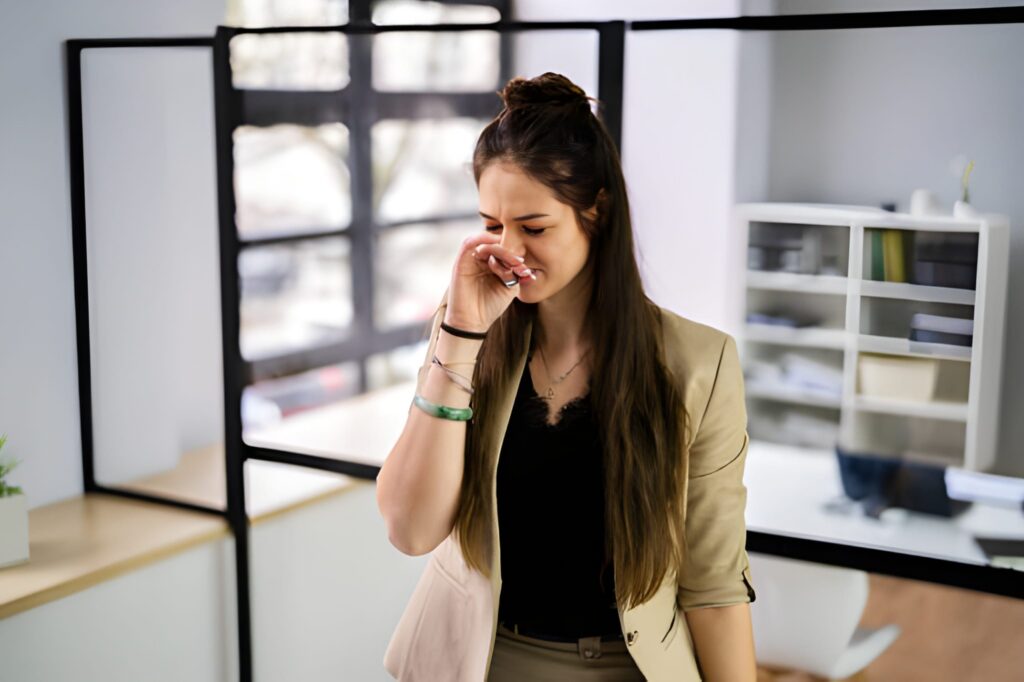
Introduction: When a Fresh Environment Speaks Volumes
For facility managers and property directors, preventing odor in commercial spaces is no longer a “nice-to-have” — it’s a matter of reputation, compliance, and occupant satisfaction.
In commercial buildings, what people smell can be just as important as what they see. A faint musty odor in a hotel hallway, lingering food smells in a breakroom, or the sharp sting of cleaning chemicals in a fitness center can all send the wrong message.
In Florida’s humid, coastal environment, preventing odor in commercial spaces requires more than routine cleaning. It takes a strategic, science-backed approach that addresses odor at its source — not just its symptoms.
That’s where PuroClean of Bradenton steps in: certified large-loss experts trained to identify, neutralize, and prevent odor problems in even the most complex facilities.
In this article, we’ll cover:
Table of Contents
1. Understanding What Causes Odors in Commercial Properties
Every commercial property has its own odor challenges — and understanding them is the key to prevention. Common sources include:
- Moisture and Humidity: Florida’s subtropical climate allows bacteria and mold to thrive in HVAC systems, wall cavities, and restrooms.
- High-Traffic Areas: Locker rooms, fitness centers, and restrooms collect body oils, sweat, and moisture that produce organic odors.
- HVAC Contamination: Dirty ducts and filters can circulate unpleasant smells throughout the entire building.
- Waste Management Zones: Dumpsters, trash rooms, and compactors are hotspots for microbial activity.
- Kitchens and Breakrooms: Food residue, grease buildup, and floor drains create persistent odors.
- Soft Surfaces: Carpets, upholstery, and curtains act as odor “sponges,” trapping smells from cleaning chemicals, smoke, and spills.
Recognizing these sources helps managers take proactive steps before the odors become a serious (and costly) complaint.
2. Why Odor Prevention Matters More Than Odor Removal
The financial and reputational costs of odor issues go beyond discomfort. Persistent odors can:
- Drive away tenants or guests.
- Reduce employee morale and productivity.
- Trigger health concerns (especially if odors stem from mold or bio-contaminants).
- Complicate compliance with local health and safety codes.
The takeaway? Preventing odor in commercial spaces is far more efficient — and affordable — than removing it after the fact. Prevention safeguards both property value and brand credibility.
3. The Facility Manager’s Guide to Preventing Odor in Commercial Properties
Step 1: Master Moisture Management
Most odor problems start with moisture.
- Schedule routine inspections of plumbing, roofing, and HVAC condensation lines.
- Use dehumidifiers in enclosed or high-humidity areas.
- Implement moisture sensors or smart monitors in basements, laundry facilities, and restrooms.
By keeping moisture under control, you stop mold and mildew — the biggest odor culprits — before they start.
Step 2: Deep Clean with Science, Not Scents
Air fresheners only mask odors temporarily. Instead, rely on enzyme-based or bio-enzymatic cleaning agents that digest organic residue.
Use electrostatic sprayers for even disinfectant coverage, especially in high-traffic zones like locker rooms and cafeterias.
Step 3: Keep Air Systems Pristine
Your HVAC system can either purify your building — or spread odors.
- Replace filters regularly with HEPA or activated carbon filters.
- Schedule professional duct cleaning at least annually.
- Install UV-C light systems to control microbial growth within air handlers.
This approach keeps indoor air fresh while extending the life of your HVAC system.
Step 4: Address Soft Surfaces
Fabrics absorb and retain odors.
- Use steam extraction and odor-neutralizing agents on carpets and upholstery.
- Opt for low-VOC cleaning products to prevent chemical buildup.
- Establish a routine schedule for fabric and curtain cleaning, especially in hotels or theaters.
Step 5: Prioritize Waste and Drain Maintenance
Drains and dumpsters are silent odor generators.
- Flush floor drains weekly with enzymatic cleaners.
- Ensure dumpsters are cleaned and deodorized regularly.
- Keep lids closed and waste areas well-ventilated.
For food service operations, schedule grease trap cleaning before odors arise.
Step 6: Implement an Odor Response Plan
Even with prevention, issues can occur.
A well-documented Odor Response Plan includes:
- Clear steps for identifying and isolating the source.
- Contact information for professional remediation teams (like PuroClean).
- A communication protocol to minimize tenant or guest disruption.
This ensures prompt, professional handling before a minor issue turns into a major one.
4. The Role of Technology in Preventing Odor in Commercial Spaces
Modern odor prevention isn’t guesswork — it’s data-driven.
Facilities now leverage technology such as:
- Continuous Air Quality Monitors: Detect elevated VOCs or humidity in real time.
- Smart Diffusion Systems: Dispense micro-doses of neutralizing compounds, not fragrances.
- Hydroxyl Generators: Safely neutralize airborne odors in occupied areas without chemicals.
PuroClean of Bradenton integrates these innovations into our commercial odor prevention services, ensuring every building stays fresh, healthy, and compliant.
5. Why Florida Businesses Face Unique Odor Challenges
Florida’s coastal air, humidity, and frequent storm activity make moisture control — and thus odor prevention — particularly critical.
After a storm, even a small water intrusion can foster microbial growth within days. Without rapid drying and deodorization, the resulting odors can linger for months.
That’s why many property managers throughout Sarasota and Bradenton rely on PuroClean for proactive inspections, dehumidification, and odor prevention protocols tailored to Florida’s environment.
6. When to Bring in the Professionals
Sometimes, even the best in-house maintenance teams can’t eliminate persistent odors. That’s when a certified odor remediation expert becomes essential.
Professional odor in commercial properties control involves:
- Source identification using moisture mapping and air sampling.
- Molecular-level neutralization with hydroxyl or ozone systems.
- HEPA air scrubbing to restore indoor air quality.
- Surface sealing to prevent re-emission from porous materials.
At PuroClean of Bradenton, our technicians are trained in advanced odor remediation and prevention for commercial environments — from hotels and offices to gyms and healthcare facilities. We don’t just clean the air; we restore the entire indoor environment.
7. Proactive Odor Prevention Protects Your Property — and Your Reputation
Every facility manager knows: the best maintenance plans are the ones that prevent issues before they start.
By combining smart technology, regular inspections, and professional remediation support, you can maintain odor-free, healthy spaces that reflect the professionalism of your brand.
Whether you’re managing a corporate office, athletic facility, or multi-tenant property, odor prevention is reputation protection — and PuroClean of Bradenton is your trusted ally in keeping it that way.
📞 Call PuroClean of Bradenton today at 941-877-2288 or visit our contact page
to schedule a commercial odor prevention consultation and safeguard your property’s first impression.