


Table of Contents
Sewage contamination cleanup Bradenton requires immediate action, proper safety gear, and professional-grade disinfection to prevent serious health risks. Raw sewage carries bacteria, viruses, and parasites that can cause severe illness if not handled correctly. This guide walks you through exactly what to do, what to avoid, and why professional remediation is almost always the safest path forward.
Understanding the Hidden Dangers of Sewage Contamination
Most people think sewage is just a plumbing problem. It is not.
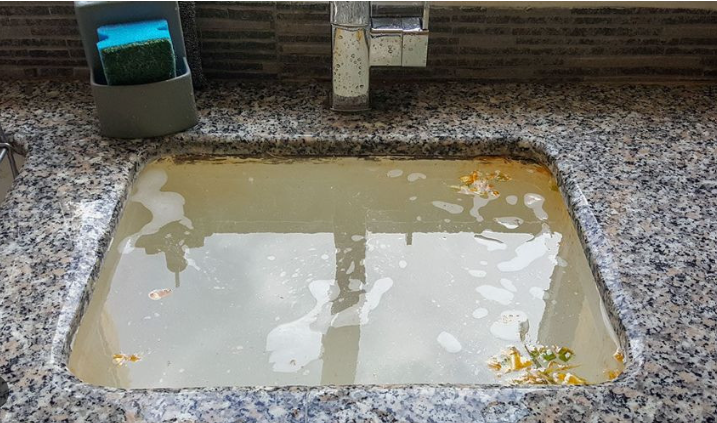
Raw sewage is classified as a Category 3 water loss by the IICRC (Institute of Inspection Cleaning and Restoration Certification). That means it is the most dangerous classification for water intrusion. It contains a mixture of bacteria like E. coli and Salmonella, viruses including Hepatitis A and Norovirus, as well as parasites and fungal spores.
What makes sewage contamination cleanup Bradenton especially concerning is the climate. Bradenton’s heat and humidity create ideal conditions for biological growth. Within 24 to 48 hours of a sewage backup, contaminated materials can develop secondary problems like mold, making a bad situation significantly worse.
The smell is often the first warning. But by the time you detect that sulfur and ammonia odor, the contamination may have already spread far beyond what is visible to the naked eye.
Step 1 ; Prioritize Safety Before Anything Else
Before you touch anything, think about protection.
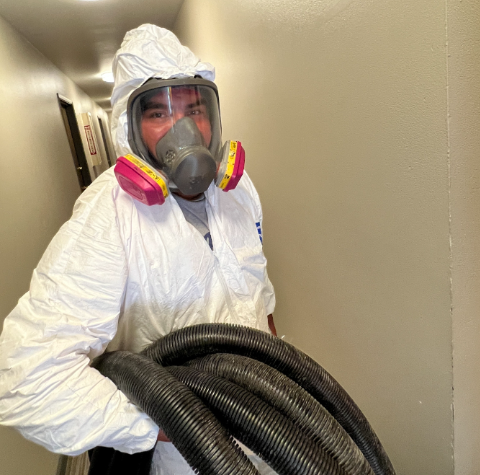
Sewage water that contacts your skin, eyes, or respiratory tract can transmit disease. This is not a situation where paper towels and a mop will do the job. If you are entering a space where sewage has backed up, you need, at a minimum:
- Waterproof rubber gloves
- Rubber boots or waterproof shoe covers
- Safety goggles
- An N95 respirator or better
- Disposable coveralls if the area is heavily contaminated
Children, elderly individuals, pregnant women, and anyone with a compromised immune system should leave the building entirely. Do not allow pets into the area either.
Also, before entering, turn off the electricity to the affected area at your circuit breaker. Water and electricity are a fatal combination, and sewage water conducts electricity just like any other liquid.
These precautions are not just recommendations. They are the baseline that professional sewage contamination cleanup teams in Bradenton follow on every job, every time.
Step 2 ; Stop the Source and Limit Exposure
Once you are protected, the next priority is containment.
If the sewage backup came from a toilet overflow, stop flushing immediately and avoid using any other drains in the home. Water from one drain can push contaminated material up through another. If you have a main cleanout access point outside your home, capping it temporarily can help prevent further backflow.
Close off the affected area using plastic sheeting if possible. This limits airborne contamination from spreading to other parts of the home. Turn off your HVAC system. Air circulation from heating and cooling systems can distribute microbial particles across rooms that were never directly exposed.
Sewage contamination follows water. And water moves fast through porous materials like drywall, carpet padding, and wood subfloors. The longer the area stays wet, the deeper the contamination penetrates.
For Bradenton residents dealing with storm-related sewage issues, particularly during Florida’s hurricane season, sewage backup from overwhelmed municipal systems is a common but often underestimated risk. If floodwater has entered your home and you are not certain of its source, treat it as sewage contamination regardless.
Step 3 ; Document Everything for Insurance
Here is a step that many homeowners skip in a panic, and they regret it later.
Before you remove anything, photograph every affected area. Take pictures from multiple angles. Document the water line height on walls, damaged furniture, saturated carpets, and any structural materials that appear compromised.
Write down the time and date you first discovered the backup. Note whether any appliances, electronics, or personal belongings were damaged. This documentation is essential for your insurance claim.
Many homeowners do not realize that their standard homeowner’s insurance may cover sewage backup if they have purchased a sewer and drain backup rider. Some policies exclude it entirely. Knowing what your policy covers before the cleanup begins can affect every decision you make afterward.
PuroClean of Bradenton has experience working directly with insurance companies and can help you navigate this process. Our insurance assistance services are designed to reduce the burden on homeowners during an already stressful time.
If you are unsure what steps to take, calling (941) 877-2288 early means you get guidance before you accidentally void a coverage claim by mishandling the cleanup.
Step 4 ; Remove, Dry, and Disinfect Properly
This is where the real work begins, and where most DIY attempts fall short.
Porous materials that have been saturated with Category 3 water typically cannot be salvaged. That includes carpet, carpet padding, drywall below the water line, insulation, and upholstered furniture. These items need to be bagged, sealed, and disposed of according to local biohazard protocols.
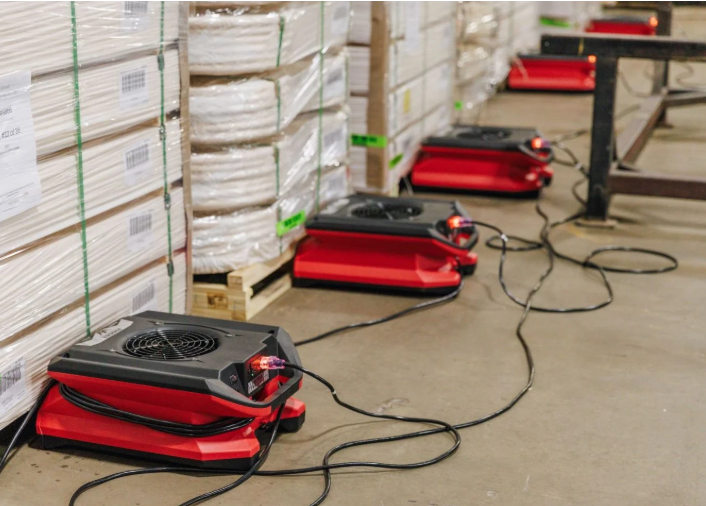
What remains must be dried aggressively. Professional-grade air movers and dehumidifiers are not the same as renting a box fan from a hardware store. The moisture levels inside wall cavities, subfloors, and ceiling joists require specific equipment to measure and address properly.
Disinfection must follow drying, not precede it. Applying disinfectant to a wet surface dilutes it and reduces its effectiveness significantly. Professional teams use EPA-registered hospital-grade disinfectants applied to dry, clean surfaces for maximum efficacy.
Deodorization is the final part of this step. The odor compounds from sewage contamination penetrate deeply into structural materials. Masking the smell with air fresheners does not eliminate the source. Thermal fogging, hydroxyl generators, or ozone treatment (used carefully in unoccupied spaces) are the standard professional approaches.
Step 5 ; Test and Verify Before Re-Occupying
Once cleanup is complete, the space should be tested before anyone moves back in.
Air quality testing for mold spores is standard after any Category 3 water event. Surface sampling can confirm that disinfection was thorough. Moisture readings should confirm that all structural materials have returned to acceptable levels, typically below 16% for wood and below 1% for concrete.
These tests are not optional extras. They are the professional standard, and they protect you legally if a dispute with your insurance company or a future property buyer arises.
Any competent biohazard cleanup team in Bradenton should provide documentation of their moisture readings and clearance testing upon project completion. If they do not offer this, ask for it. If they cannot provide it, find someone who can.
Why Bradenton Homeowners Face Unique Sewage Risks
Bradenton sits in a coastal, low-lying area of Manatee County. The region’s combination of aging infrastructure in some neighborhoods, a high water table, and frequent heavy rains during hurricane season creates persistent pressure on residential and commercial sewer lines.
When storm drains overflow during heavy rainfall events, they can push sewage back through residential lateral lines into homes. This is called a sanitary sewer overflow (SSO), and it happens more frequently than most residents know.
Additionally, properties with older cast iron pipes or clay tile sewer laterals are particularly vulnerable to root intrusion and pipe collapse, both of which can cause sewage to back up without warning.
Understanding these local risk factors is part of why working with a restoration team based in Bradenton matters. A national call center does not know that a storm last Tuesday caused SSOs on the west side of town. A local team does.
When to Call a Professional Restoration Team
You should call a professional immediately if:
- The sewage backup affected more than a small, confined area
- The water has been sitting for more than one to two hours
- You cannot identify the source of the backup
- The water has touched any electrical components
- There are signs of mold already present
- Anyone in your household has a health condition that makes exposure particularly dangerous
Sewage contamination cleanup is one of the most hazardous restoration tasks there is. The health consequences of inadequate cleanup are not always immediate. Some infections from sewage-borne pathogens develop slowly, and the connection to the original exposure is not always obvious.
How PuroClean of Bradenton Handles Sewage Cleanup
PuroClean of Bradenton responds 24 hours a day, seven days a week. When you call (941) 877-2288, you are not leaving a message for a call center. You are reaching a team that can mobilize to your location quickly.
The process begins with a thorough assessment of the contamination zone, moisture mapping of surrounding structural materials, and a detailed remediation plan. Every job follows IICRC S500 and S520 standards for water damage and mold remediation. All technicians wear appropriate PPE and follow strict containment protocols.
PuroClean of Bradenton is also proud to be a Best of Bradenton Award winner, a recognition that reflects the community’s trust in the quality of work delivered on every job.
You can also follow the team’s updates and tips on Facebook and Instagram for seasonal reminders and local restoration news.
Conclusion
Sewage contamination cleanup Bradenton is not something to delay, underestimate, or attempt without proper knowledge. The risks are biological, structural, and financial. Every hour of inaction increases the potential for deeper damage and more expensive remediation.
The good news is that with the right steps and the right team, full recovery is absolutely achievable. Homes and businesses across Bradenton have returned to normal after significant sewage events because the response was fast, thorough, and professional.
So here is the question worth sitting with: If a sewage backup happened in your home tonight, do you know exactly who to call and what to do first? If the answer is not immediately clear, bookmarking this guide and saving (941) 877-2288 in your phone right now could be the most important thing you do today.