


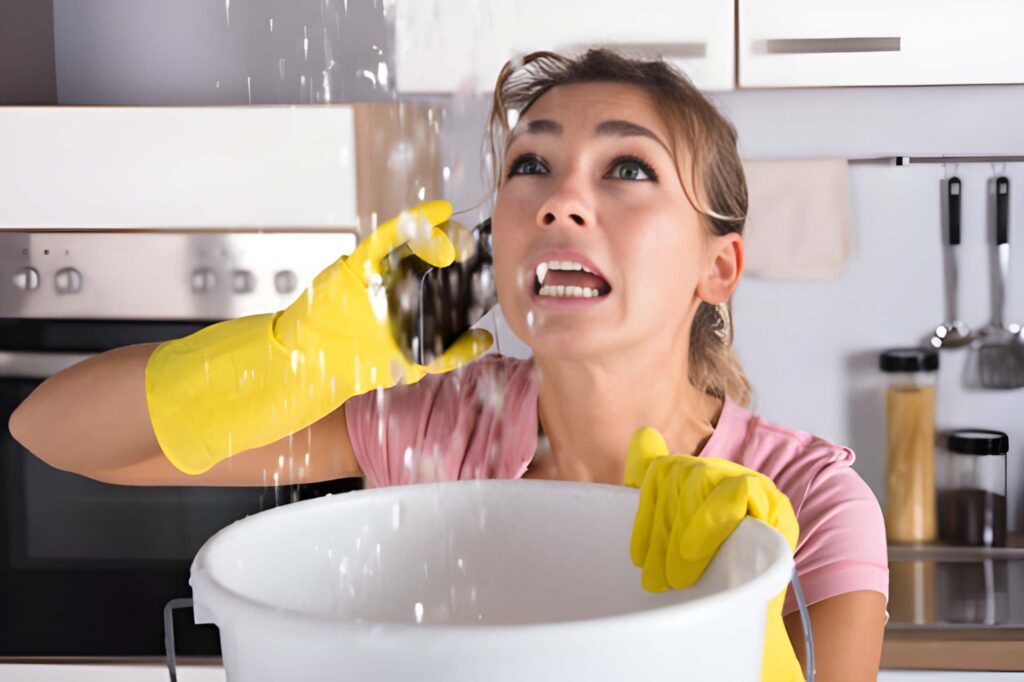
Manatee County has characteristics that make water intrusion a recurring concern for local property owners. Our county includes coastal communities, inland neighborhoods, waterways, low-lying areas, rapidly developing residential communities, commercial properties, condominiums, and properties exposed to heavy rainfall and tropical weather.
That matters because water damage in Manatee County does not come from one source.
Water can move underneath flooring, behind walls, into cabinets, beneath baseboards and into other areas you cannot see. If those materials remain wet, the damage can continue long after the standing water is gone.
For homeowners and businesses in Bradenton, Lakewood Ranch, Palmetto, Anna Maria, Holmes Beach, Bradenton Beach and throughout Manatee County, knowing what to do when water enters your property can make a significant difference.
The most important thing to remember is simple:
Water damage is a race against time.
What Causes Water Damage in Manatee County?
Water damage can happen for many different reasons, and not every water loss should be handled the same way.
Some of the most common causes include:
- Burst or leaking pipes
- Water heater failures
- Washing machine supply line failures
- Dishwasher leaks
- Refrigerator and ice-maker line leaks
- Toilet overflows
- Plumbing backups
- Sewer backups
- Roof leaks
- Storm-related water intrusion
- Flooding
- HVAC and condensate drain problems
- Sprinkler system leaks
- Appliance failures
- Accidental water releases
The source matters because it helps determine how the water should be removed, what materials may be affected and whether additional cleaning or sanitizing is necessary.
A clean water supply-line leak, for example, is very different from sewage entering a home.
Floodwater presents another set of concerns because it can contain sewage, chemicals, microorganisms and other contaminants.
That is why professional water damage in manatee county begins with understanding the loss, not simply removing the water.
Why Water Damage Can Be a Particular Concern in Manatee County
Manatee County has a combination of coastal communities, inland neighborhoods, waterways, low-lying areas and rapidly growing residential and commercial areas.
The area also experiences heavy rainfall and tropical weather, which can create additional opportunities for water intrusion and flooding.
Manatee County stormwater documents have recorded significant rainfall events, including one event with 9.67 inches of rain in 24 hours and 13.25 inches over three days.
Flood risk also extends across the county’s incorporated and unincorporated communities.
In other words, water damage in Manatee County can happen during a hurricane, or it can happen on an ordinary Tuesday afternoon.
Water Damage Is More Than Standing Water
One of the biggest misconceptions about water damage is that the problem ends when the visible water is gone.
It doesn’t.
Water can move into materials and spaces that are difficult to see.
For example:
A carpet may look dry while the padding underneath remains wet.
A wall may look normal while insulation inside the wall cavity is holding moisture.
A floor may feel dry while the subfloor underneath remains damp.
A ceiling may stop dripping while moisture remains trapped inside the ceiling assembly.
This is why professional water damage restoration involves more than extraction.
The objective is not simply to make a property look dry.
The objective is to determine where the moisture went and make sure affected materials are properly dried.
The Most Common Causes of Water Damage in Manatee County Homes
1. Plumbing Leaks and Burst Pipes
Plumbing failures are one of the most common sources of water damage.
Some are obvious.
Others are not.
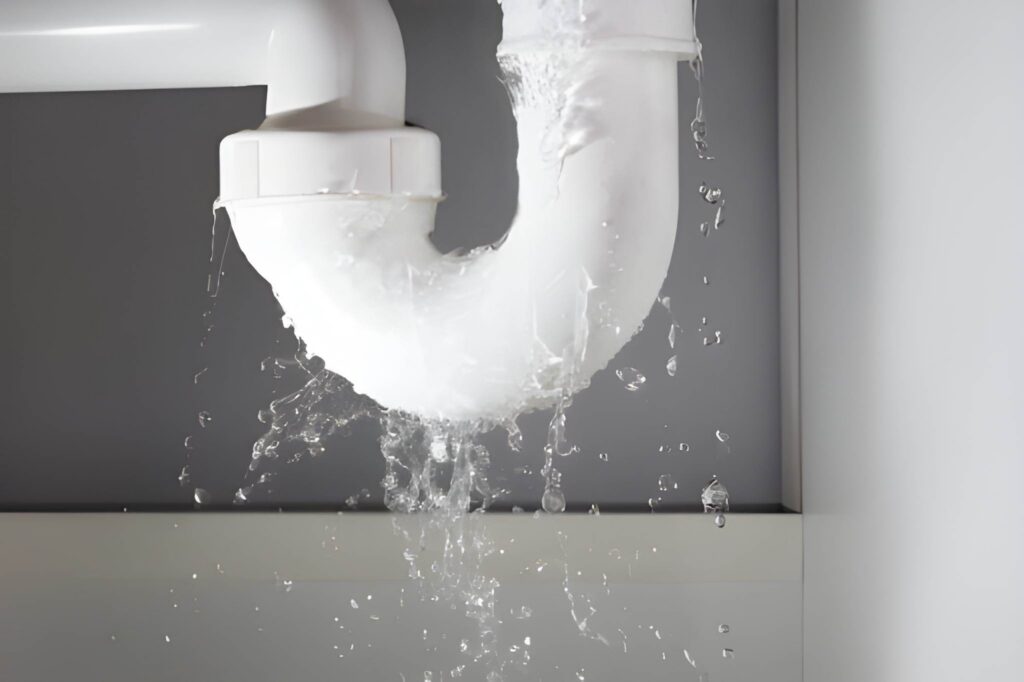
A pipe can leak inside a wall for days before a homeowner notices a stain. A small leak beneath a sink can slowly damage cabinetry and flooring. A plumbing connection can fail while a family is away from home.
Warning signs can include:
- Water stains
- Bubbling or peeling paint
- Soft drywall
- Swollen cabinets
- Warped flooring
- Musty odors
- Damp areas around plumbing fixtures
- Unexpected increases in water usage
If you discover an active plumbing leak, shut off the water source if it is safe to do so and address the problem immediately.
2. Water Heater Failures
Water heaters can release a significant amount of water when a tank, valve, connection or supply line fails.
In many homes, water heaters are located in garages, closets, laundry rooms or utility areas.
A failure can quickly affect flooring, drywall, baseboards and nearby belongings.
If you discover water around your water heater, do not assume the problem will stop on its own.
Stop the water source if possible and have the situation evaluated.
3. Washing Machine and Appliance Leaks
Washing machines, dishwashers, refrigerators and other appliances can cause significant water losses.
A failed washing machine hose can release a large amount of water very quickly.
A refrigerator or dishwasher leak may be much slower but can continue unnoticed beneath flooring or inside cabinetry.
The longer the leak continues, the greater the opportunity for secondary damage.
4. HVAC and Air-Conditioning Problems
Air conditioning is essential in Florida, which means HVAC-related moisture problems deserve attention.
A clogged condensate drain, overflowing drain pan or drainage problem can introduce moisture into areas that should remain dry.
These problems can sometimes develop gradually.
A musty smell, ceiling stain or unexplained moisture near an air-conditioning system should not be ignored.
5. Roof Leaks
Heavy rain can expose weaknesses in roofing systems, flashing, seals, windows and other exterior components.
A ceiling stain may appear far from the actual point where water entered.
Water can travel through building materials before becoming visible inside the home.
After significant rainfall, look for:
- Ceiling stains
- Damp drywall
- Peeling paint
- Musty odors
- Wet insulation
- Water around windows and doors
- Moisture in attic areas
If a roof leak has allowed water into the structure, stopping the exterior leak is only the first step. The affected interior materials may still need to be dried.
6. Storm and Flood Damage
Storms can create several different types of water intrusion that can cause water damage in manatee county.
Heavy rainfall may overwhelm drainage systems.
Wind-driven rain can enter through damaged roofs, windows and doors.
Floodwater can enter from outside.
Storms can also contribute to sewer backups and other plumbing-related problems.
The type and source of the water matter because contaminated floodwater should not be handled the same way as a clean plumbing leak.
What Should You Do Immediately After Water Damage?
If water enters your home or business, don’t panic.
Focus on the next right step.
1. Stop the Source
If the water is coming from a plumbing fixture, appliance or pipe and you can safely shut it off, do so.
If the water is coming from a roof or storm, do not put yourself in danger trying to locate or repair the source.
2. Protect People and Pets
Safety comes first.
Do not enter standing water if there is a possibility that it has contacted electrical outlets, wiring, appliances or other electrical equipment.
Do not assume floodwater is clean.
Floodwater and sewage can contain contaminants that create additional health and safety concerns.
3. Document the Damage
Take photographs and videos before cleanup whenever it is safe to do so.
Document:
- The source of the water
- Standing water
- Damaged flooring
- Walls and ceilings
- Cabinets
- Furniture
- Appliances
- Personal belongings
- Visible staining
- Any other affected areas
Good documentation can be valuable when communicating with your insurance company.
4. Remove Standing Water When Appropriate
If the water is clean and the area is safe, removing standing water quickly can help limit additional damage.
However, contaminated water should be handled differently.
If the water came from sewage, flooding or another potentially contaminated source, avoid treating it like a normal plumbing leak.
5. Start the Drying Process
Once the area is safe, begin addressing moisture as quickly as possible.
The EPA recommends drying wet or damp materials within 24 to 48 hours when possible to help prevent mold growth.
That window matters.
Why the First 24 to 48 Hours Matter
When water enters a building, time matters.
The longer materials remain wet, the greater the opportunity for secondary damage and microbial growth.
The EPA identifies moisture control as the key to mold control and recommends drying wet or damp areas and materials within 24 to 48 hours when possible.
That does not mean mold automatically appears after 48 hours or that a property is guaranteed to remain mold-free if it dries sooner.
Every situation is different.
Temperature, humidity, material type, the amount of water and how long materials were wet all influence what happens.
The important point is that waiting is rarely the best strategy.
Why a Property Can Look Dry but Still Have Water Damage
This is where professional water damage restoration can make a major difference.
Visible water tells only part of the story.
Moisture can remain:
- Behind drywall
- Under flooring
- Inside cabinets
- Beneath carpet padding
- Inside insulation
- Around plumbing penetrations
- Inside ceilings
- In wall cavities
- In other concealed areas
A fan blowing across a room does not tell you whether those materials are dry.
Professional restoration technicians use moisture detection equipment to identify affected areas and monitor the drying process.
The goal is not simply to remove visible water.
The goal is to remove the moisture that should not be there.
How Professional Water Damage Restoration Works
Every water loss is different, but professional water damage restoration generally involves several important steps.
Inspection and Assessment
The first step is determining what happened.
A restoration team should evaluate:
- The source of the water
- The affected areas
- The materials involved
- How far the water has migrated
- Whether hidden moisture is present
- Whether contamination is a concern
- What drying strategy is appropriate
Water Extraction
Standing water is removed using professional extraction equipment.
Removing water quickly reduces the amount of moisture that must later be removed from building materials.
Structural Drying
Once standing water is removed, the drying process begins.
Air movers help increase evaporation.
Dehumidifiers remove moisture from the air.
Together, these tools help accelerate the drying process.
But equipment alone is not enough.
It needs to be used strategically and monitored.
Moisture Monitoring
Professional drying should be based on moisture readings rather than simply leaving equipment in place for an arbitrary number of days.
Technicians can monitor affected materials and determine whether moisture levels are moving toward appropriate drying goals.
Cleaning and Sanitizing
Depending on the source of the water, cleaning and sanitization may also be necessary.
This is particularly important when contaminated water, sewage or floodwater is involved.
Documentation
A professional restoration project should also be documented.
Documentation may include photographs, moisture readings, equipment information and records of the work performed.
This information can help property owners understand the restoration process and may also be useful when working with an insurance carrier.
What Is the Difference Between Clean Water and Contaminated Water?
Not all water damage is equal.
The source matters.
A broken clean-water supply line is different from a toilet overflow.
A toilet overflow can be different from a sewage backup.
Floodwater is different again.
Water that has come into contact with sewage or other contaminants may present additional health and safety concerns.
That is why homeowners should not assume that every water loss can be cleaned up with household fans, towels and a shop vacuum.
The appropriate response depends on the type and extent of the loss.
Can Water Damage in Manatee Cause Mold?
Yes.
Mold needs moisture to grow.
The EPA explains that controlling moisture is the key to controlling indoor mold and recommends drying water-damaged materials within 24 to 48 hours when possible.
Mold can grow on many materials when moisture is present, including:
- Drywall
- Wood
- Carpet
- Insulation
- Ceiling materials
- Upholstery
- Paper products
- Cardboard
This is one reason fast water damage response is so important.
A water loss that is addressed quickly may be much easier to manage than one that remains wet for days.
What If My Home Smells Musty After Water Damage?
A persistent musty odor should not simply be covered with air freshener.
If a property still smells musty after a water loss, there may be lingering moisture or microbial growth somewhere in the building.
Possible locations include:
- Behind walls
- Under flooring
- Inside cabinets
- Around HVAC equipment
- In insulation
- In ceilings
- In crawl spaces
- Around plumbing penetrations
The goal should be to identify and correct the underlying moisture problem rather than simply masking the odor.
The EPA emphasizes that if a mold problem exists, the moisture problem must also be addressed. Otherwise, the problem can return.
Does Homeowners Insurance Cover Water Damage in Manatee County?
This is one of the first questions many homeowners ask after a water loss.
The answer depends on the cause of the damage and the specific insurance policy.
Some sudden and accidental water losses may be covered.
Flood damage is generally treated differently.
Standard homeowners insurance generally does not cover flooding, while flood insurance provides coverage specifically designed for flood losses.
Water backup coverage may also be available through an endorsement depending on the policy.
The important thing to remember is:
Do not assume your water damage in Manatee is covered. Do not assume it is excluded either.
Review your policy and contact your insurance carrier or agent for questions about coverage.
A restoration company can document the physical damage and the mitigation work, but the insurance carrier determines coverage under the policy.
Can a Home Outside a High-Risk Flood Zone Still Flood?
Yes.
Being outside a designated high-risk flood zone does not mean a property can never experience flooding.
Flooding can occur because of intense rainfall, drainage issues, storm events, rising water and other circumstances.
Florida’s Office of Insurance Consumer Advocate notes that flooding can happen anywhere in Florida and that approximately 25 percent of flood claims occur in low-risk areas.
In other words, flood risk is not something only coastal homeowners need to think about.
Water Damage After a Storm in Manatee County
After a major storm or heavy rainfall event, homeowners should look beyond obvious standing water.
Storm-related water damage in Manatee may include:
- Roof leaks
- Wind-driven rain
- Water entering through doors and windows
- Standing water
- Flooding
- Drainage-related intrusion
- Sewer backups
- Wet flooring
- Saturated drywall
- Moisture inside walls
- Mold concerns
Safety should come first.
Do not enter areas with potential electrical hazards.
Do not operate electrical equipment in standing water.
Do not assume floodwater is clean.
And do not begin aggressive drying of potentially contaminated water without first determining whether the water is safe to handle.
Water Damage in Manatee County Condos and Multi-Unit Buildings
Water damage can become especially complicated in condominiums and multi-unit buildings.
A leak in one unit can affect another unit below it.
Water can travel through shared walls, ceilings, flooring and other building assemblies.
A visible stain in one room does not necessarily mean the source is located in that room.
For property managers, condominium associations and building owners, responding quickly can help limit the spread of damage and reduce disruption to residents and occupants.
A professional response may involve identifying affected areas, extracting water, drying structural materials, documenting the loss and coordinating access to affected spaces.
Water Damage in Manatee County Businesses
For a business, water damage is more than a building problem.
It can become a business interruption problem.
A commercial water loss can affect:
- Offices
- Restaurants
- Retail stores
- Medical facilities
- Banks
- Warehouses
- Apartment communities
- Senior living facilities
- Professional offices
- Condominium buildings
Water can damage equipment, inventory, furniture and building materials while also disrupting employees and customers.
For commercial properties, the goal should be to contain the damage, protect unaffected areas, remove water, dry the structure and move the property toward normal operations as efficiently as possible.
When Should You Call a Water Damage Restoration Professional?
Not every spilled glass of water requires professional restoration.
But professional help is appropriate when water has:
- Spread across multiple rooms
- Entered walls or flooring
- Affected drywall or ceilings
- Saturated carpet or padding
- Reached insulation
- Come from a sewage backup
- Come from floodwater
- Remained standing for an extended period
- Reached electrical systems
- Created a persistent musty odor
- Caused visible mold growth
- Come from an unknown source
- Affected a commercial property
- Occurred while the property was unoccupied
When you are unsure how extensive the damage is, having the property assessed can be a smart first step.
The sooner the moisture is identified and addressed, the more opportunity there is to limit secondary damage.
How to Choose a Water Damage Restoration Company in Manatee County
When you’re dealing with water damage, the first company you find online is not necessarily the right company for your property.
Ask a few important questions.
Are they available when you need them?
Water damage does not happen only during business hours.
Emergency response matters when water is actively affecting your property.
Are their technicians trained?
Look for a company whose technicians have appropriate industry training and certifications.
Do they use professional moisture detection equipment?
Visual inspection alone cannot identify every wet material.
Do they monitor the drying process?
Putting air movers and dehumidifiers in a room is only part of the job.
A professional drying process should include monitoring.
Do they understand contaminated water?
Sewage and floodwater require a different approach from a clean-water plumbing leak.
Do they document their work?
Good documentation can help you understand the scope of the loss and can provide useful records for your insurance claim.
Do they understand Manatee County?
Local experience matters.
A company serving Manatee County should understand the area’s homes, condos, businesses, weather patterns and the types of water losses local property owners experience.
Why DIY Water Damage Cleanup Can Backfire
There are situations where a homeowner can safely clean up a small amount of clean water.
Larger losses are different.
One of the most common mistakes is assuming:
“If I can’t see the water, it’s dry.”
That is not necessarily true.
Moisture can remain inside building materials long after the surface appears dry.
Another common mistake is relying on fans alone.
Fans move air.
They do not necessarily remove moisture from the building.
Professional drying typically combines air movement with dehumidification and moisture monitoring.
And when water is contaminated, attempting cleanup without the appropriate precautions can create additional risks.
7 Signs You May Still Have Hidden Water Damage in Manatee
Even after cleanup, watch for signs that moisture may still be present.
1. Musty Odors
A persistent musty smell can indicate lingering moisture or microbial growth.
2. Warped Flooring
Buckling, cupping, swelling or soft flooring can indicate moisture below the visible surface.
3. Bubbling Paint
Paint or drywall that bubbles or changes texture can indicate moisture behind the surface.
4. Discoloration
Brown, yellow, gray or unusual staining can be a sign of previous or ongoing water intrusion.
5. Unexplained Humidity
If one room continues to feel unusually humid after cleanup, investigate the reason.
6. Recurring Stains
If a ceiling or wall stain returns after cleanup, the underlying source may not have been corrected.
7. Mold Growth
Visible mold should be addressed along with the moisture problem that allowed it to develop.
How Long Does Water Damage Restoration Take?
There is no universal timeline.
A small, isolated clean-water loss may dry relatively quickly.
A larger loss involving multiple rooms, walls, flooring, insulation or contaminated water can take considerably longer.
The timeline depends on:
- How much water entered the property
- The source of the water
- How long materials were wet
- Which materials were affected
- Temperature
- Humidity
- Air movement
- Building construction
- Accessibility
- Whether contamination is involved
- Whether materials can be dried or need removal
The important point is that drying should be based on the actual moisture conditions of the property, not simply an arbitrary number of days.
How Much Does Water Damage Restoration Cost in Manatee County?
There is no responsible one-size-fits-all price for water damage restoration.
Every loss is different.
The cost can depend on:
- The size of the affected area
- The amount of water
- The source of the water
- The materials affected
- The amount of extraction required
- The amount of drying equipment needed
- How long drying takes
- Cleaning and sanitization requirements
- Material removal
- Contents handling
- Secondary damage
A small appliance leak affecting one area of flooring is very different from a whole-house water loss involving multiple rooms and saturated building materials.
If you are dealing with water damage, an assessment of the actual property is far more useful than an online estimate that cannot see what is happening inside your home.
Water Damage Restoration vs. Water Damage Repair
Water damage restoration and water damage repair are not necessarily the same thing.
Restoration and mitigation focus on responding to the water event, removing water, drying affected areas, cleaning as appropriate and limiting additional damage.
Repair or reconstruction involves rebuilding or repairing components that cannot be restored through mitigation.
At PuroClean of Bradenton, our focus is property damage mitigation and restoration.
That includes water extraction, structural drying, dehumidification, moisture detection, monitoring and related cleanup.
When reconstruction is needed, we can help property owners understand the next steps and coordinate with the professionals responsible for repairs.
What to Do When Water Damage Happens: STOP. DOCUMENT. REMOVE. DRY. MONITOR.
If water enters your home or business, remember five simple steps.
STOP
Stop the source if it is safe.
DOCUMENT
Take photographs and videos of the damage.
REMOVE
Remove standing water when it is safe and appropriate.
DRY
Begin drying affected materials as quickly as possible.
MONITOR
Make sure affected materials are actually drying, including areas you cannot see.
If the water is contaminated, involves electrical hazards, has spread into walls or flooring, or is beyond what you can safely handle, contact a professional.
Local Water Damage Restoration in Manatee County
When water damage happens, you need more than someone to put equipment in a room and leave.
You need a team that understands what happens during the first hours can affect what happens later.
At PuroClean of Bradenton, we provide professional water damage restoration and mitigation for homes and businesses throughout Manatee County.
We respond to water losses involving:
- Burst and leaking pipes
- Water heater failures
- Appliance leaks
- Toilet and plumbing overflows
- Storm-related water damage
- Flood cleanup
- Sewage and contaminated water losses
- Commercial water damage
- Condo and multi-unit water losses
- Hidden moisture and secondary water damage
Our approach includes water extraction, structural drying, dehumidification, moisture detection and monitoring, along with appropriate cleaning and remediation.
We know that when water enters your property, the damage is only part of the problem.
There is the disruption.
The uncertainty.
The questions about insurance.
The concern about mold.
And the question every property owner has:
“What do I do now?”
That’s where we come in.
Water Damage in Manatee County? Don’t Wait.
Water damage rarely gets better by waiting.
The longer wet materials remain wet, the greater the opportunity for additional damage and mold growth.
The EPA recommends drying wet or damp materials within 24 to 48 hours when possible to help prevent mold growth.
If your home or business has experienced water damage in Manatee County, Bradenton, Lakewood Ranch, Palmetto, Anna Maria, Holmes Beach, Bradenton Beach or a surrounding community, contact PuroClean of Bradenton for professional water damage restoration and mitigation.
When water damage happens, every hour matters.
Frequently Asked Questions About Water Damage in Manatee County
What is the first thing I should do after water damage?
Make sure the property is safe first. Stop the water source if possible and safe, avoid electrical hazards, document the damage and begin appropriate water removal and drying as soon as possible.
How quickly should water damage be dried?
The EPA recommends drying wet or damp materials within 24 to 48 hours when possible to help prevent mold growth.
Can water damage cause mold?
Yes. Mold needs moisture to grow. Water-damaged materials that remain wet or damp can create conditions favorable to mold growth.
Does homeowners insurance cover water damage?
It depends on the cause of the damage and the specific policy. Some sudden and accidental water losses may be covered, while flooding is generally excluded from standard homeowners policies.
Does homeowners insurance cover flooding?
Generally, standard homeowners insurance does not cover flood damage. Flood insurance is typically separate.
Can a home outside a high-risk flood zone still flood?
Yes. Properties outside designated high-risk flood areas can still experience flooding from heavy rainfall, drainage problems and other events.
How do I know if water is trapped inside my walls?
Staining, swelling, musty odors, elevated humidity and changes to drywall or flooring can be warning signs. Professional moisture detection equipment can help identify moisture that is not visible.
Should I use fans after water damage?
Fans can be part of a professional drying strategy, but they should not be used blindly, particularly when the water may be contaminated. The source and type of water should be evaluated first.
Is floodwater safe to clean up myself?
Floodwater can contain sewage, chemicals, microorganisms and other contaminants. If the water is contaminated or cleanup presents safety risks, professional assistance may be appropriate.
How long does water damage restoration take?
It depends on the size and severity of the loss, the materials affected, the source of the water, environmental conditions and whether contamination or hidden moisture is involved.
Who handles water damage in Manatee County?
PuroClean of Bradenton provides professional water damage restoration and mitigation services for residential and commercial properties throughout Manatee County and surrounding communities.
Final Takeaway
Water damage in Manatee County is not simply about getting rid of standing water.
It is about finding where the water went, removing it safely, drying affected materials thoroughly, identifying hidden moisture, addressing contamination when necessary and preventing a manageable water loss from becoming a much larger problem.
In Florida’s warm and humid environment, acting quickly matters.
If water has entered your home or business, don’t wait for the walls to swell, the flooring to warp or the musty smell to appear.
Get the moisture under control as quickly as possible.
When you need help with water damage in Manatee County, PuroClean of Bradenton is here to help.
If your Manatee home or business has experienced water damage, time matters.
PuroClean of Bradenton is IICRC certified, available 24/7, and experienced with the specific challenges of historic and waterfront properties
Call (941) 877-2288 for an immediate response on water damage restoration in siesta key