


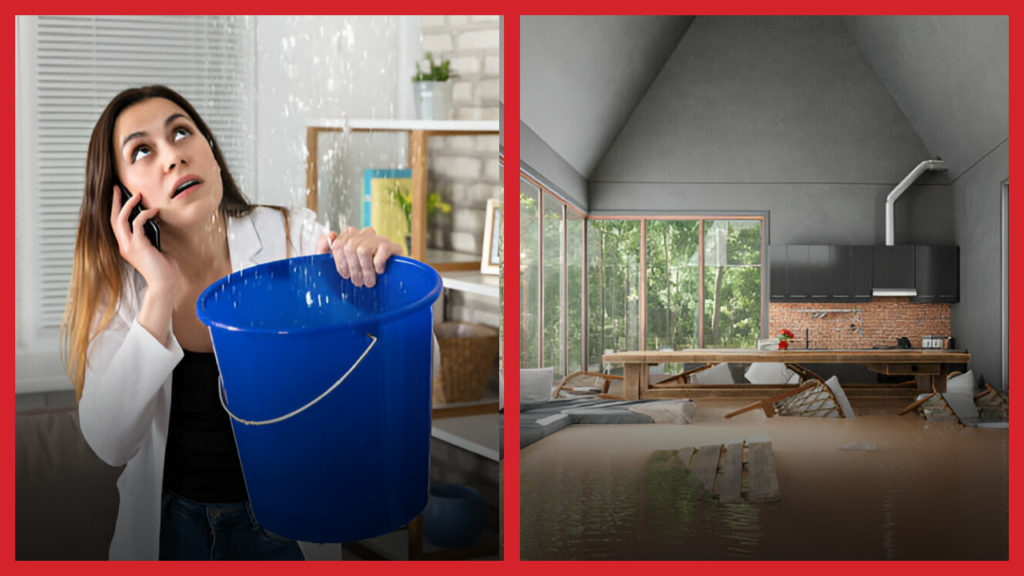
Water damage can strike when you least expect it—sometimes in the form of a sudden flood, other times as a slow, unnoticed leak. But not all water damage is created equal. In fact, understanding what type of water damage you’re dealing with is critical to making the right decisions for cleanup, restoration, and long-term prevention.
Whether you’re a homeowner, a property manager, or a business owner, knowing the difference between and implication of your type of water damage isn’t just technical — it directly affects your safety, cost of repairs, and insurance coverage.
In this guide, we’ll break down the most common types of water damage, how to identify them, and why knowing the difference can make or break your restoration strategy.
Table of Contents
Understanding the 3 Main Categories of Water Damage
Water damage is generally classified into three types, based on the source of the water and the potential health risks it poses:
Category 1: Clean Water Damage (Safe but Still Destructive)
- Sources: Broken supply lines, sink overflows, appliance malfunctions (washing machine, dishwasher).
- Risks: Generally safe if addressed quickly, but can degrade into Category 2 or 3 if not dried within 24-48 hours.
- Common Scenario: A burst pipe under your kitchen sink soaks the floor.
Category 2: Grey Water Damage (Some Contamination)
- Sources: Overflow from washing machines, bathtubs, or dishwashers; minor toilet overflow (no feces).
- Risks: May contain chemicals, soap residue, or bacteria. Can cause illness with direct contact or inhalation.
- Common Scenario: Water from a washing machine leak floods into your laundry room.
Category 3: Black Water Damage (Severely Contaminated)
- Sources: Sewage backups, storm surge, rising floodwaters from rivers or oceans.
- Risks: High risk of infection and disease. Requires full protective gear and professional remediation.
- Common Scenario: Your home is flooded after a hurricane, and the water contains debris, bacteria, and waste.
Did You Know? Even clean water can become hazardous within 48 hours if it seeps into porous materials like drywall, carpet, or wood. Mold and bacterial growth can escalate quickly.
Flooded vs. Leaking: Why the Type of Intrusion Matters
While the category of water damage refers to the quality and safety of the water, the type of intrusion—flooding versus leaking—refers to how and where the water entered the property.
✅ Flooding: Sudden and Overwhelming
- What It Looks Like: Standing water across floors, pooling in basements, or rushing into lower levels.
- Typical Causes:
- Storm surge or flash floods
- Burst pipes
- Roof failure during a storm
- Broken water main outside the home
- Type of Water Damage Involved: Usually Category 2 or 3.
- Why It Matters: Flood damage often affects multiple areas and layers of a property—flooring, insulation, HVAC systems—and may require structural drying and sanitation.
🛠️ Leaks: Slow and Stealthy
- What It Looks Like: Water stains on walls or ceilings, damp smells, warped baseboards, or unexplained moisture.
- Typical Causes:
- Faulty plumbing joints
- Cracked roof tiles
- Air conditioner condensation lines
- Leaky appliances
- Type of Water Damage Involved: Often starts as Category 1, but can turn into Category 2 or 3 if ignored.
- Why It Matters: Leaks can go unnoticed for weeks or months. By the time signs appear, mold and rot may already be hidden behind walls or under floors.
Key Differences That Affect Your Restoration Plan
| Factor | Flooding | Leaking |
|---|---|---|
| Speed of Intrusion | Rapid & obvious | Slow & hidden |
| Water Damage Category | Often 2 or 3 | Usually 1 (initially) |
| Health Risk | High | Grows over time |
| Insurance Coverage | Often excluded if external flooding | Usually covered if sudden/accidental |
| Required Response | Emergency cleanup & sanitization | Targeted drying, mold prevention |
Why Knowing the Type of Water Damage Is Critical
- Insurance Coverage Depends on It
Most homeowner policies exclude flood damage from external sources unless you have separate flood insurance. But a sudden leak from a pipe? That’s often covered. - Restoration Scope Changes
A Category 1 leak may only require drying and dehumidification. But a Category 3 flood? That calls for biohazard protocols, demolition of unsalvageable materials, and full-scale reconstruction. - Health Risks Are Not Equal
Black water can harbor sewage, bacteria, or even chemical runoff. Quick identification protects your family, tenants, or employees. - Mold Grows Faster Than You Think
Even a small leak can lead to a mold infestation within 24-72 hours. That’s why you can’t afford to wait and see.
What to Do If You Suspect Water Damage
- Stop the Source (if safe)
Shut off the water supply or fix the leak. - Avoid Contact
Especially with floodwater—don’t wade in or try to clean it yourself. - Document the Damage
Take photos and videos for your insurance claim. - Call a Professional Water Damage Restoration Company Immediately
Companies like PuroClean of Bradenton are trained to assess the type of water damage, categorize the risk, and create a clear action plan for cleanup, drying, and odor removal. Call 941-877-2288 today.
Why Choose PuroClean of Bradenton?
- IICRC-Certified Technicians
- 24/7 Emergency Response
- Advanced Drying & Odor Neutralization Equipment
- Expertise in Category 1, 2, and 3 Damage
- Over 60 5-Star Reviews from Southwest Florida Customers
- Trusted by Homeowners, Property Managers & Business Owners
Final Thoughts
Understanding the type of water damage you’re facing is the first step in protecting your property, your health, and your wallet. Whether you’re dealing with a sudden flood or a slow leak, the faster you act, the better your outcome will be.
Don’t wait for musty smells, visible stains, or warped floors to tell you something’s wrong. Know the signs. Understand the risks. And partner with professionals who do it right the first time.
Need expert help?
📞 Call PuroClean of Bradenton anytime on 941-877-2288 today — we’re the paramedics of property damage, here when every minute counts.
Here’s what to do if you have long-term standing water on your property or commercial water damage restoration.