 PuroClean of Bradenton
Water damage in assisted living facilities is one of the most frequent and operationally disruptive incidents. Unlike other property types, even a seemingly minor water issue in a senior living environment can escalate quickly, affecting resident safety, regulatory compliance, family confidence, and daily operations.
Assisted living facilities operate continuously. Residents depend on safe, accessible living spaces, consistent climate control, clean water, and uninterrupted care. When water damage occurs, the impact goes far beyond wet flooring or stained ceilings. Delayed response or overlooked moisture can lead to mold growth, indoor air quality concerns, resident relocations, inspection findings, and long-term reputational risk.
At PuroClean, we work with assisted living facilities faced with water damage specifically because these environments require a different level of awareness, speed, and care. Understanding why water damage happens in senior living buildings is the first step toward preventing disruption and responding in a way that protects residents and leadership alike.
In this guide, we’ll cover:
Why Assisted Living Buildings Are More Vulnerable to Water Damage
Water damage in assisted living facilities occurs more frequently than many other commercial properties due to a combination of structural, operational, and human factors.
Common vulnerabilities include:
- High plumbing density with bathrooms, kitchens, and laundry areas throughout the building
- Aging infrastructure in many long-standing facilities
- Continuous occupancy that limits downtime for repairs
- Resident behaviors that unintentionally increase risk
- Complex HVAC systems critical to resident health and comfort
- Regulatory oversight where moisture and mold become compliance issues
Because these buildings are never truly “offline,” small issues can escalate quickly if not identified and addressed with urgency and expertise.
Common Causes of Water Damage in Assisted Living Facilities
1. Plumbing Failures and Aging Pipes
Why it’s common
Plumbing-related failures are the most frequent cause of water damage in assisted living facilities. Many buildings operate with pipes that have surpassed their intended service life, especially in older wings or legacy buildings.
Common plumbing failures include:
- Corroded supply lines
- Deteriorated joints and fittings
- Failing shutoff valves
- Hairline cracks in pipes hidden behind walls or ceilings
With water systems in constant use, even small weaknesses can turn into active leaks.
Why it’s high-risk in assisted living
Leaks often begin out of sight, spreading through wall cavities, insulation, and ceilings before visible signs appear. By the time stains or odors are noticed, moisture may already be affecting multiple resident units.
From our experience at PuroClean, early plumbing leaks are one of the most preventable causes of major losses — if facilities have the right response partner involved early.
2. Toilet Overflows and Bathroom-Related Incidents
Why it’s common
Bathrooms exist in nearly every resident room and common area. Overflows can occur due to:
- Excessive toilet paper use
- Improper disposal of personal items
- Mobility challenges
- Cognitive impairments
These incidents happen even in newer buildings with modern plumbing.
Why it’s high-risk in assisted living
Bathroom overflows can involve contaminated water, requiring specialized cleanup and disinfection. Beyond material damage, these incidents raise sanitation concerns and potential exposure risks if not handled properly.
We regularly assist facilities where quick action prevented resident displacement simply by addressing the overflow correctly and immediately.
3. HVAC System Condensation and Drain Line Failures
Why it’s common
Assisted living facilities rely heavily on HVAC systems to maintain consistent temperature and humidity levels. In warm, humid regions, HVAC systems produce significant condensation.
Problems often stem from:
- Clogged condensate drain lines
- Improper system slope
- Cracked drain pans
- Inconsistent maintenance schedules
Why it’s high-risk in assisted living
HVAC-related water damage is often slow and hidden. Moisture can drip into ceiling cavities for weeks before staining appears. By the time it’s visible, mold growth may already be present.
At PuroClean, we often uncover HVAC-related moisture issues during proactive inspections or early response calls, preventing long-term air quality concerns that disproportionately affect elderly residents.
4. Appliance Failures in Kitchens and Laundry Areas
Why it’s common
Assisted living facilities rely on high-use appliances such as:
- Commercial dishwashers
- Ice machines
- Washing machines and dryers
- Water heaters
Supply hoses, valves, and drain connections wear out over time, particularly under frequent use.
Why it’s high-risk in assisted living
A single failed supply line can release hundreds of gallons of water in minutes, especially after hours. Kitchens and laundry rooms are often near resident spaces, allowing water to spread rapidly across floors and into adjoining units.
Water heater failures are especially damaging due to the volume and temperature of the water released.
5. Roof Leaks and Building Envelope Failures
Why it’s common
Over time, roofing systems degrade. Seals fail, flashing loosens, and membranes deteriorate. Even small breaches can allow water intrusion during heavy rain.
Other envelope issues include:
- Cracked exterior walls
- Failed window seals
- Deteriorated caulking
- Poor site drainage
Why it’s high-risk in assisted living
Roof leaks are often intermittent, appearing only during certain weather conditions. This makes them easy to dismiss or delay, allowing repeated moisture intrusion that damages ceilings, insulation, and electrical systems.
Facilities often call PuroClean of Bradenton after repeated “mystery stains” finally reveal a deeper moisture issue that needs professional drying and documentation.
6. Fire Sprinkler System Discharges or Failures
Why it’s common
Fire suppression systems are essential in assisted living facilities and require ongoing inspection. Water damage in assisted living facilities can occur due to:
- Accidental sprinkler activation
- Mechanical failure
- Corrosion within sprinkler piping
- Freezing in unconditioned spaces
Why it’s high-risk in assisted living
Sprinkler discharges release large volumes of water rapidly, often affecting multiple rooms or floors at once. Restoration must be coordinated carefully to maintain fire protection while addressing the damage.
This is where experienced restoration providers such as PuroClean of Bradenton matter most.
7. After-Hours and Weekend Water Losses
Why it’s common
Most significant water damage in assisted living facilities begin at night, on weekends, or during holidays when staffing levels are lower. A slow leak can run for hours before discovery.
Why it’s high-risk in assisted living
Extended exposure allows water to penetrate deeper into building materials, increasing drying time and the risk of secondary damage.
Facilities that have PuroClean on call benefit from rapid response protocols designed specifically for occupied senior living environments.
8. Resident Room Modifications and Personal Equipment
Why it’s common
Residents often bring personal items that interact with water, such as:
- Humidifiers
- Mini refrigerators
- Personal washing devices
- Bidet attachments
These are not always installed or maintained correctly.
Why it’s high-risk in assisted living
Unauthorized equipment can fail without warning, and leaks may be misidentified as housekeeping issues instead of being clearly marked as water damage in assisted living facilities, thereby delaying appropriate response.
Professional moisture assessment helps determine the true source and extent of damage.
9. Deferred Maintenance and Budget Constraints
Why it’s common
Facilities must balance staffing, care costs, and capital improvements. Preventive maintenance is sometimes delayed when systems appear functional.
Why it’s high-risk in assisted living
Most major water losses begin as small, manageable issues:
- Slow leaks
- Temporary repairs
- Early warning signs
Deferred maintenance increases the likelihood that failures will be widespread and disruptive.
10. Weather Events and Environmental Factors
Why it’s common
Heavy rain, storms, and humidity place additional stress on building systems. Clogged gutters, overwhelmed drainage, and poor grading can allow water intrusion.
Why it’s high-risk in assisted living
Weather-related water damage often affects entrances, corridors, and common areas simultaneously, disrupting resident mobility and daily routines.
How Water Damage in Assisted Living Settings Escalates
Water damage in assisted living facilities escalates faster because of:
- Continuous occupancy
- Limited relocation options
- Heightened sensitivity to odors and air quality
- Family scrutiny
- Regulatory oversight
What begins as a leak can quickly become a multi-department crisis involving administration, maintenance, nursing staff, and outside professionals.
This is why facilities that work with PuroClean don’t just call us to “dry things out.” They rely on us to help stabilize operations.
The Value of Early Detection and the Right Restoration Partner
Early detection dramatically reduces damage, cost, and disruption. Warning signs include:
- Musty or unexplained odors
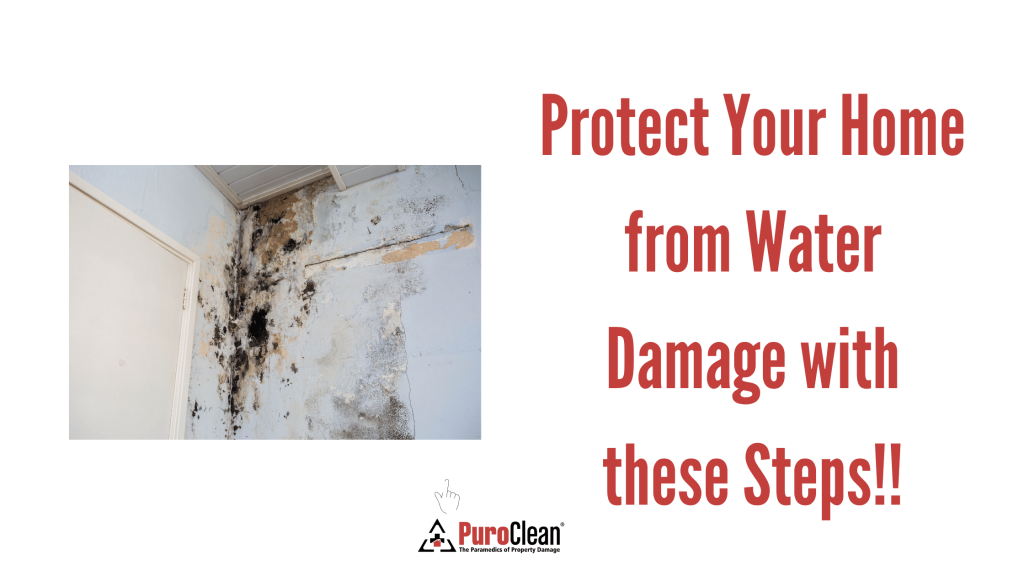
- Ceiling stains or bubbling paint
- Persistent humidity issues
- Warped flooring or baseboards
- Recurring leaks in the same area
When water damage occurs, assisted living facilities benefit from working with restoration professionals who understand:
- Occupied environments
- Infection control considerations
- Documentation needs for inspections and insurance
- Discreet, low-disruption drying strategies
- Clear communication with leadership
This is the approach PuroClean brings to every senior living project.
Final Thoughts: Water Damage Is a Leadership Issue
In assisted living, water damage is not just a maintenance concern. It is a leadership issue tied directly to resident safety, regulatory readiness, operational continuity, and trust.
Facilities that understand the common causes of water damage — and have a plan to address them quickly — are better positioned to protect residents and avoid preventable crises.
Call to Action: Be Ready Before the Next Incident
If your assisted living facility experiences a leak, overflow, or moisture concern, time matters. The right response in the first hours can prevent resident displacement, inspection issues, and long-term damage.
PuroClean specializes in water damage response for assisted living and senior living facilities. We understand occupied buildings, regulatory pressures, and the importance of keeping residents safe and comfortable while work is performed.
Whether you’re dealing with an active water loss or want a trusted partner ready before the next incident:
Contact PuroClean today to discuss your assisted living facility’s water damage response plan on 941-877-2288 or visit our contact page today.
 PuroClean of Bradenton