 PuroClean North Metro Atlanta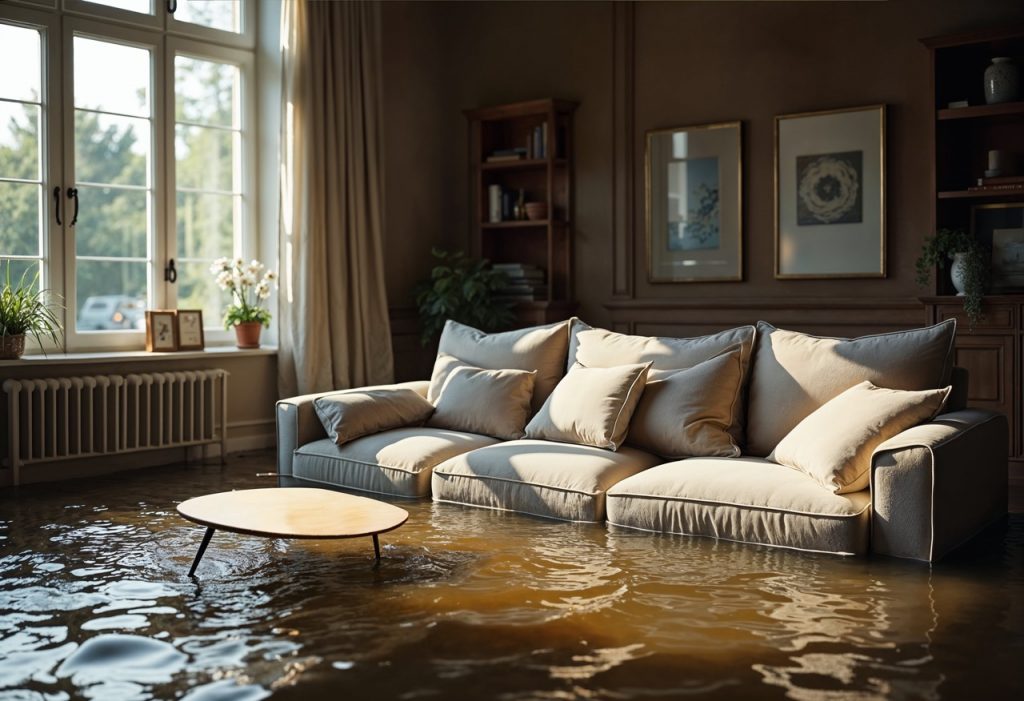
When water invades your North Metro Atlanta home—whether from a burst pipe in Woodstock, a flooded basement in Canton, or storm damage in Alpharetta—the clock starts immediately. Within 24 to 48 hours, standing water can warp hardwood floors, saturate drywall, and create conditions where mold begins to colonize hidden spaces behind walls and under flooring.
This guide covers everything North Metro Atlanta homeowners need to know about professional water damage restoration: what the process involves, how to choose a qualified restoration company, what factors affect timelines and costs, and the specific challenges homes in Cherokee, Forsyth, Fulton, and Gwinnett counties face due to our region’s climate and construction styles.
What Is Water Damage Restoration and Why Does It Matter?
Water damage restoration is the comprehensive process of returning a water-damaged property to its pre-loss condition. It goes far beyond simply removing visible water—professional restoration addresses moisture that has migrated into building materials, prevents secondary damage like mold growth, and repairs or replaces compromised structural elements.
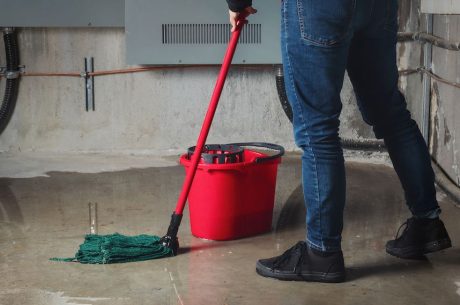
Many homeowners initially search for water damage cleanup services, expecting a quick fix. However, cleanup alone—mopping floors, running fans, pulling up wet carpet—rarely addresses the full scope of water intrusion. Water travels along the path of least resistance, wicking into subfloors, migrating up drywall through capillary action, and pooling in wall cavities where it remains invisible but actively damaging.
Professional water damage restoration uses moisture detection equipment to find hidden water, industrial extraction systems to remove it, and commercial drying equipment to eliminate residual moisture before it causes lasting damage. The difference between cleanup and restoration is often the difference between a temporary fix and a permanent solution.
Understanding Water Damage Categories: Clean, Gray, and Black Water
Not all water damage is equal. The restoration industry classifies water damage into three categories based on contamination level, and this classification directly impacts how your restoration company approaches the job.
Category 1: Clean Water
Clean water originates from sanitary sources and poses no immediate health risk. Examples include burst supply lines, leaking water heaters (before tank contamination), overflowing sinks without chemical contamination, and rainwater that enters directly without ground contact. Category 1 damage is the most straightforward to address, but it can escalate to Category 2 or 3 if left untreated, as standing water provides a breeding ground for bacteria.
Category 2: Gray Water
Gray water contains significant contamination that could cause illness if ingested or exposed to skin. This includes discharge from washing machines and dishwashers, toilet overflow with urine (but no feces), aquarium water, and water that has sat long enough to develop bacterial growth. Gray water requires additional sanitization protocols during restoration.
Category 3: Black Water
Black water is grossly contaminated and contains pathogenic agents that create serious health hazards. Sewage backups, toilet overflows with feces, floodwater from rivers or streams, and any standing water that has contacted soil or decaying organic matter fall into this category. Black water damage requires specialized personal protective equipment, containment procedures, and extensive sanitization. Porous materials like carpet padding, drywall, and insulation typically cannot be salvaged and must be removed.
In North Metro Atlanta, basement flooding often involves Category 3 water due to groundwater contamination and aging sewer infrastructure in some older neighborhoods throughout Roswell, East Cobb, and parts of Alpharetta. This is one reason professional assessment is critical—what appears to be a simple flooded basement may actually require Category 3 protocols.
Water Damage Classes: Severity and Scope
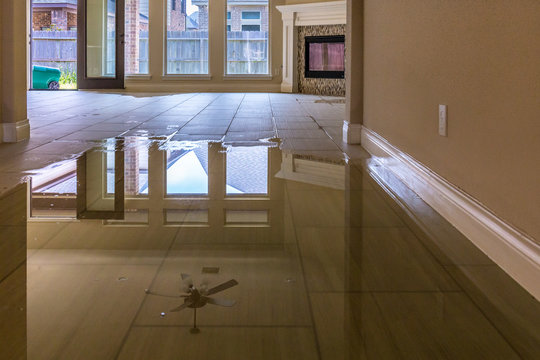
Beyond contamination level, water damage is also classified by how much material is affected and the difficulty of drying. These classes help restoration professionals determine equipment needs and project scope.
| Class | Description |
| Class 1 | Minimal water absorption affecting only part of a room. Materials have low porosity (concrete, plywood). Least amount of drying required. |
| Class 2 | Significant water absorption throughout an entire room. Water has wicked up walls less than 24 inches. Carpet, cushion, and structural materials are wet. |
| Class 3 | Greatest amount of water absorption. Water may have come from overhead, saturating ceilings, walls, insulation, carpet, cushion, and subfloor. Common in homes with ceiling leaks or second-floor flooding. |
| Class 4 | Specialty drying situations involving materials with very low permeance (hardwood, plaster, brick, stone, concrete). Requires longer drying times and specialized techniques. |
Many homes in North Metro Atlanta feature hardwood flooring, which automatically triggers Class 4 protocols when water damage occurs. The region’s older homes—particularly in established Roswell and Alpharetta neighborhoods—often have plaster walls and original hardwood that require specialty drying techniques to preserve.
The Professional Water Damage Restoration Process
Professional restoration follows a systematic process developed by the Institute of Inspection, Cleaning and Restoration Certification (IICRC). Understanding these steps helps you evaluate whether a restoration company is following industry standards.
Emergency Contact and Initial Assessment
When you contact a water damage restoration company, a project manager should gather information about the water source, affected areas, and any safety concerns. Reputable companies respond around the clock because water damage doesn’t wait for business hours. The initial on-site assessment includes identifying the water source (and stopping it if still active), determining the water category and damage class, documenting affected areas with photos and moisture readings, and creating a restoration plan.
Water Extraction
Water removal begins immediately using truck-mounted extraction units, submersible pumps for standing water, and weighted extraction tools for carpeted areas. Professional extraction removes far more water than household shop-vacs—industrial equipment can extract hundreds of gallons per hour, dramatically reducing drying time and preventing water from migrating further into building materials.
Structural Drying and Dehumidification
After extraction, significant moisture remains in structural materials. The drying phase uses high-velocity air movers to accelerate evaporation from surfaces, commercial dehumidifiers to remove moisture from the air, and specialty equipment like desiccant dehumidifiers for challenging environments. Technicians use moisture meters and thermal imaging cameras to monitor drying progress, adjusting equipment placement as needed. In North Metro Atlanta’s humid climate—where summer humidity regularly exceeds 70%—dehumidification is particularly critical. Without proper dehumidification, the humid air simply cannot absorb additional moisture from wet materials.
Cleaning, Sanitization, and Odor Control
Depending on the water category, cleaning may involve antimicrobial treatments, HEPA vacuuming, air scrubbing, and odor neutralization. Category 2 and 3 water damage requires extensive sanitization to eliminate bacteria and pathogens. Affected contents may be cleaned on-site or packed out for off-site restoration.
Restoration and Repairs
The final phase returns your property to pre-loss condition. This may be as simple as replacing carpet padding and repainting, or as extensive as reconstructing entire rooms. A full-service water damage restoration company handles both mitigation (emergency response) and restoration (repairs), providing continuity throughout the project.
Water Mitigation vs. Water Restoration: What’s the Difference?
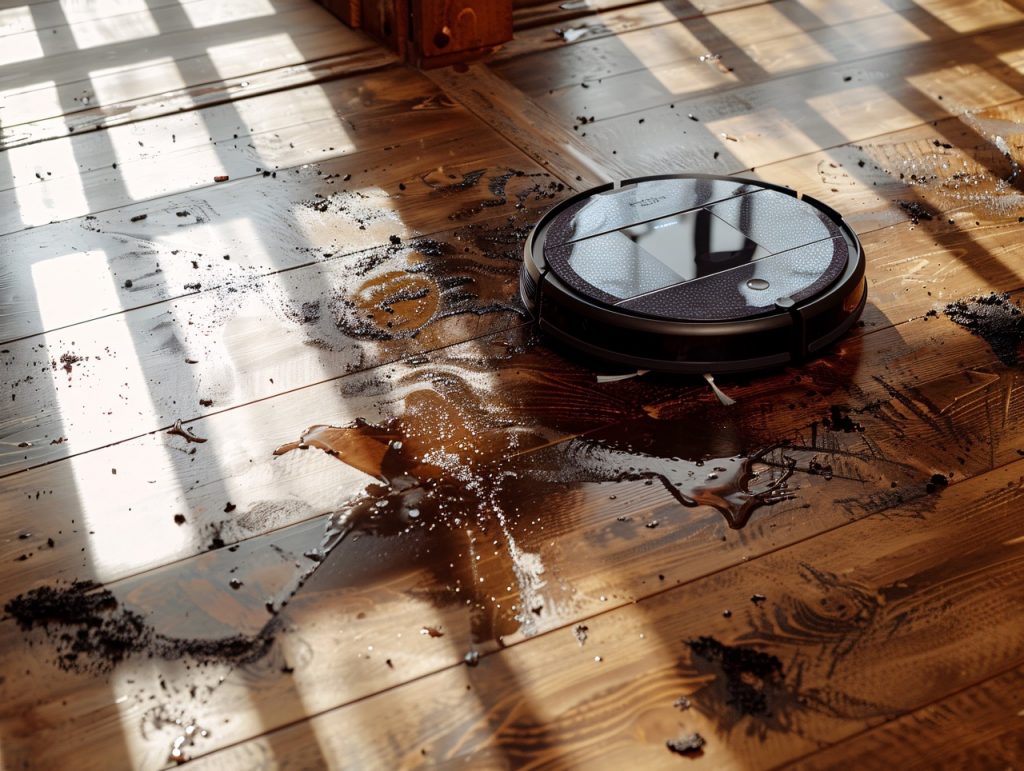
These terms are often used interchangeably, but they refer to different phases of the recovery process.
Water mitigation focuses on preventing further damage. It includes emergency water extraction, removing saturated materials that cannot be saved, and stabilizing the environment. Mitigation is about stopping the damage from getting worse.
Water restoration focuses on returning the property to its original condition. It includes structural drying, repairs, reconstruction, and content restoration. Restoration is about making things whole again.
A water mitigation company may only handle the emergency phase, requiring you to hire separate contractors for repairs. A full-service water damage restoration company handles both phases, coordinating the project from initial response through final repairs. For most homeowners, working with a single company that provides comprehensive water damage restoration services simplifies the process and ensures accountability.
Flooded Basement Cleanup in North Metro Atlanta
Basement flooding is one of the most common water damage scenarios in our region, and it presents unique challenges that require specialized approaches.
North Metro Atlanta sits on Georgia’s Piedmont plateau, where clay-heavy soil and variable topography create conditions prone to basement water intrusion. Heavy rains can overwhelm drainage systems, and the area’s frequent summer thunderstorms often produce flash flooding that catches homeowners off guard. Many homes in Cherokee and Forsyth counties have walkout basements built into hillsides, where hydrostatic pressure during storms forces water through foundation walls.
Basement flood cleanup services must account for several factors unique to below-grade spaces. Water extraction in basements often involves significant volume—even an inch of water across an 800-square-foot basement represents hundreds of gallons. Sump pump failures during power outages are a common cause of basement flooding, which is why many restoration professionals recommend battery backup systems after completing flood damage restoration.
Because basement flooding frequently involves groundwater, it often qualifies as Category 3 (black water) damage, requiring removal of porous materials and extensive sanitization. The confined, below-grade environment also makes drying more challenging—basements have limited airflow and naturally higher humidity than above-grade spaces.
How Long Does Water Damage Restoration Take?
Timeline is one of the most common questions homeowners ask, and the honest answer is: it depends on the scope of damage. However, understanding typical timeframes helps set realistic expectations.
| Phase | Typical Duration | Factors That Extend |
| Emergency Response | Within hours | Storm surge demand |
| Water Extraction | 1–2 days | Volume, multiple floors |
| Structural Drying | 3–5 days | Hardwood, plaster, humidity |
| Repairs/Reconstruction | 1–6 weeks | Structural damage, permits |
For a typical Class 2 water damage scenario in a North Metro Atlanta home—say, a burst washing machine supply line affecting a laundry room and adjacent hallway—expect the mitigation phase (extraction and drying) to take approximately one week. Repairs add additional time depending on what needs to be replaced.
More severe damage extends these timelines. Class 3 damage from an upstairs bathroom overflow affecting multiple levels may require two weeks of drying. Class 4 situations involving hardwood floors—common in Johns Creek, Milton, and Cumming homes—often need extended drying periods of 10–14 days to properly address the low-permeance materials.
Factors That Affect Water Damage Restoration Costs
Water damage restoration costs vary significantly based on multiple factors. Understanding what drives costs helps you evaluate estimates and make informed decisions.
Water category is a primary cost driver. Category 1 (clean water) damage requires standard extraction and drying. Category 2 (gray water) adds sanitization requirements. Category 3 (black water) requires the most extensive protocols, including removal of porous materials, specialized protective equipment, and comprehensive disinfection.
Damage class affects equipment needs and drying time. Class 1 damage may need only a few air movers and a dehumidifier. Class 3 or 4 damage may require dozens of pieces of equipment running for extended periods.
Affected square footage directly impacts both labor and equipment requirements. A water damage incident affecting a single bathroom differs dramatically from one affecting an entire floor.
Materials involved influence both the drying approach and potential replacement costs. Carpet can often be saved if addressed quickly; carpet padding typically cannot. Hardwood floors may be salvageable with proper drying techniques, but cupping or buckling may require refinishing or replacement. Drywall absorbs water readily and often needs partial or complete replacement.
Response time affects total project cost. Water damage addressed within hours typically costs less than damage that has been sitting for days. Delayed response means more material degradation, higher likelihood of mold development, and more extensive repairs.
Mold presence adds a secondary remediation component. If water damage has been present long enough for mold to develop, mold remediation services become necessary in addition to water damage restoration.
How to Choose a Water Damage Restoration Company in North Metro Atlanta
Not all restoration companies deliver the same quality of work. When you’re searching for a water damage company to address an emergency at your home, consider these factors.
IICRC Certification: The Institute of Inspection, Cleaning and Restoration Certification sets industry standards for water damage restoration. Look for companies whose technicians hold WRT (Water Damage Restoration Technician) certification at minimum. Additional certifications like ASD (Applied Structural Drying) and AMRT (Applied Microbial Remediation Technician) indicate advanced training.
24/7 Availability: Water damage requires immediate response. A company that only operates during business hours cannot provide the emergency water damage restoration service that the situation demands. Look for restoration companies with true around-the-clock response capabilities.
Local Presence: A locally-owned water restoration company understands the specific challenges of the area—the clay soil that contributes to basement flooding, the older plumbing in established neighborhoods, the storm patterns that cause seasonal damage spikes. Local companies also provide faster response times than national chains dispatching from distant locations.
Insurance Coordination: Experienced restoration companies work directly with insurance adjusters, providing documentation, photos, moisture readings, and detailed estimates that facilitate claims processing. This coordination reduces stress during an already difficult situation.
Full-Service Capabilities: Some companies handle only water extraction, leaving you to find contractors for drying and repairs. A full-service water damage restoration company manages the entire process from emergency response through final reconstruction, ensuring continuity and accountability.
Water Damage Challenges Specific to North Metro Atlanta
Our region presents unique water damage challenges that local restoration professionals understand and account for in their approach.
Georgia’s humid subtropical climate means ambient humidity often exceeds 70% during summer months. This high background humidity makes structural drying more challenging—wet materials cannot dry effectively when the surrounding air is already moisture-saturated. Professional dehumidification is not optional in our climate; it’s essential.
Seasonal storm patterns create predictable demand spikes. Summer thunderstorms regularly produce heavy rainfall that overwhelms drainage systems and causes flash flooding. Winter ice storms can freeze and rupture pipes. Spring brings tornado season. Understanding these patterns helps homeowners prepare and helps restoration companies maintain adequate capacity.
Regional construction styles vary significantly across the area. Older homes in Roswell and Alpharetta may have original hardwood floors, plaster walls, and dated plumbing that requires careful handling. Newer construction in Cumming, Suwanee, and Buford often features finished basements and open floor plans that allow water to spread quickly across large areas. Each scenario requires a tailored approach.
Piedmont clay soil common throughout Cherokee, Forsyth, and northern Fulton counties doesn’t absorb water well. During heavy rains, water runs off rather than percolating into the ground, increasing hydrostatic pressure against foundations and contributing to basement water intrusion.
Mold Risk After Water Damage in Georgia
Georgia’s warm, humid climate creates ideal conditions for mold growth following water damage. Mold spores are always present in the environment; they only need moisture and organic material (wood, drywall paper, carpet backing) to begin colonizing.
Under favorable conditions, mold can begin growing within 24 to 48 hours of water exposure. This is why rapid response to water damage is so critical—the window between water intrusion and mold development is narrow, especially during Georgia’s humid summer months.
Professional water damage restoration includes protocols designed to prevent mold growth: rapid extraction to minimize moisture exposure time, thorough drying to eliminate the moisture mold needs, antimicrobial treatments where appropriate, and humidity monitoring to ensure conditions remain unfavorable for mold development.
If mold has already developed before restoration begins, mold remediation services become necessary in addition to water damage restoration. Many full-service restoration companies offer both water damage and mold remediation, providing continuity when both issues are present.
What to Do When You Discover Water Damage
If you discover water damage in your home, taking the right immediate steps can minimize damage and protect your safety.
Stop the water source if you can safely access it. For burst pipes, locate your main water shutoff valve (typically near the water meter or where the main line enters your home). For appliance failures, turn off the water supply to that specific appliance.
Ensure electrical safety. If standing water is present, avoid entering the area if water may have reached electrical outlets, appliances, or the electrical panel. If safe to do so, turn off electricity to affected areas at the breaker panel.
Document the damage with photos and video before any cleanup begins. This documentation supports insurance claims and provides a record of initial conditions.
Contact your insurance company to report the damage and understand your coverage. Many policies require prompt notification.
Call a professional water damage restoration company immediately. The sooner extraction and drying begin, the less damage occurs and the lower the restoration cost.
Frequently Asked Questions About Water Damage Restoration
How quickly should I call a water damage restoration company?
Immediately. Water damage worsens by the hour, and mold can begin developing within 24–48 hours. The fastest response minimizes both damage and cost. Look for a company that offers 24/7 emergency response.
Will my homeowner’s insurance cover water damage restoration?
Most homeowner’s policies cover sudden and accidental water damage, such as burst pipes or appliance failures. Gradual damage from deferred maintenance and flooding from external sources (storms, rising water) typically require separate flood insurance. Your restoration company can help document the damage for your insurance claim.
Can I stay in my home during water damage restoration?
Often yes, depending on the extent of damage and areas affected. If only one room is impacted, you can usually remain in the home while restoration proceeds. Extensive damage, Category 3 water, or damage affecting essential areas like kitchens or bathrooms may require temporary relocation. Your restoration company can advise based on your specific situation.
What’s the difference between water damage restoration and water damage repair?
Water damage repair typically refers to fixing damaged materials—replacing drywall, refinishing floors, repainting. Water damage restoration is the complete process of returning a property to pre-loss condition, including emergency response, water extraction, drying, cleaning, and repairs. Full-service restoration companies handle the entire scope.
How do I know if there’s hidden water damage in my walls?
Signs of hidden water damage include musty odors, discoloration or staining, bubbling or peeling paint, soft spots in walls or floors, and warped baseboards. Professional restoration technicians use moisture meters and thermal imaging cameras to detect hidden moisture that isn’t visible to the eye.
Do I need mold testing after water damage?
If water damage is addressed quickly (within 24–48 hours) using professional drying protocols, mold testing is often unnecessary. If damage has been present for several days or you see visible mold growth, testing can determine the type and extent of contamination. Your restoration company can recommend whether testing is warranted in your situation.
Water Damage Restoration Throughout North Metro Atlanta
PuroClean North Metro Atlanta provides professional water damage restoration services throughout Cherokee, Forsyth, Fulton, and Gwinnett counties. Our service area includes Canton, Woodstock, Roswell, Alpharetta, Johns Creek, Milton, Cumming, Suwanee, Buford, and surrounding communities.
As a locally-owned restoration company, we understand the specific water damage challenges homeowners in our region face—from basement flooding in hillside homes to storm damage during severe weather events. Our IICRC-certified technicians respond 24/7 with the equipment and expertise to handle any water damage scenario.
Contact PuroClean North Metro Atlanta
When water damage strikes your North Metro Atlanta home or business, every hour matters. PuroClean North Metro Atlanta provides emergency water damage restoration services around the clock, with rapid response times and the professional expertise to fully restore your property.
Call (770) 720-2320 now for 24/7 emergency water damage restoration service.

 PuroClean North Metro Atlanta