


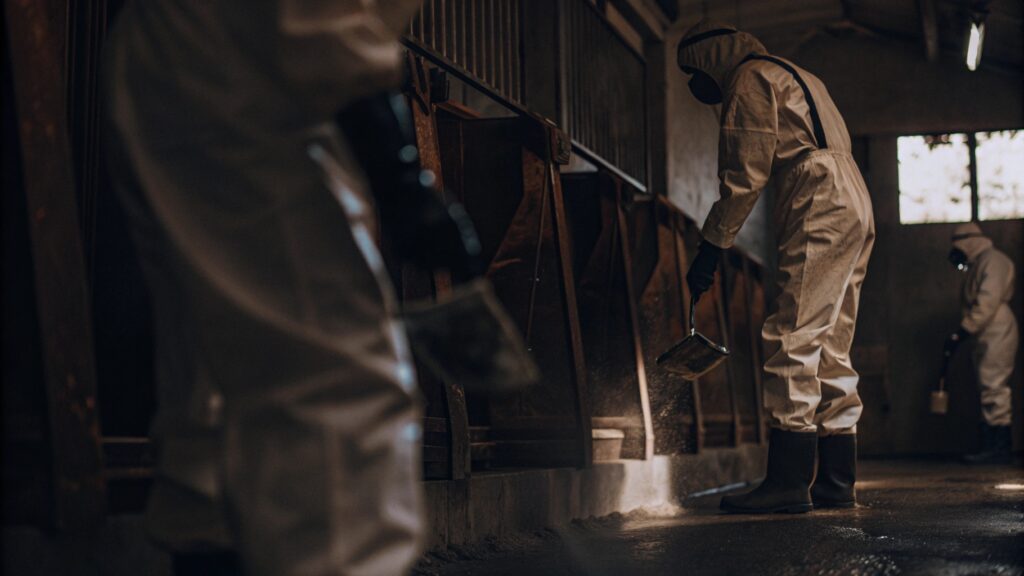
Most people think of cleaning as something familiar, wiping surfaces, mopping floors, or disinfecting a spill. But biohazard situations involve something completely different. Blood, bodily fluids, sewage, chemical residues, and contaminated materials carry risks that regular cleaning cannot address. This gap in understanding often leads homeowners to underestimate the danger, which is why knowing the difference between standard cleaning and specialized cleanup is so important.
Why Biohazard Situations Need Specialized Attention
Biohazard incidents involve contaminants that can carry pathogens, create long-term health risks, or damage property if handled incorrectly. These hazards require controlled methods, safety protocols, and specialized tools that go far beyond typical household cleaning. The response must eliminate the immediate danger while also preventing future exposure. Many families depend on professional biohazard cleaning apex services when they face situations that demand skilled, protective handling rather than typical cleaning steps.
What Makes a Biohazard Scene Different from Everyday Cleaning Needs
A biohazard scene may contain materials that require formal disposal procedures, including bloodborne pathogens and infectious substances. Regular cleaning products are not designed to neutralize such contaminants, nor can they reach into porous surfaces where harmful microorganisms may spread. Understanding the difference between cleaning and biohazard cleanup helps homeowners recognize when trained professionals are needed instead of DIY efforts.
Regulatory and Safety Standards Involved
Biohazard cleanup follows strict regulations designed to protect both the cleanup team and the surrounding environment. Respective local health authorities and national safety organizations outline requirements for approved disinfectants, personal protective equipment (PPE), proper containment, and safe waste handling. These guidelines ensure each step prevents exposure and cross-contamination.
Many restoration companies rely on professional biohazard cleaning apex teams because these teams are trained to meet regulatory requirements consistently.
Key Differences Between Professional Cleanup and Regular Cleaning
Professional cleanup goes far beyond visible cleaning. It includes hazard assessment, decontamination, removal of damaged materials, and safety controls that regular household cleaning does not require. Each stage is structured around reducing risk and restoring a safe living environment. When people learn to differentiate between cleaning and biohazard cleanup, they quickly understand why everyday tools are not enough for these high-risk situations.
Specialized Training and Certification Requirements
Biohazard technicians undergo specialized training in identifying contaminants, using PPE correctly, and managing hazardous waste. This expertise allows them to diagnose risks accurately and follow protocols that keep everyone safe. Some homeowners request professional biohazard cleaning apex when they need trained responders who understand the complexity of hazardous materials.
Advanced Equipment and Hospital-Grade Disinfectants
While regular cleaning uses basic disinfectants, biohazard cleanup requires EPA-registered products, air scrubbers, HEPA vacuums, enzyme treatments, and specialized fogging equipment. These tools help remove both visible contaminants and microscopic pathogens that linger on surfaces. Homeowners exploring the difference between cleaning and biohazard cleanup often discover that standard disinfectants cannot meet medical-grade requirements.
Removal, Disposal, and Decontamination Protocols
In some cases, flooring, furniture, or drywall must be removed if contaminants have soaked in. Biohazard teams follow proper disposal rules, sealing and labeling materials to prevent exposure during transport. Decontamination then restores surfaces to safe conditions. Many individuals turn to professional biohazard cleaning apex when contamination affects materials that cannot be cleaned safely with regular methods.
Risk Assessment and Scene Restoration Steps
Biohazard cleanup begins with a full assessment. Technicians examine where contamination spread, how deeply it entered materials, and what risks remain. After the cleanup, they verify that the area meets health and safety standards before homeowners return. This process shows the difference between cleaning and biohazard cleanup, especially when thorough risk evaluation is required.
Why Choosing Professional Cleanup Matters for Health and Safety
Improper biohazard cleanup can expose people to harmful pathogens long after the incident is visually cleaned. Invisible contamination may remain on fabrics, under flooring, or within small cracks. Professional teams use tested methods to locate and eliminate these threats completely.
Many families rely on professional biohazard cleaning apex support to ensure that environments are fully restored, not just cleaned on the surface.
Protection Against Hidden Pathogens
Biohazard professionals understand how pathogens behave and how easily they can spread. Their methods include breaking microbial chains, removing contaminated items, and sanitizing areas at levels that meet health standards. This level of care often highlights the difference between cleaning and biohazard cleanup, especially when dealing with invisible contamination.
Preventing Cross-Contamination
A major risk during unsafe cleanup is accidental spread to unaffected areas. Professionals use containment barriers, tools, and specific movement patterns to keep contaminants isolated. This prevents flooring, hallways, or HVAC systems from carrying harmful particles into other rooms. Many restoration leaders choose professional biohazard cleaning apex because cross-contamination can create new hazards if not controlled.
Restoring the Environment to a Safe, Usable Condition
While regular cleaning uses basic disinfectants, biohazard cleanup requires EPA-registered products, air scrubbers, HEPA vacuums, enzyme treatments, and specialized fogging equipment. These tools help remove both visible contaminants and microscopic pathogens that linger on surfaces. Homeowners often learn that standard household products cannot match the strength or precision required for medical-grade decontamination.

When Homeowners Should Avoid DIY Cleanup
Because biohazard situations carry health and safety risks, certain incidents should never be handled without professional support. Recognizing when to step back protects families from exposure and prevents improper disposal. If a spill happens unexpectedly, our blog on what to do immediately after a biohazard spill offers clear guidance on the first steps to take before professionals arrive. People often call professional biohazard cleaning apex when they face the following.
Situations requiring professional help:
- Blood or bodily fluid cleanup
- Crime or trauma scenes
- Sewage backups or contaminated water
- Hoarding environments with biological waste
- Animal waste or rodent contamination
- Chemical residue or strong odors linked to hazardous materials
Some of these areas show the difference between cleaning and biohazard cleanup, especially when harmful substances are involved.
Conclusion
Biohazard cleanup is a specialized field that requires training, safety protocols, and precise methods that go well beyond routine cleaning. While regular cleaning focuses on appearance, biohazard remediation focuses on health, safety, and complete decontamination. By relying on specialists, property owners gain confidence that every hazard has been identified, removed, and addressed correctly.
Many families and businesses turn to professional biohazard cleaning apex services when they want assurance that the environment is thoroughly restored and safe to use again.
FAQs
Q1. Why can’t regular cleaning methods remove biohazard contamination?
A: Regular cleaning products do not neutralize pathogens or handle deep contamination. Biohazard cleanup uses specialized disinfectants and protocols for safety.
Q2. Do professionals follow special safety standards?
A: Yes. Biohazard teams follow safety protocols set by local health authorities, use proper protective equipment, and follow regulated disposal procedures to prevent exposure and contamination.
Q3. When should someone call a biohazard cleanup team?
A: Any situation involving bodily fluids, sewage, chemical hazards, or strong contamination should be handled by trained professionals.