 PuroClean Disaster Response Services
Coming home to a flooded basement in Cary can be stressful and unfortunate, but it’s important to remember that there are ways to deal with it effectively!
There are practical steps you can take to address the problem and minimize the damage. In this blog, we’ll guide you through the process of dealing with a flooded basement, from initial safety measures to long-term prevention strategies. With the right approach, you can get through this challenging situation and restore your home to its normal, dry state. Let’s dive in and explore what you need to know.
Preparation Plans for a Flooded Basement in Cary
Staying prepared is critical if you live in an area prone to flooding. First, consider creating an emergency plan. Your plan should include a list of items you need if you have to evacuate your home in a hurry.
It’s also important to know that most typical home insurance policies don’t include flood insurance. Talk with your agent about adding this important coverage if you live in a high-risk area.
Painting your basement walls with a waterproof coating can help protect your property by combatting moisture. You should also stock up on supplies, such as sandbags, that can help prevent floodwaters from entering your house. Last but not least, make sure you have insurance to cover flood damage.
- Call your insurance company. If your basement floods, the first thing you should do is call your insurance company. They will send an adjuster to assess the damage and begin the claims process.
- Check for structural damage to your home. Make sure that it’s safe to enter your home. If structural damage is present, such as broken pipes or cracks in your house’s foundation, take note of the damage for your insurance adjuster.
- Turn off the electrical supply. Floodwaters and electricity do not mix. If your basement has flooded, turning off the power is essential to prevent accidents.
- Avoid direct contact with floodwater. Floodwater can contain dangerous containments, such as lead, mercury, and microorganisms.
- Start the cleanup process. Once you’ve done the above steps, you can begin cleaning up your basement. You can start by removing any standing water and then dry out the area.
How to Clean a Flooded Basement
Now that you have learned what to do immediately following a flood, here are tips for cleaning your flooded basement.
Safety First
The most important thing to remember when cleaning up your basement is to put your safety first. There are many dangers associated with flooded basements, including electrical shock, mold, and harmful bacteria.
Wear personal protective equipment, including disposable overalls, rubber boots, gloves, and a face mask when cleaning the basement.
Remove the Water
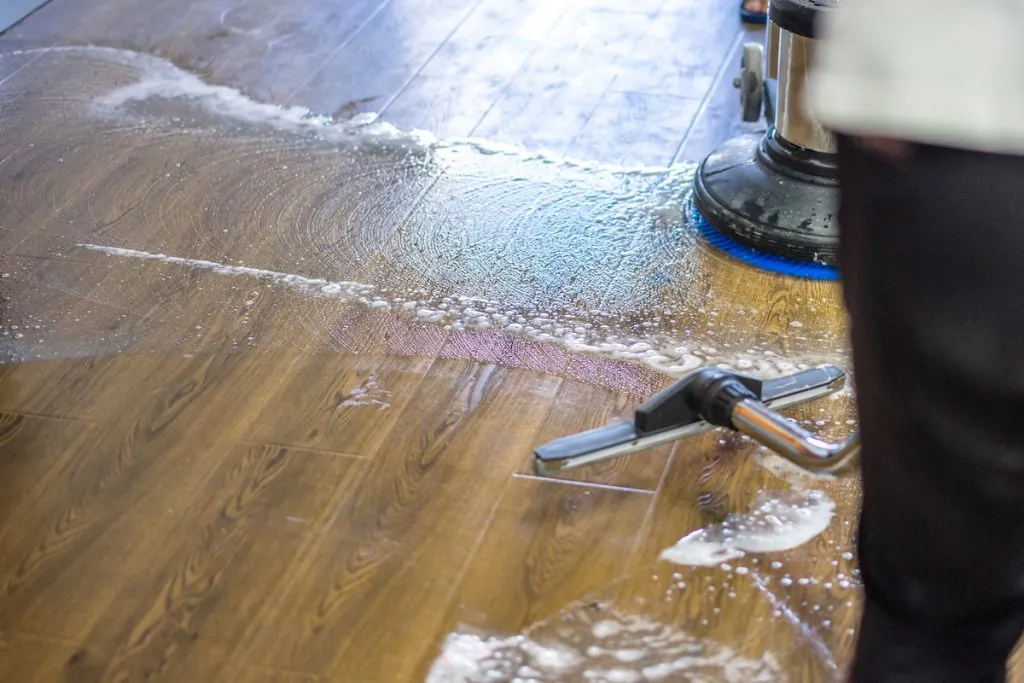
The first step in the cleanup process is to remove all the water. You can use a sump pump or a wet/dry vacuum. If there is a lot of water, you may need to rent a professional-grade pump.
Dry Out the Basement
Once you have removed all the water, it’s time to start drying out the basement. The drying can be done by opening windows and using ceiling fans and dehumidifiers.
Dehumidifiers reduce the air’s moisture and help maintain proper humidity levels. Meanwhile, fans help circulate the air and speed up the drying process. Be aware it can take up to two weeks for a flooded basement to completely dry.
Clean and Disinfect
After your basement is dry, it’s time to start cleaning and disinfecting all surfaces. This includes walls, floors, ceilings, and any personal belongings that may have been affected by the flood.
Use mild soap and warm water to clean all surfaces. Once cleaned, make sure to apply a disinfectant to prevent the growth of mold and mildew.
Inspect for Mold and Mildew
Mold and mildew can thrive in a flooded basement, leading to serious health risks. It’s essential to inspect your basement for any signs of mold growth.
Some common signs of mold include a musty smell, discoloration on walls and ceilings, and the presence of spores. If you discover these telltale indicators, contact a professional mold remediation expert to restore your basement to its pre-loss condition.
Steps to Preventing Future Flooding

Whether you have been affected by flooding or are looking to prevent one, take these steps to avoid future flooding incidents.
- Make sure to clean your gutters and downspouts regularly to prevent water from pooling around your home.
- Install a sump pump that can detect excess water and help remove accumulated water in your basement. Sump pumps are powered by electricity or a battery, so it’s essential to have a backup power source in case of a power outage.
- Keep an electrical generator in case of an emergency to provide your house with a backup source of electricity.
- Install a backwater valve as another tool that can help prevent basement flooding. The valve is installed in your sewer line and prevents sewage and stormwater from flowing back into your home.
- Disconnect the downspouts, or drainage pipes, that direct rainwater from the roof to the ground to reduce the amount of water that flows into the sewer system and decreases the chance of a backup.
- Have your septic tank regularly inspected to ensure it is working correctly. A clogged or malfunctioning septic tank can cause sewage backups. If you’ve suffered a sewage backup, learn about the risks of DIY sewage flood cleanup.
- Seal any cracks or openings in your home’s walls, floors, windows, and foundations.
Are You Dealing with a Flooded Basement in Cary? Call PuroClean Disaster Response Services Today!
If your basement is flooding due to excessive rain, sewage backup, a pipe burst, or any other reason, we are here to provide excellent water damage remediation services. Our certified technicians are fully equipped and trained to handle emergencies such as basement flooding repair, mold removal, and water damage restoration with expertise and professionalism. Don’t hesitate to call PuroClean Disaster Response Services at (919) 481-4600 to schedule an appointment.



 PuroClean Disaster Response Services