 PuroClean Certified Restoration Specialists
Table of Contents
Basement flooding can occur at any time, especially in the spring, when snow melts and spring storms begin. Flooding can occur even in dry weather due to unexpected blockages to the sewer system around your home. If you’ve experienced basement flooding, it’s imperative to deal with the situation immediately. To help you overcome such an emergency, read our tips on how to clean a flooded basement.
How To Clean A Flooded Basement
Do you know how to clean a flooded basement? Tackling basement flooding repair yourself is not a good idea, so keep the number of a water damage restoration specialist on hand. However, if you want to handle the problem yourself, here are essential tips on how to clean a flooded basement:
- Your safety is the most important of all, so before you start cleaning, be sure that it’s safe to enter your home. Check for cracks, holes, new mold growth, or any other safety hazards. Regardless of what you see, be sure to protect yourself accordingly. Masks, gloves, and boots are some important protective equipment during this process that you’ll want to have on hand.
- Be sure to also take photos of the water damage to include in your insurance claim if the damage is severe enough. Additionally, be sure to document everything that is damaged and needs replacement. While some floods are from sudden events such as storms or natural disasters, they can also be from water pipe malfunctions, sewage problems, or pipe bursts.
- It’s important to find the source of the flood first so you know exactly what needs to be fixed. Once you’ve found the source, immediately turn off the electricity before you start water removal. Mold can begin growing on wet surfaces within 48 hours after flooding, so do your best to act as fast as possible. Whether you have 3 feet of water, a few inches, or just a damp carpet, action is still required.
Water Removal and Drying Tips

- Quickly remove affected items from floodwater to avoid mold growth, warping, and rot. Items that suck up a lot of water (like carpet and furniture) can usually be salvaged if they have been in floodwater for less than 24 hours. Otherwise, throw them away.
- Completely dry the basement to avoid further damage and mold growth.
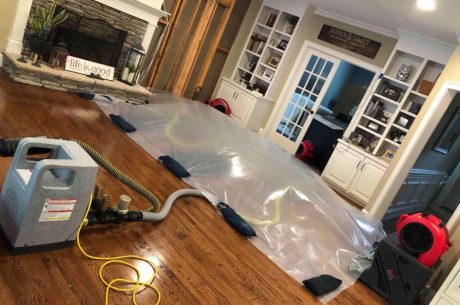
- Suck up the water with a sump pump and a Wet-Dry vacuum.
- Use dehumidifiers and ventilate the basement as much as possible. Use fans and open windows if the weather allows, but not when the outside humidity is high.
- Remove the baseboards (if present) and drill 1-inch holes halfway between the wall studs at the base of the walls. This allows moist air from behind the walls to evaporate.
- Properly drying a flooded basement may take up to two weeks.
- After everything has been dried, clean and disinfect the basement contents and structure (walls, foundation floor, drywall, etc.). You may need to discard the drywall and wood if a lot of mold has developed.
- Don’t use bleach to clean mold because bleach kills live mold but not mold spores. Household detergent is preferable.
- Regardless of the size of the mold-affected area, strongly consider contacting a mold remediation company. They can identify the moisture source and restore the moldy surfaces efficiently and without risk of mold recurrence.
- Make any necessary repairs, such as filling foundation cracks, replacing damaged drywall with a mold-resistant type, and sealing windows and vents.
- If your basement has been flooded with sewage, check out our tips to handle sewage backup in a basement.
How to Restore Treasured Items
One of the most devastating effects of home flooding is losing treasured family items. Some items may be completely damaged if they were in contact with sewage or chemicals, but you can salvage them if not.
Photos are some of the most treasured items you keep in your home, so, understandably, you would want to restore them. Try to remove them from the damage as soon as possible, though. Within the first two days after the damage, the photos might start to stick together or become moldy.
After removing the photos from the damage, place them on a flat, dry surface with paper towels on top of them. The paper towels will blot the extra water from the photos, but make sure to change them every few hours until they’re fully dry. If you can, keep the photos inside to dry and away from fans or air conditioning. Wind and sun outdoors will make the photos curl and become warped.
Just like photos, you can also restore important documents like birth certificates or marriage licenses from water damage if you remove them quickly. You can use the same method of laying them under a paper towel on a flat surface to remove excess moisture.

If you can’t deal with damaged photos or documents right away but still want to save them, don’t worry. You can place them in plastic zipper bags and put them in the freezer. The freezing will prevent them from further damage or mold growth.
How to Prevent Future Flooding
- Clean your gutters and downspouts and divert rainwater six feet away from the house. Also, make sure the ground is slightly sloping away from your home.
- Install an emergency generator to provide your house with electricity during blackouts.
- Install a sump pump that automatically drains water from your basement and prevents water from rising. Choose one with a backup battery.
- Seal openings or cracks in the walls, floors, foundations, and windows of your house.
- Install porous pavement around your home to help absorb rainwater and thawed snow.
- Ensure that your drainage systems and plumbing are working properly. Have them checked periodically by a professional.
- Read more tips to prevent basement water damage and check out the top causes of basement flooding.
For Basement Flood Cleanup, Call The PuroClean Certified Restoration Specialists
Now you know how to clean a flooded basement. Whether your basement has flooded due to excessive rain, sewage backup, a pipe burst or other causes, we stand ready to come to your property’s rescue. Our technicians are certified and trained to deal with emergencies like basement flooding repair, mold removal, and water damage restoration. We have over 280 offices located across North America that are ready to answer your call 24/7/365.


 PuroClean Certified Restoration Specialists