 PuroClean Certified Restoration Specialists
Fire damage can be a devastating event for any property owner. The immediate aftermath is often filled with confusion and distress.
However, it’s crucial to act quickly to mitigate further damage. This is where professional fire damage restoration comes into play.
Fire damage restoration is a specialized service that aims to restore your property to its pre-fire condition. It involves a series of steps, from initial assessment to final restoration.
In this article, we will delve into the role of professional fire damage restoration in mitigating secondary damage. We will explore the process, the importance of timely intervention, and how professionals can help you navigate this challenging time.
Understanding Fire Damage and Secondary Damage
Fire damage refers to the physical destruction caused by a fire. This includes damage to the structure of the property and its contents.
However, the impact of a fire extends beyond the initial damage. Secondary damage can occur if the fire damage is not addressed promptly and professionally.
Secondary damage refers to the additional harm that occurs after the fire. This can include:
- Water damage from firefighting efforts
- Mold growth from excess moisture
- Smoke and soot damage affecting air quality and property condition
Understanding the potential for secondary damage is crucial. It underscores the importance of immediate and professional fire damage restoration.
By acting quickly, you can prevent further damage, protect your property, and expedite the recovery process.
The Immediate Response: Emergency Fire Restoration Services
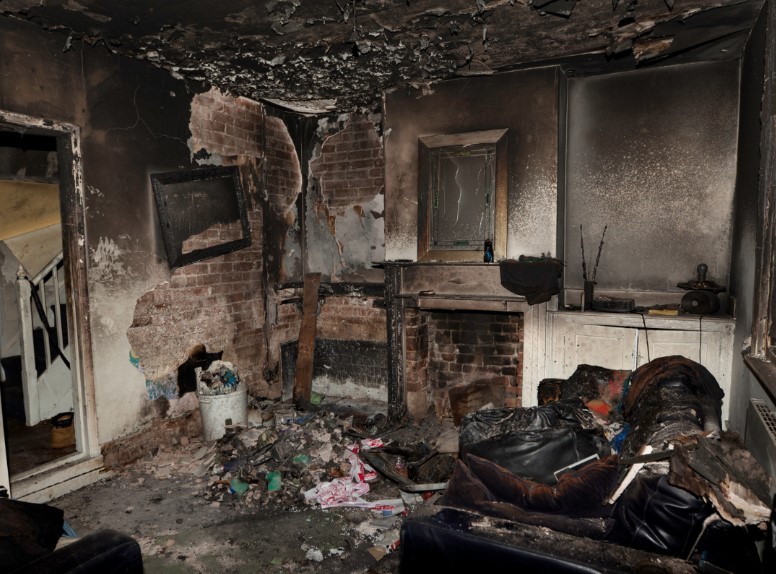
When a fire occurs, the first response is crucial. This is where emergency fire damage restoration services come into play.
These services are designed to address the immediate aftermath of a fire. They aim to secure the property and prevent further damage.
Emergency fire restoration professionals are trained to respond quickly. They arrive on-site as soon as possible to assess the situation and take necessary actions.
This can include boarding up windows, covering damaged roofs, and starting the water removal process. These steps help to protect the property from further harm.
By engaging emergency services, you can start the recovery process right away. This can significantly reduce the risk of secondary damage and help mitigate the fire’s overall impact.
Inspection and Assessment: The First Step in Fire Damage Restoration
Once the immediate threats are addressed, the next step is a thorough inspection and assessment. This is a critical part of the fire damage restoration process.
Restoration professionals will examine the property to determine the extent of the fire damage. They will identify areas affected by smoke, soot, and water.
This assessment helps to create a detailed restoration plan. It outlines the necessary steps to restore the property to its pre-fire condition.
By conducting a thorough inspection, professionals can ensure that all aspects of fire damage are addressed. This helps to prevent secondary damage and provides a comprehensive restoration process.
Securing the Property: Board-Up and Roof Tarp Services
After the initial assessment, the property needs to be secured. This is where board-up and roof tarp services come into play.
Board-up services help to prevent further damage to the property. They also deter potential vandalism or theft.
Roof tarp services protect the property from weather elements. This is especially important if the roof has been damaged in the fire. These services are crucial in mitigating secondary damage while the restoration process is underway.
Water Removal and Drying: Preventing Mold and Structural Damage
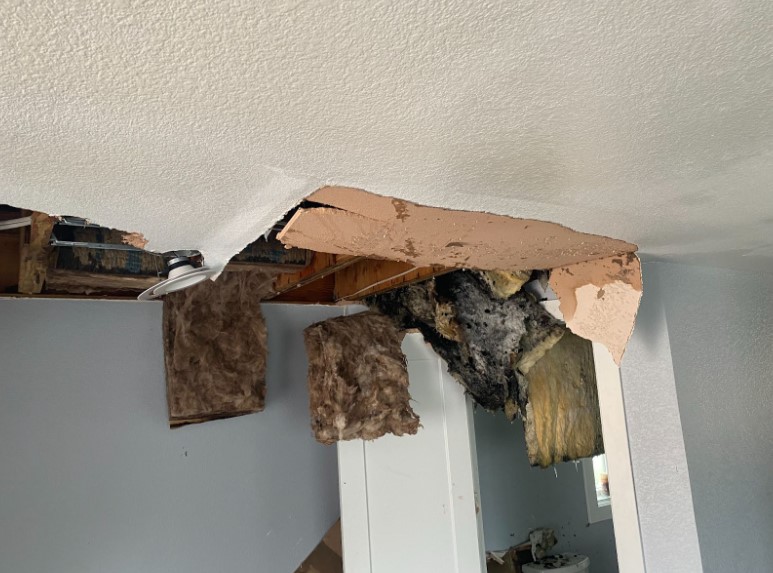
Water damage is a common secondary issue after a fire. It can result from firefighting efforts or from damaged pipes and plumbing.
Professional fire damage restoration services include water removal and drying. This step is crucial to prevent mold growth and structural damage.
The process involves the use of specialized equipment. This includes industrial-grade dehumidifiers and air movers.
- Dehumidifiers help to remove excess moisture from the air.
- Air movers promote fast drying by increasing air circulation.
Timely water removal and drying can save property owners significant repair costs. It also helps to restore the property to a safe and healthy condition faster.
Soot and Smoke Removal: Techniques and Health Considerations
Soot and smoke can cause extensive damage to a property after a fire. They can also pose serious health risks.
Professional fire damage restoration services use advanced techniques for soot and smoke removal. These techniques ensure thorough cleaning and minimize health hazards.
One common method is thermal fogging. This involves using a fogging device to apply a deodorizing agent that neutralizes smoke odors.
Another technique is soda blasting. This method uses baking soda to remove soot and smoke damage from surfaces.
It’s important to leave soot and smoke removal to professionals. Improper handling can lead to further damage and potential health risks.
Cleaning, Sanitizing, and Deodorization: Restoring Safe Living Conditions
After soot and smoke removal, the next step is cleaning and sanitizing the affected areas. This step is crucial in restoring safe living conditions.
Professional services use specialized cleaning agents. These agents effectively remove residues and contaminants left by the fire.
Sanitizing involves treating the area to kill bacteria and other harmful microorganisms. This step helps prevent potential health risks.
Deodorization is also an important part of the process. It involves eliminating the lingering smell of smoke to restore the indoor air quality. This step is crucial in making the property habitable again.
Restoration vs. Replacement: Making the Right Decisions
One of the key decisions during fire damage restoration is whether to restore or replace damaged items. This decision can significantly impact the overall cost and timeline of the restoration process.
Professional restoration services can often salvage items that may seem beyond repair. They use advanced techniques and equipment to restore items to their pre-fire condition.
However, in some cases, replacement may be more cost-effective or necessary. This is especially true for items that are severely damaged or pose a potential health risk if not properly disposed of.
Working with Insurance: Claims Processing and Coordination

Dealing with insurance claims after a fire can be a complex and stressful process. Professional fire damage restoration companies often offer assistance with insurance claims to ease this burden.
They can help document the damage, provide necessary estimates, and liaise with insurance adjusters. This can expedite the claims process and ensure you receive a fair settlement.
It’s crucial to understand your insurance policy’s terms and coverage limits for fire damage. This knowledge can help you navigate the claims process more effectively.
Conclusion: The Importance of Professional Fire Damage Restoration
Professional fire damage restoration is crucial in mitigating secondary damage. Repairing the visible damage caused by the fire is important, but neglecting the hidden issues can lead to long-term problems.
By hiring a reputable fire damage restoration company, you can ensure that all aspects of the restoration process are handled correctly. This includes everything from the initial assessment to the final restoration. In the end, professional fire damage restoration can help you return to normalcy as quickly and efficiently as possible.
For expert fire and water damage restoration services in Centennial, contact PuroClean Certified Emergency Restoration Specialists.


 PuroClean Certified Restoration Specialists