


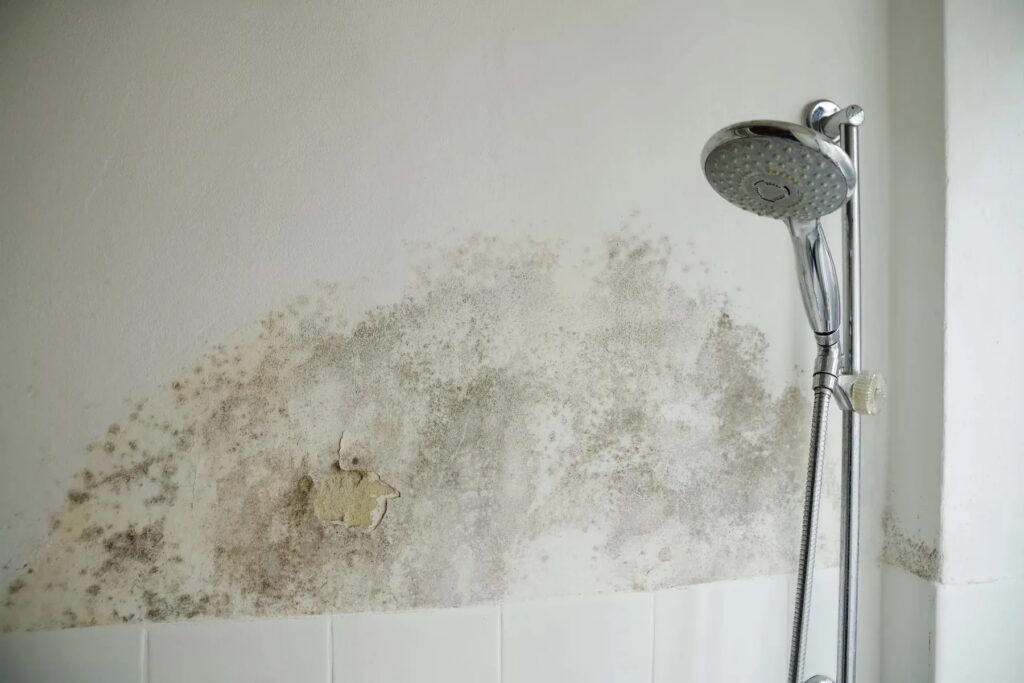
Water intrusion can strike your home when you least expect it. Whether it is a burst supply line, a leaking water heater, sudden heavy rainfall, or localized coastal flooding, facing water damage in Charleston can be an overwhelming experience. The actions you take during the critical first 24 hours dictate how much damage your property will sustain and how smoothly your restoration process will go.
In the Lowcountry, our high humidity and frequent storms mean that water-damaged materials can quickly escalate into secondary problems, such as structural deterioration and mold growth. Fast, decisive action is necessary.
Here are the eight essential steps every homeowner should take immediately after discovering water damage in their home.
Step 1: Put Occupant Safety First
Before you attempt to save your belongings or assess the damage, you must ensure the area is safe to enter. Water and electricity are a deadly combination. Additionally, floodwaters can carry unseen hazards that pose a direct threat to your health.
- Electrical hazards: If water has reached electrical outlets, baseboard heaters, appliances, or your breaker panel, do not enter the room. If it is safe to access your main electrical panel without standing in water, turn off the power to the affected areas. When in doubt, call a licensed electrician.
- Contamination risks: Never wade into standing water if you suspect it is contaminated. Water from overflowing toilets containing sewage, sewer backups, or exterior floodwaters falls into Category 3 (Black Water), containing harmful pathogens and biohazards.
- Structural dangers: Look up before you walk into a room. Saturated drywall ceilings can become incredibly heavy, leading to sudden and dangerous structural collapse.
Step 2: Stop the Source of the Water
If the flooding is coming from an internal plumbing failure, your immediate priority is to stop the flow of water. Locate the shut-off valve nearest to the fixture (such as the valve behind the toilet or under the sink). If a pipe has burst behind a wall or you cannot easily find the localized valve, shut off the home’s main water supply.
Most homes in our area have a main water shut-off valve located in the yard near the street (often inside a utility box in the ground) or near the perimeter of the foundation. Knowing where this valve is before an emergency happens can save you thousands of dollars in damage.
If the water intrusion is due to a roof leak caused by severe coastal weather, you may need to wait until the storm passes before having a professional place a temporary tarp over the damaged area. Never attempt to climb onto a wet, slippery roof during an active storm.
Step 3: Document the Water Damage for Insurance
Before you begin any significant cleanup efforts, take comprehensive photos and videos of all affected areas. This visual documentation is vital for your insurance claim. It establishes a clear record of the disaster exactly as it happened.
- Take wide-angle photos of the entire room to show the scope of the flooding.
- Capture close-up photos of the source of the leak, if visible.
- Photograph the “water line” on walls or furniture to show how high the water rose.
- Document damaged personal belongings, electronics, and furniture. If an expensive appliance was ruined, take a picture of its make, model, and serial number.
Step 4: Contact Your Insurance Company Promptly
Notify your insurance provider as soon as you have secured the property and documented the initial scene. Most homeowners insurance policies require policyholders to report damage promptly and to take reasonable steps to prevent further loss.
Be prepared to share your photos and describe the incident in detail. Keep in mind that standard homeowners insurance typically covers sudden and accidental internal water damage (like a burst pipe), but does not cover rising floodwaters from storms. Storm surges and rising groundwater are usually covered under a separate flood insurance policy. Your agent will guide you on your specific coverages and deductibles.
Step 5: Safely Remove Excess Water
If the water is clean (Category 1, such as from a broken supply line) and there are no electrical hazards present, you can begin removing standing water. The faster liquid is removed from the environment, the less time it has to soak into baseboards, drywall, and subflooring.
Use mops, towels, or a specialized wet/dry vacuum to extract the moisture. Never use a standard household vacuum to remove water, as this creates a severe risk of electrical shock and will destroy the appliance. If the water damage is extensive, or if the water is heavily contaminated, you should wait for professional water extraction equipment.
Step 6: Promote Drying (Mind the Humidity)
Promoting airflow is a standard recommendation after a leak, but dealing with water damage in Charleston requires a localized approach. Generic advice often suggests opening windows to let the property air out. However, during a humid Lowcountry summer, opening your windows might actually pull more moisture into your home, making it harder to dry saturated materials.
If the weather outside is highly humid, keep the windows closed. Instead, rely on your home’s air conditioning system (if it is safe to operate and was untouched by floodwaters) and portable dehumidifiers to pull moisture out of the air. You can also set up oscillating fans to increase evaporation on wet surfaces.
Be aware that surface drying is only a temporary homeowner measure. Moisture quickly penetrates deeply into building materials, becoming trapped behind walls, under hardwood floors, and inside insulation where household fans cannot reach.
Step 7: Relocate Valuables and Furniture
Prevent secondary damage to your personal belongings by moving them out of the affected zone. Prioritize relocating irreplaceable items such as important documents, family photographs, and expensive electronics to a dry, safe area.
For heavy furniture that cannot be easily moved out of the room, you can try to elevate it. Place aluminum foil squares or plastic blocks under the legs of wooden tables and couches. This prevents the wood stain from bleeding into wet carpets and stops the furniture legs from absorbing additional moisture.
Step 8: Prevent Mold Growth (The 24–48 Hour Window)
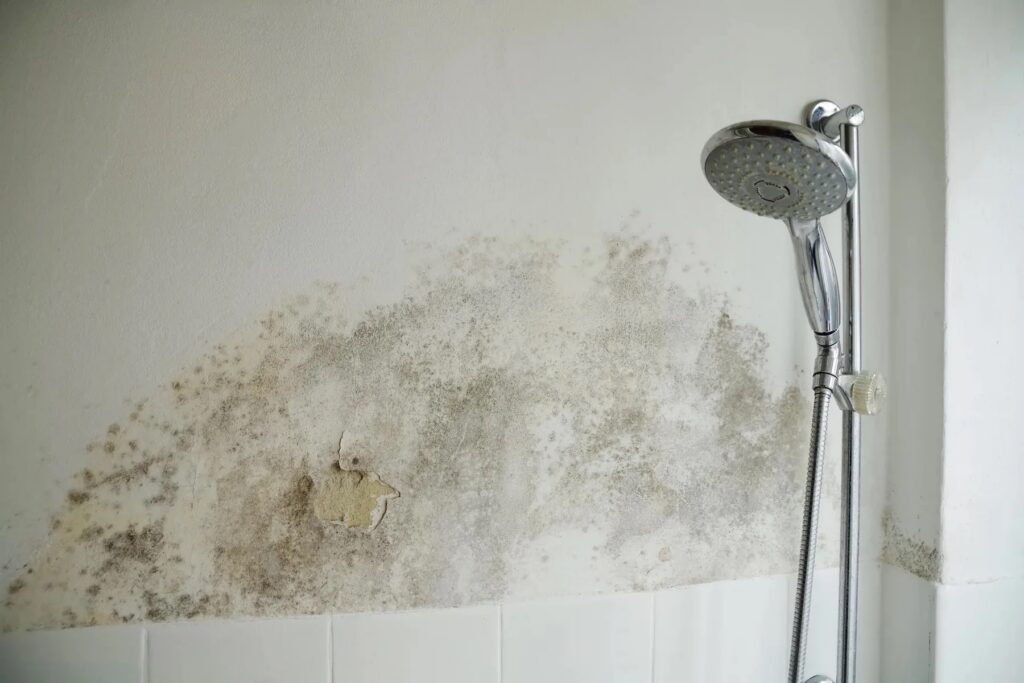
According to guidance from the Environmental Protection Agency (EPA), mold can begin to grow on damp surfaces within 24 to 48 hours. In our warm, humid coastal climate, this biological timeline is especially strict.
If water-damaged materials—such as carpets, drywall, or soft furnishings—are not thoroughly and professionally dried within this window, microscopic mold spores will begin colonizing the area. Early signs of a mold issue include persistent musty odors, visible dark spots on baseboards, and increased allergy-like symptoms for the occupants. Stopping mold before it starts is the primary reason why rapid water extraction and structural drying are so critical.
Why Professional Water Damage Restoration Matters
While mopping up visible puddles and running a box fan are helpful first steps, they are rarely enough to fully resolve a significant water event. Even when surfaces feel dry to the touch, hidden moisture often remains inside structural cavities.
Professional restoration companies follow strict industry guidelines, such as the ANSI/IICRC S500 standard for professional water damage restoration. Certified technicians use specialized tools, including thermal imaging cameras and penetrating moisture meters, to map the exact migration path of the water.
By bringing in high-capacity air movers, commercial-grade dehumidifiers, and advanced extraction units, professionals can manipulate temperature and airflow to draw trapped moisture out of complex building materials, saving your drywall, hardwood floors, and subflooring from permanent ruin.
Need Help with Water Damage in Charleston?
If your home experiences a sudden leak or flood, acting quickly within the first 24 hours will help minimize expensive repairs, reduce the loss of personal property, and protect your family from the health risks associated with mold.
When the job is too big to handle safely on your own, you need a team you can trust. PuroClean of Charleston is available 24 hours a day, 7 days a week to respond to your property emergency.
Our certified technicians provide comprehensive water damage restoration services, including emergency extraction, targeted structural drying, and preventative mold treatments. If you are dealing with water damage in Charleston or the surrounding Lowcountry, do not wait for the problem to multiply. Call PuroClean of Charleston at (843) 972-4200 for expert assistance.