

Table of Contents
Mold problems can be a hidden menace in rental properties, causing various health-related issues and structural damage if left unchecked. Knowing how to identify, address, and prevent mold in a rental property is crucial for maintaining a safe and healthy home as a tenant. In this comprehensive guide, we’ll examine closely the signs of mold, who is responsible for remediation, and the practical steps you can take to keep mold at bay.
Rental Unit Mold Indicators You Can Identify
Mold can be sneaky, often growing in hidden or hard-to-reach places. Here are some common indicators that your rental unit may have a mold problem:
Musty Odor
One of the first indicators of mold is a persistent, distinct smell. If you notice an earthy or damp odor that doesn’t go away with regular cleaning, it could be a sign of mold growth.
Visible Mold Growth
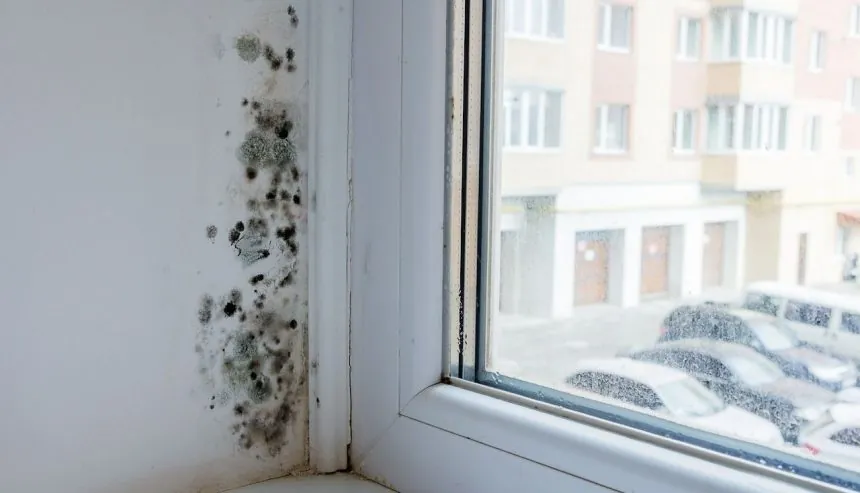
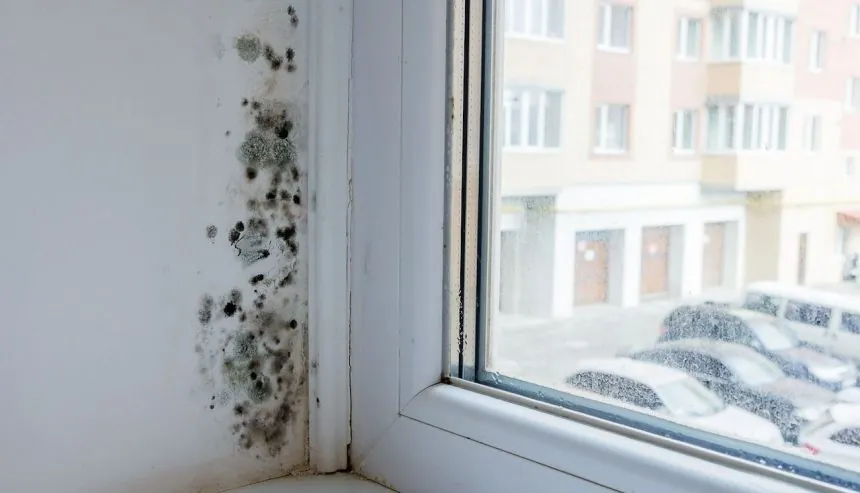
Mold can appear in various colors and textures, including black, green, white, or gray spots. Check areas prone to moisture, such as bathrooms, kitchens, and basements, for any visible signs of mold.
Water Stains or Damage
Water stains on walls, ceilings, or floors can indicate a moisture problem, often leading to mold growth. Look for discoloration or peeling paint, as these could be signs of water damage.
Allergic Reactions
Mold exposure can trigger allergic reactions, such as sneezing, coughing, itchy eyes, and skin rashes. If you or your family experience these health issues, especially at home, mold could be an underlying problem.
Condensation
Excessive condensation on windows, walls, or pipes can create a breeding ground for mildew or mold. If you notice frequent condensation, it may indicate a humidity problem that needs to be addressed. This could be controlled by using a dehumidifier to keep humidity at an acceptable level in the building.

If you notice a musty odor in your rental, investigate further.
Who’s Responsible for Mold Problems in a Rental Property?
Depending on the cause of mold growth, the landlord or the tenant is typically responsible for professional mold inspection and remediation in a rental property. Understanding who is accountable is essential for addressing the issue promptly and effectively.
If Your Landlord’s Negligence Caused the Mold
Landlords are generally responsible for maintaining the rental property in a habitable condition, which includes addressing any moisture problems that could lead to mold growth. Here are some scenarios where the landlord may be responsible for mold remediation:
- Leaking Roof or Plumbing. If mold growth is due to a leaking roof or plumbing issues that the landlord failed to repair, the landlord is responsible for remediation.
- Poor Ventilation. Inadequate ventilation in bathrooms, kitchens, or other areas can lead to mold growth. If the landlord has not provided adequate ventilation, they may be responsible for addressing the moisture-related problems causing the mold growth.
- Structural Issues. Problems with the property’s structure, such as foundation cracks or poor drainage, can cause moisture buildup that contributes to mold growth. If the landlord neglects these issues, they must handle the remediation and costs to correct the problem.
In such cases, tenants should promptly notify the landlord in writing of the mold problem and request corrective action, which can include mold testing and remediation. Documenting the issue with photos and keeping communication records can be helpful if further action is needed.

Document mold issues in your rental with photos if possible.
If Tenants Caused the Mold
Tenants may be responsible for mold remediation if their actions contributed to the mold problem. Here are some examples:
- Poor Housekeeping. Failing to clean up spills, leaving wet clothes or towels around, and not regularly cleaning can create conditions conducive to mold growth.
- Improper Use of Appliances. Improperly using humidifiers, air conditioners, or heaters can lead to excess moisture leading to conditions for mold growth.
- Blocking Vents. Blocking vents or not using exhaust fans in bathrooms and kitchens can prevent proper ventilation, leading to mold growth.
In these cases, tenants should immediately clean up the mold and address the underlying cause to prevent further growth. If the mold problem is severe, hiring a professional mold remediation service may be necessary.
How You Can Prevent Mold in a Rental Property as a Tenant
Preventing mold growth is vital before mold becomes a problem. Here are some practical steps tenants can take to keep mold at bay:
Control Humidity Levels
American Society of Heating, Refrigerating, and Air-Conditioning Engineers (ASHRAE) recommends maintaining indoor relative humidity levels between 30% and 50% to help reduce the potential for mold growth. Dehumidifiers and air conditioners can control humidity, especially in damp areas like basements.
Ensure Proper Ventilation
Ensure that your apartment is adequately ventilated. Use exhaust fans in bathrooms and kitchens, open windows when weather permits, and avoid blocking vents.
Clean Regularly
Regular cleaning can help prevent mold growth. Pay special attention to moisture-prone areas like bathrooms, kitchens, and windowsills. Use mold-killing products to clean surfaces and to avoid mold spores from taking hold.
Fix Leaks Promptly
Address any leaks or water damage immediately. Report any plumbing issues or roof leaks to your landlord as soon as you notice them, and ensure they are repaired promptly.
FAQs On How To Handle Mold In Your Rental
1. What should I do first if I discover mold in my rental?
Start by documenting the mold with photos or videos. Then, notify your landlord or property manager in writing as soon as possible, explaining where the mold is located and any related issues (like leaks or dampness). Keep copies of your communication for records. Avoid trying to remove large areas of mold yourself—small spots may be cleaned with household products, but bigger infestations need professional remediation.
2. Can I withhold rent if my landlord doesn’t fix the mold problem?
This depends on state or local laws. In many areas, tenants may have rights to withhold rent, pay for repairs and deduct the cost, or even break the lease if the property is uninhabitable. However, these actions can carry risks if not done correctly. Always check local tenant laws or seek legal advice before withholding rent.
3. How can I prevent mold growth in my rental unit?
Tenants can help reduce mold risks by:
- Using exhaust fans in kitchens and bathrooms
- Opening windows for ventilation
- Cleaning and drying spills quickly
- Avoiding indoor drying of clothes without ventilation
- Using a dehumidifier in damp areas
- Reporting leaks or water damage immediately
Prevention is a shared responsibility, so proactive steps help protect both you and the property.
4. What if my landlord ignores my mold complaint?
If your landlord doesn’t respond, escalate by sending a second written notice and keeping copies for your records. You may also contact your local housing authority or health department, which can inspect the property and enforce repairs. In severe cases, you may have legal grounds to terminate your lease. Keep detailed documentation of all communication and evidence of mold.
Contact Mold Remediation Professionals In Lake Norman
If you discover a significant mold issue in your rental property, it’s essential to seek professional help. IICRC (Institute of Inspection Cleaning and Restoration Certification) certified mold remediation professionals have the expertise and equipment to safely and effectively remediate mold and prevent it from returning. Here’s what to look for when hiring a mold remediation service:
Experience and Certification
Choose a company with experience in mold remediation and relevant certifications. Look for professionals certified by organizations like the Institute of Inspection, Cleaning, and Restoration Certification (IICRC).
Comprehensive Services
Ensure the company offers comprehensive services, including mold removal, inspection, and prevention. They should also provide a detailed plan to address the mold problem and prevent future growth.
Insurance and Guarantees
Verify that the mold remediation company is insured and their work is guaranteed. This can provide peace of mind and protection in case any issues arise during the remediation process.

A mold remediation professional can give you the peace of mind you need.
Mold in rental properties can be a severe and concerning issue, but tenants can effectively address and prevent mold growth with the proper knowledge and actions. By understanding the signs that can lead to mold growth, who is responsible for remediation, and taking proactive steps to keep mold growth at bay, tenants can maintain a safer and healthier living environment. If you encounter a significant mold issue, don’t hesitate to seek professional help to ensure the issue is resolved correctly.
Facing Mold in Your Rental? Call PuroClean of Lake Norman Today for Superior Mold Remediation Services!
If you’re dealing with a mold problem in your rental, don’t wait until it’s too late. PuroClean of Lake Norman offers professional mold remediation services to help you remove mold and prevent it from returning. Our experienced team uses advanced techniques to identify and eliminate any presence of mold, ensuring your property is safe and healthy. Contact us today at (704) 992-6046 to schedule a consultation and take the first step toward a mold-free environment.