

Table of Contents
HVAC mold is a common problem in Cornelius homes that can affect air quality, health, and your HVAC system’s efficiency. In this article, we explain what HVAC mold is, how to prevent it, and provide 10 actionable tips for homeowners. If mold is already present, we also highlight when to call in certified professionals like PuroClean of Lake Norman to handle safe and effective remediation.
What Is HVAC Mold?
HVAC mold refers to the growth of mold in your heating, ventilation, and air conditioning system. This can include air ducts, filters, evaporator coils, condensate pans, and other components where moisture can accumulate.
Homes in Cornelius, NC, experience varying humidity levels, especially in warmer months, which makes HVAC systems a prime environment for mold growth. When left untreated, HVAC mold can lead to health issues, unpleasant odors, and a drop in your system’s efficiency.
Why HVAC Mold Is a Concern
Mold in your HVAC system is more than just unsightly. It can:
- Reduce airflow and HVAC efficiency
- Trigger allergies, asthma, or respiratory issues
- Spread spores throughout your home
- Cause unpleasant musty odors
- Lead to costly HVAC repairs if left untreated
Early detection and proper maintenance are key to preventing significant problems.
10 Tips for HVAC Mold Removal and Prevention
1. Maintain Proper Indoor Humidity Levels
HVAC mold thrives in high humidity. Keeping your home’s humidity below 60%, ideally between 30% and 50%, can prevent mold growth. Use a hygrometer to monitor humidity, and consider dehumidifiers in damp areas like basements or attics.
2. Replace Filters Regularly
Dirty filters trap dust, moisture, and organic matter, providing a perfect breeding ground for mold. Replace HVAC filters every 1–3 months, or more often if you have pets, allergies, or notice a musty smell from vents.
3. Clean the Condensate Pan and Drain Lines
Standing water in the condensate pan or clogged drain lines is a major contributor to HVAC mold. Regularly inspect and clean these components to ensure proper water drainage and prevent mold buildup.
4. Seal and Insulate Ductwork
Leaky or uninsulated ducts can allow moisture to condense, creating a prime environment for mold. Inspect ducts for leaks, seal them with mastic or foil tape, and insulate where necessary to maintain consistent airflow and temperature.
5. Schedule Regular HVAC Maintenance
Professional HVAC inspections at least twice a year can identify mold issues before they become significant. Certified technicians can clean system components, check for leaks, and ensure your system is running efficiently.
6. Be Aware of Mold Warning Signs
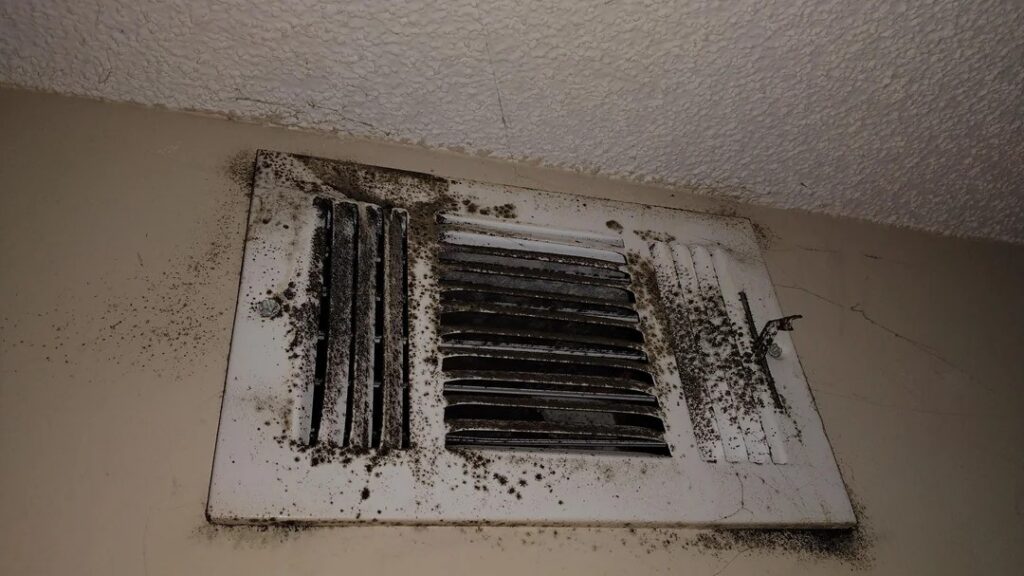
Watch for signs such as musty odors, visible mold around vents, water stains, or increased allergy symptoms when the HVAC system is running. Early detection allows for prompt remediation before the problem spreads.
7. DIY Mold Cleanup: Approach With Caution
For small mold patches, a mixture of water and detergent may help remove surface mold. However, avoid excessive scrubbing or chemicals that may release spores into the air. For larger infestations, professional mold remediation is strongly recommended.
8. Call Experts for Significant Mold Problems
If mold covers more than 10 square feet or causes health issues, contact professional mold remediation experts immediately. Certified technicians have the proper tools, protective gear, and experience to safely remove mold without spreading spores further in your home.
9. Choose Certified Mold Remediation Providers
Look for IICRC-certified (Institute of Inspection, Cleaning and Restoration Certification) professionals. Certification ensures adherence to industry standards, proper containment techniques, and safe mold removal practices.
10. Implement Preventative Measures Post-Remediation
After remediation, prevent future mold growth by:
- Maintaining proper indoor humidity levels
- Performing regular HVAC maintenance
- Addressing leaks or water intrusion immediately
- Cleaning air ducts periodically
Additional Tips for HVAC Mold Prevention
- Use UV-C Light Systems: UV-C lights installed inside HVAC units can kill mold spores and prevent growth on coils and drains.
- Inspect for Water Intrusion: Leaks from the roof, plumbing, or windows can cause moisture in ductwork. Address these issues promptly.
- Upgrade Air Filters: Consider HEPA filters for enhanced mold spore removal, especially if someone in your home has allergies or asthma.
FAQs About HVAC Mold in Cornelius, NC
Q1: How can I tell if my HVAC system has mold?
Look for musty odors, visible mold, or worsening allergy symptoms when the system is running.
Q2: Can I clean HVAC mold myself?
Minor mold may be cleaned, but large infestations require professional remediation to prevent spores from spreading.
Q3: How often should I have my HVAC system inspected?
Twice a year is ideal, especially before summer and winter, to maintain efficiency and prevent mold growth.
Q4: Will cleaning my HVAC system prevent mold?
Yes, when combined with humidity control, proper sealing, and regular maintenance.
Q5: Is HVAC mold dangerous to my health?
Prolonged exposure can trigger respiratory problems, allergies, headaches, and fatigue. Prompt remediation protects your family and pets.
Why Professional HVAC Mold Removal Matters
Attempting to remove HVAC mold without proper knowledge and equipment can worsen the problem, spreading spores through your home. Professionals like PuroClean of Lake Norman:
- Conduct thorough inspections
- Identify the root cause of mold growth
- Use advanced equipment for safe removal
- Ensure your air ducts and HVAC system are fully sanitized
- Offer guidance on prevention for long-term protection
Protect Your Home and Health
HVAC mold is a serious issue that can impact your home’s air quality, system efficiency, and your health. Don’t wait for symptoms to worsen, take proactive action today.
PuroClean of Lake Norman is your trusted local partner for HVAC mold removal. Our certified technicians are ready 24/7 to inspect, remediate, and prevent mold growth in your home or business. Protect your family and ensure your HVAC system is safe and efficient.
Call us now at (704) 992-6046 for professional HVAC mold removal services in Cornelius, NC, and surrounding areas.