 PuroClean of Davie
Mold Causes That Drive Indoor Growth in South Florida Buildings
Mold causes are often misunderstood, especially in South Florida where humidity, dense construction, and year-round building use create ideal conditions for growth. Mold does not appear randomly. It develops when moisture, organic material, and time intersect—and once those conditions exist, mold can begin growing within 24 to 48 hours.
Understanding what causes mold is essential for condominiums, commercial buildings, healthcare facilities, and mixed-use properties throughout Miami-Dade and Broward counties. Education is the first step toward prevention, faster response, and lower remediation costs.
Why Mold Is So Common in South Florida
South Florida’s climate creates a constant moisture challenge. High humidity levels, frequent rain, and warm temperatures mean buildings are always managing excess moisture. Even properties without visible leaks may experience mold growth if humidity and airflow are not properly controlled.
Add high occupancy, shared walls, and vertical construction, and moisture has many opportunities to collect in hidden spaces.
Cause #1: Excess Moisture and Humidity
The most common mold cause is excess indoor moisture. When relative humidity stays above 60 percent, mold spores can activate and spread without any obvious water event. Poor dehumidification, overworked HVAC systems, and sealed buildings all contribute to moisture buildup.
This type of mold growth often develops behind walls, under flooring, and inside ceiling cavities before it is ever seen.
Cause #2: Undetected Water Intrusion
Water intrusion does not need to be dramatic to cause mold. Slow roof leaks, window seal failures, plumbing drips, and façade cracks allow moisture to enter buildings gradually. Because these issues are often hidden, water can remain trapped long enough for mold to grow unchecked.
By the time staining or odors appear, contamination may already be widespread.
Cause #3: HVAC and Condensation Issues
HVAC systems are a major contributor to mold causes in South Florida. Condensation buildup, clogged drain lines, damaged insulation, or improperly sized systems can introduce moisture directly into walls and ceilings.
When moisture enters air circulation pathways, mold growth can spread beyond the original source and impact indoor air quality throughout the building.
Cause #4: Poor Ventilation and Airflow
Bathrooms, kitchens, laundry rooms, mechanical spaces, and storage areas require proper ventilation to remove moisture from the air. When airflow is limited, humidity settles into surfaces and building materials.
Poor ventilation allows moisture to linger, creating ideal conditions for mold growth even in areas that appear clean and dry.
Cause #5: Building Materials That Trap Moisture
Many common building materials absorb and retain moisture. Drywall, wood framing, insulation, carpet padding, and ceiling tiles are especially vulnerable. Once wet, these materials are difficult to dry completely without professional equipment.
If moisture remains trapped, mold growth becomes likely—even after surface drying.
Cause #6: Delayed Response to Water Damage
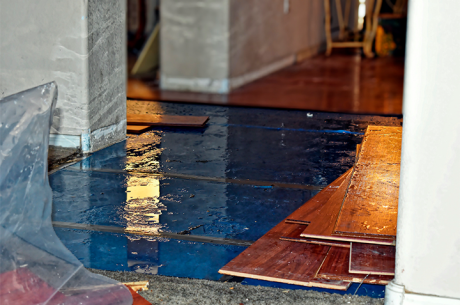
Time is one of the most critical factors in mold development. When leaks, overflows, or minor flooding are not addressed immediately, moisture spreads beyond the initial source.
A delayed response allows water to penetrate deeper into structural materials, significantly increasing the risk of mold growth and the scope of remediation required.
Cause #7: Ongoing Maintenance Gaps
Deferred maintenance plays a major role in mold causes. Aging plumbing, deteriorating seals, worn roofing components, and postponed repairs allow repeated moisture exposure over time.
Chronic moisture issues often lead to recurring mold problems if underlying conditions are not corrected.
Why Understanding Mold Causes Matters for Properties
Mold is not just a cosmetic issue. It affects indoor air quality, occupant health, property value, and insurance outcomes. Addressing mold without identifying its cause often leads to repeat issues and higher long-term costs.
For more information on how moisture contributes to mold growth, see the EPA’s guidance on mold causes and prevention in buildings:
https://www.epa.gov/mold/mold-course-chapter-1
This is where PuroClean of Aventura, Davie & Downtown Miami plays a critical role. Their certified teams don’t just remove mold—they identify moisture sources, contain affected areas, and restore environments safely and correctly. Proper remediation addresses both the mold and the conditions that caused it.
For more information on professional mold remediation as part of a full restoration strategy, visit:
https://www.puroclean.com/pa-fl/commercial-restoration/

 PuroClean of Davie