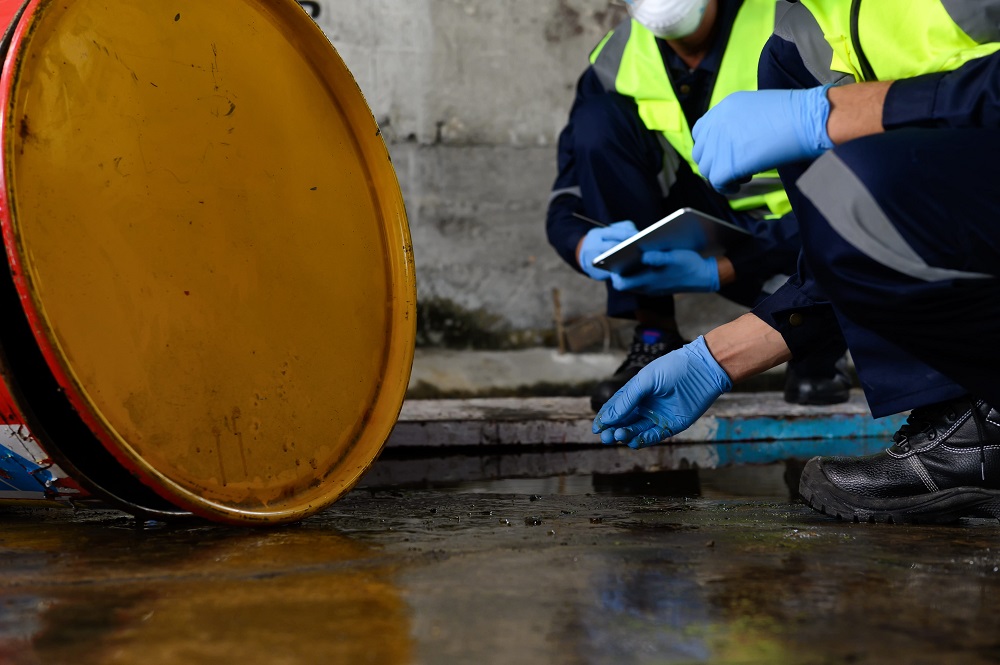
Commercial property damage can disrupt daily operations, affect employees, and create unexpected repair expenses. While the initial incident may be unavoidable, the damage that follows can often be reduced with the right response. Water left inside walls, lingering moisture, and untreated smoke residue can turn a manageable repair into a much larger restoration project.
Restoration professionals help commercial property owners address these risks quickly. By assessing the damage, controlling affected areas, and using appropriate restoration methods, they work to prevent secondary damage and help businesses return to normal operations.
What Is Secondary Damage in Commercial Buildings?
Secondary damage refers to additional deterioration that develops after the original incident. For example, a burst pipe may initially damage flooring and nearby equipment. If moisture remains trapped inside walls or under floor coverings, it can lead to swelling, material deterioration, and mold growth.
Similarly, a small roof leak may allow water to spread through ceiling materials and insulation. After a fire, soot and smoke residue can continue affecting surfaces if they are not addressed properly.
These problems may not be immediately visible. That is why professional assessment and timely restoration are important for commercial buildings.
How Restoration Professionals Prevent Secondary Damage
1. Conducting a Prompt Damage Assessment
The first step is understanding the extent of the damage. Restoration professionals inspect affected areas, identify visible problems, and look for signs of hidden moisture or other deterioration.
In commercial properties, this may include offices, storage rooms, retail spaces, warehouses, and shared building areas. Professionals also consider which parts of the building need immediate attention to reduce further damage.
A thorough assessment helps establish the appropriate restoration plan and prevents important problem areas from being overlooked.
2. Removing Standing Water and Controlling Moisture
Water damage can worsen when standing water remains inside a building. It may spread into flooring, wall cavities, furniture, and other porous materials.
Restoration teams use suitable water extraction equipment to remove accumulated water. They then assess affected materials to determine the drying methods required.
Quick water removal helps limit prolonged exposure to moisture. It can also reduce the likelihood of additional damage to building materials, inventory, and equipment.
3. Using Professional Drying Equipment
Removing visible water does not always mean a building is dry. Moisture can remain behind walls, beneath flooring, or inside insulation.
Restoration professionals use air movers, commercial dehumidifiers, and moisture detection tools to support the drying process. They monitor affected areas and adjust equipment as conditions change.
Proper drying is especially important in commercial buildings because hidden moisture can damage materials over time and create conditions that support mold growth.
4. Addressing Mold Risks Early
Mold can develop when moisture remains in suitable conditions. In humid South Florida, controlling moisture after water intrusion is particularly important.
Restoration professionals assess damp materials and address the underlying moisture problem. Depending on the extent of contamination and the materials involved, the response may include removing affected materials, cleaning suitable surfaces, and carrying out professional mold remediation.
Simply covering a damp area or painting over visible stains does not resolve the underlying problem. Effective restoration focuses on the source of moisture and the condition of affected materials.
5. Protecting Undamaged Areas and Business Assets
Secondary damage can affect areas beyond the original incident. Water may spread into adjoining rooms, while dust and debris from restoration work can affect nearby equipment or inventory.
Professionals can isolate affected areas, move salvageable contents when appropriate, and use protective measures to limit the spread of debris. They also assess which belongings may be suitable for cleaning or restoration.
For businesses, these steps help protect valuable assets and keep unaffected areas better separated from the damaged space.
6. Cleaning Smoke and Fire Residue Properly
After a fire, damage may extend beyond the area where flames were present. Smoke and soot can settle on walls, ceilings, furnishings, and equipment.
Restoration professionals assess the affected surfaces and select appropriate cleaning methods. Prompt attention helps prevent residue from remaining on materials longer than necessary and reduces the risk of improper cleaning causing further damage.
The specific approach depends on the type of residue, the materials involved, and the extent of the fire damage.
Why Quick Action Matters for Commercial Properties
Delaying restoration can allow damage to spread, increase repair requirements, and extend business interruptions. A timely response gives property owners a better opportunity to address affected materials before conditions deteriorate further.
Commercial property owners should prioritize safety, document visible damage, and contact qualified restoration professionals when the situation requires specialized equipment or cleanup. Employees should not enter unsafe areas until they have been assessed appropriately.
Conclusion
Preventing secondary damage is an essential part of commercial property restoration. Prompt assessment, effective water removal, professional drying, and appropriate cleaning can help limit further deterioration, protect valuable assets, and reduce business interruptions. For businesses in Deerfield Beach, Boca Raton, and nearby South Florida communities, PuroClean of Deerfield Beach provides property restoration services to help businesses recover from damage and return to normal operations as quickly and safely as possible.
Frequently Asked Questions
What is the most common cause of secondary damage in commercial buildings?
Uncontrolled moisture is a common cause, particularly after leaks, flooding, or plumbing failures. Moisture can damage building materials and create conditions that support mold growth.
How quickly should commercial water damage be addressed?
Water damage should be assessed as soon as it is safe to do so. Prompt action helps limit the time water remains in contact with building materials and belongings.
Can secondary damage occur even after standing water is removed?
Yes. Moisture can remain inside walls, insulation, and flooring after visible water has been extracted. Professional moisture assessment and drying help identify and address these hidden problems.
How can businesses reduce disruption during restoration?
Businesses can prioritize safety, document the damage, communicate with employees and tenants, and coordinate with restoration professionals on access and recovery plans.