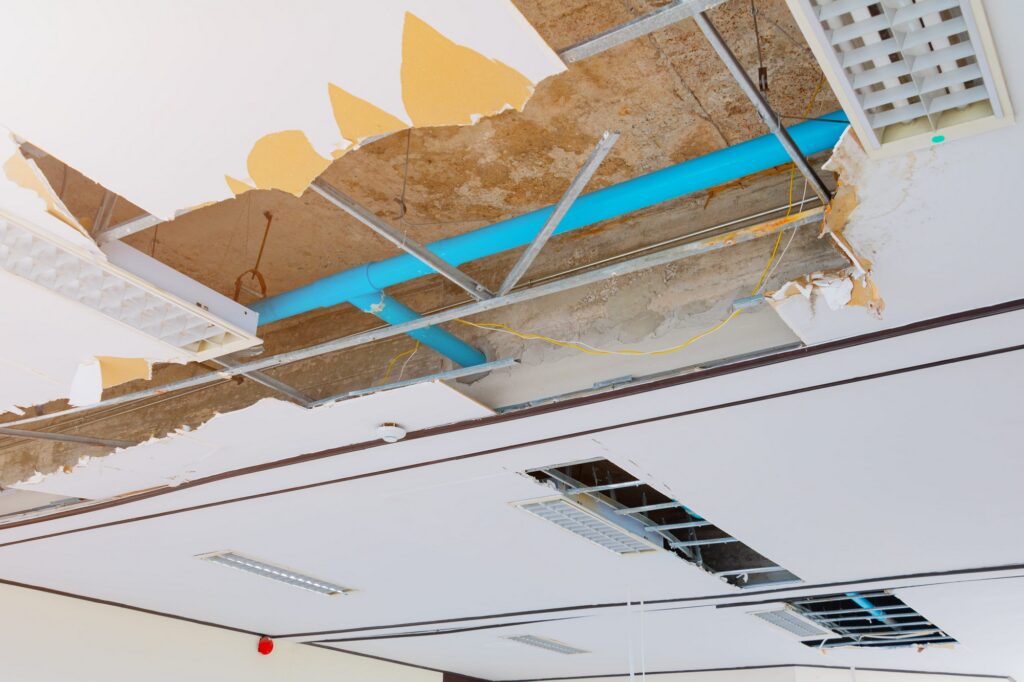
Water damage can create serious challenges for property managers, especially when it affects multiple units, shared spaces, or essential building systems. Burst pipes, plumbing leaks, and severe storms can disrupt daily operations and require immediate attention. In South Florida, heavy rainfall and hurricane season can also increase the risk of water intrusion.
A water damage emergency plan helps property managers prepare before an incident occurs. It outlines staff responsibilities, emergency contacts, safety procedures, tenant communication, and restoration arrangements. Having these details documented makes it easier to coordinate a response and protect building occupants.
Essential Elements of a Water Damage Emergency Plan
An effective water damage emergency plan should give property managers and maintenance teams clear instructions for handling unexpected incidents. It should include essential building information, emergency contacts, staff responsibilities, and procedures for protecting tenants and limiting property damage.
Assign Emergency Roles and Responsibilities
Clearly define who will manage different tasks during a water damage incident. Designate an emergency coordinator to oversee the response, contact property owners, and arrange professional assistance.
Maintenance staff should know how to locate the water source and shut off the supply when safe. Assign backup personnel to ensure responsibilities are covered if someone is unavailable.
Identify Primary and Backup Contacts
Maintain an updated contact list of licensed plumbers, electricians, restoration professionals, maintenance teams, insurance representatives, and property owners. Include utility providers and emergency services for situations involving immediate safety risks.
Keep digital and printed copies so staff can quickly access important information during an emergency. Review the list regularly to ensure contact details remain accurate.
Document Water Shutoff Valve Locations
Record the locations of main water shutoff valves and individual valves serving separate units or building sections. Include photographs, diagrams, and instructions for accessing them.
Identify employees authorized to operate the valves. Having this information readily available can help limit water damage when pipes burst or plumbing connections fail.
Include Building Layouts and Utility Information
Keep updated floor plans showing individual units, common areas, mechanical rooms, electrical panels, plumbing access points, and utility shutoffs. Larger properties should also document elevators, drainage systems, and water heaters.
These details help maintenance personnel and restoration contractors locate important systems quickly. Make sure the documents are accessible to authorized staff members when an emergency occurs.
Establish Emergency Reporting Procedures
Explain how tenants and employees should report water damage. Reports should include the affected location, possible water source, time of discovery, and whether water is still spreading.
Establish procedures for recording photographs, incident details, contractor visits, and repair updates. Organized records can also help property managers coordinate repairs and support insurance claims.
Prepare a Tenant Notification and Evacuation Process
Create a reliable communication system for notifying tenants about affected areas, safety concerns, and repair updates. Specify whether updates will be shared through phone calls, text messages, emails, or building notices.
Include instructions for avoiding flooded areas and explain when evacuation or temporary relocation may be necessary. Clear communication helps tenants understand what to do while property managers coordinate the response.
Include a Professional Restoration and Recovery Plan
Property managers should identify a qualified restoration company before an emergency occurs. Having an established contact makes it easier to arrange assistance when significant leaks or flooding affect the property.
The plan should cover professional water damage restoration, including water extraction, moisture assessment, structural drying, and cleaning. Restoration professionals can use specialized equipment to remove standing water, identify hidden moisture, and dry affected building materials.
Property managers should also document damage through photographs, inspection reports, and repair estimates. If moisture remains in building materials, conditions may develop that encourage mold growth. The plan should include appropriate inspections and access to professional mold remediation when necessary.
Finally, establish procedures for approving repairs, monitoring restoration progress, and confirming that affected areas are suitable for reoccupation. Keeping these steps organized helps property managers coordinate the recovery process.
Conclusion
A well-prepared water damage emergency plan gives property managers a clear framework for handling unexpected leaks, plumbing failures, and flooding. Assigning responsibilities, maintaining emergency contacts, documenting building systems, and preparing tenant communication procedures can make a significant difference during an incident.
By arranging professional restoration support and reviewing emergency procedures regularly, property managers can protect building occupants, coordinate repairs, and manage water damage more effectively.
Frequently Asked Questions
1. Why should property managers have a water damage emergency plan?
An emergency plan helps property managers respond quickly, assign responsibilities, communicate with tenants, and arrange professional assistance while reducing confusion during an incident.
2. What should tenants do when they discover a water leak?
Tenants should report the leak to property management immediately and provide details about its location and severity. They should avoid affected areas if electrical hazards or other safety concerns are present.
3. How can property managers prepare for water damage during hurricane season?
They can inspect roofs, plumbing systems, and drainage areas before storm season. Keeping emergency contacts updated and reviewing evacuation and communication procedures can also improve preparedness.
4. When should property managers contact a water damage restoration company?
They should contact restoration professionals when significant standing water, hidden moisture, or damage to building materials requires specialized assessment and cleanup.
5. How often should a water damage emergency plan be updated?
Property managers should review the plan annually and whenever building layouts, staff responsibilities, emergency contacts, or maintenance procedures change.