 PuroClean of Elkton
Table of Contents
Mold comes in many textures and colors, but they all have a few things in common — they grow in moist areas, they feed on organic matter, and can pose a threat to your health. Green mold, in this sense, is no different. So, have you recently wondered what it is and if it’s dangerous? Here’s what you should know about green mold that grows in homes.
What is green mold?
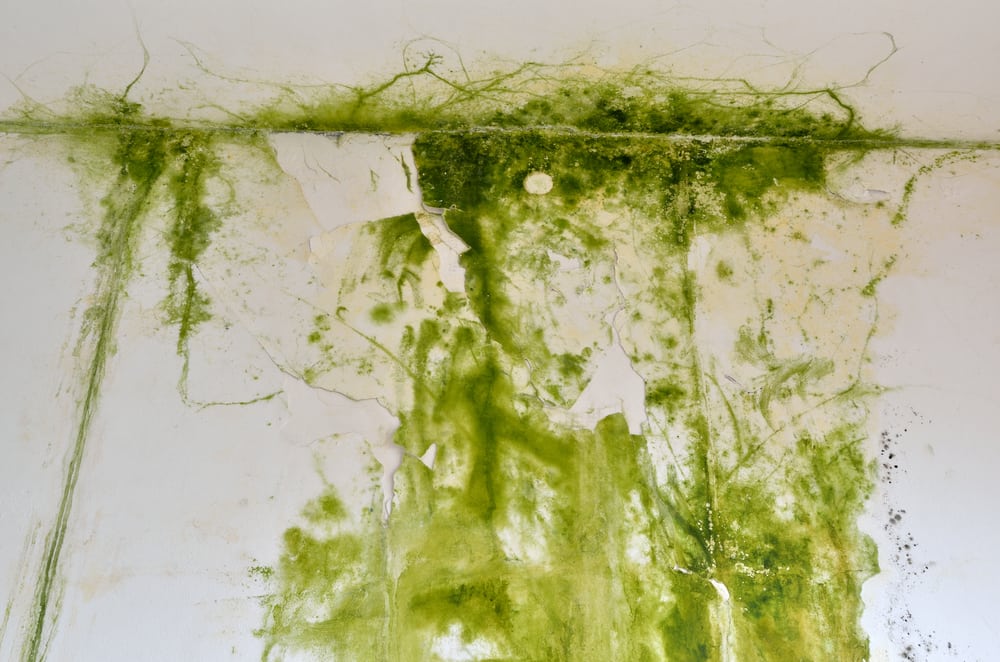
Green mold is an umbrella term that refers to different species of fungi that grow in shades of green. It appears soft and fuzzy or powdery and can have different hues of green. You may have seen green mold on fruits, bread, and many other foods. However, green mold can also grow in wet areas of a home.
Although many species of mold can grow green, the most common are Cladosporium, Aspergillus, and Penicillium.
- Cladosporium is olive green and thrives on plants in particular, but can also grow on household surfaces like walls, cabinets, and carpets.
- Aspergillus is the mold that typically grows on spoiled food like bread. It can also grow on nutrient-poor but moisture-rich environments like the basement.
- Penicillium is famous for its antibacterial properties and is usually bluish-green. However, it can also emit mycotoxins that are toxic to both people and pets. Penicillium prefers colder environments like soil, but some also form on wet items in the home.
However, these molds can grow in other colors as well, such as blue or black. Thus, testing is the only way to find out which type of mold it is. That’s not to say that you should always test the mold in your home to determine whether it’s harmful.
Is green mold dangerous?
Contrary to popular belief, black mold is not the only harmful mold for people and pets. While black mold may seem more dangerous, its green counterpart is just as likely to cause health issues.
All molds — green, black, or other colors — can cause health problems, especially in susceptible people. Continuous exposure to mold can affect the respiratory system and trigger asthma attacks and allergens. So yes, if you see green mold, you should remove it as soon as possible.
This kind of fungus can grow anywhere in your home where a water problem has occurred. Check out how to prevent mold in the crawl space, basement, bathroom, laundry room, attic, as well as in houseplant soil, the HVAC system, closets, carpets, and washing machines.
For expert mold removal, contact PuroClean of Elkton
If removing this kind of fungus seems daunting to you, it’s because it is. Mold can not only affect your health, but you can also risk doing a poor job, resulting in a more massive mold infestation. The best way to get rid of mold is to contact professionals such as PuroClean of Elkton. We have the experience, techniques, and equipment necessary to remediate the mold, dry your property, and return it to normal.
Call us on (888) 787-7876.
Q1: What is green mold?
A1: Green mold is a common term for several types of mold, often including Cladosporium, Aspergillus, or Penicillium. These molds appear green due to their spores and can grow on walls, ceilings, carpets, and damp surfaces.
Q2: Is green mold dangerous to my health?
A2: Yes, in some cases. While not all green molds are toxic, prolonged exposure can cause allergy-like symptoms, respiratory irritation, and in rare cases, more serious health concerns, especially for people with weakened immune systems, asthma, or allergies.
Q3: How does green mold grow in homes or businesses?
A3: Mold thrives in damp, humid, and poorly ventilated areas. Common places include bathrooms, basements, kitchens, and areas affected by water damage or leaks.
Q4: Can I remove green mold myself with bleach or household cleaners?
A4: Cleaning surface mold with bleach may temporarily remove visible growth, but it won’t eliminate hidden mold colonies or spores. Professional remediation is recommended to fully address the problem and prevent regrowth.
Q5: How can I tell if the mold in my home is green mold or another type?
A5: Mold can appear in various colors—green, black, white, or yellow. A professional inspection and testing can identify the exact type of mold and determine the right remediation steps.
Q6: Does green mold damage property?
A6: Yes. Over time, mold can weaken drywall, wood, flooring, and other building materials, leading to structural damage if left untreated.
Q7: How does PuroClean of Elkton handle green mold removal?
A7: Our team follows industry-standard protocols, including containment to stop mold spread, HEPA filtration, safe removal of contaminated materials, and advanced cleaning techniques to restore affected areas.
Q8: How long does green mold remediation take?
A8: The duration depends on the severity of the mold growth and the size of the affected area. Small areas may take just a day, while larger infestations may require several days of remediation.
Q9: Will mold come back after remediation?
A9: If moisture problems remain, mold can return. PuroClean not only removes mold but also identifies and addresses the source of excess moisture to reduce the risk of regrowth.
Q10: Is mold remediation covered by insurance?
A10: Coverage varies. Some insurance policies cover mold remediation if it results from a covered water damage event. We can work directly with your insurance company to determine your coverage.
 PuroClean of Elkton