


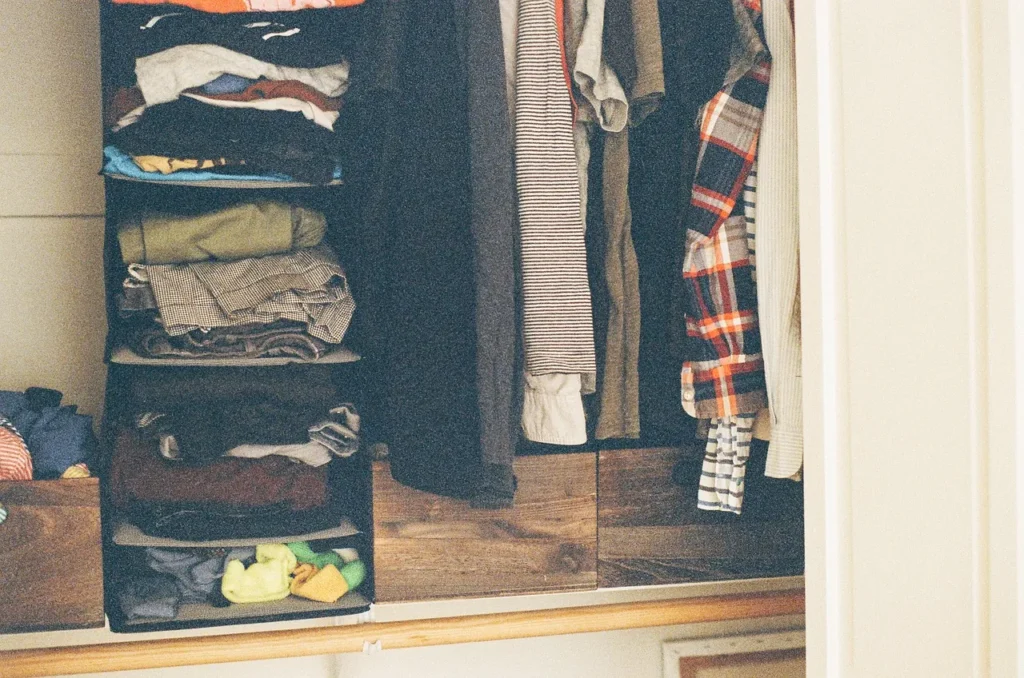
Knowing how to prevent mold in closets comes down to controlling moisture, improving airflow, and storing items properly. Dry clothes, good ventilation, and humidity management are the most effective ways to stop mold from forming in closets before it starts.
Why Closets Are Prone to Mold Growth
Closets are enclosed spaces with limited airflow, which makes them especially vulnerable to mold in closets. Mold spores are naturally present in indoor and outdoor air, but they only grow into colonies when moisture and suitable materials are present.
Closets often contain conditions that encourage closet mold growth, including:
- Poor air circulation
- Organic materials like clothing, shoes, cardboard, and wood
- Darkness and limited ventilation
- Moisture from damp clothes or high indoor humidity
When moisture lingers, mold spores can settle and grow, leading to moldy clothes, musty odors, and damaged belongings.
Is Mold in Closets a Common Problem?
Yes, mold in closets is a common issue in many homes, especially those with high humidity or limited ventilation. Closets on exterior walls, near bathrooms, or in basements are particularly at risk.
Early warning signs often include:
- Musty or damp smells
- Clothes that feel cool or slightly damp
- Discoloration on walls, shelves, or fabrics
Addressing these signs early is a key part of how to prevent mold in closets long-term.
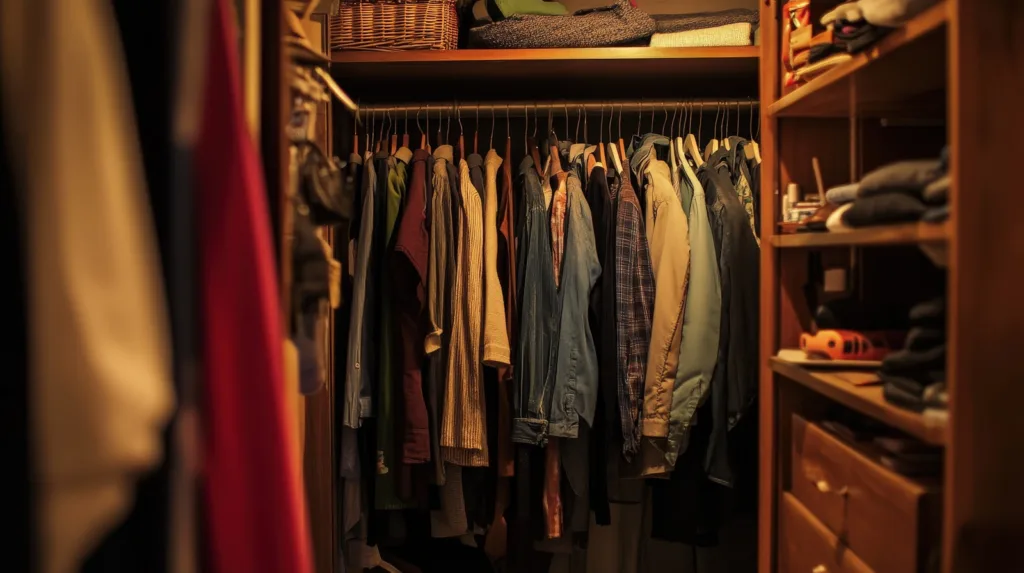
How to Prevent Mold in Closets Step by Step
Preventing mold growth in closets requires consistent habits that reduce moisture and improve airflow.
1. Ensure Clothes Are Completely Dry
Never store damp clothing, towels, or shoes. Even small amounts of moisture can trigger mold in closets and lead to moldy clothes.
2. Store Only Clean Clothing and Items
Dirt, oils, and organic residue can feed mold. Storing only clean items helps reduce the risk of closet mold.
3. Avoid Overpacking Closets
Overcrowded closets restrict airflow. Leaving space between items allows air to circulate and helps prevent mold in closets.
4. Use Breathable Storage Materials
Sealed plastic bins can trap moisture and increase the risk of mold in closets if items are not completely dry. To help prevent mold growth in closets, only store fully dried contents in plastic containers and keep them in a low-humidity, well-ventilated environment.
5. Keep Items Off the Closet Floor
Closet floors can trap moisture, especially in basements. Using shelves or hanging systems helps prevent mold in closet corners.
6. Choose Ventilated Shelving
Plastic-coated wire shelving allows air to move freely, reducing condensation and helping prevent mold in closets.
7. Improve Air Circulation
Leave closet doors open periodically. Louvered or vented doors improve airflow and reduce humidity that leads to closet mold growth.
8. Manage Indoor Humidity
High indoor humidity directly contributes to mold in closets. Avoid opening closets during activities that generate moisture, such as showering or cooking.
9. Use Gentle Heat When Needed
If used, low-wattage light bulbs can be effective in supporting efforts to prevent mold in closets. They must be installed safely, kept clear of stored items, and comply with fire safety guidelines.
10. Clean Closets Regularly
Periodic cleaning removes dust and moisture buildup. Empty closets occasionally, wipe surfaces, and allow them to air out fully to discourage mold growth in closets.
11. Control Whole-Home Humidity
If humidity is a persistent issue, use air conditioning or a dehumidifier. Managing indoor moisture is one of the most effective ways to prevent mold in closets throughout the home.
12. Address Musty Smells Immediately
Musty odors often indicate hidden moisture or early closet mold. Remove items, dry the space thoroughly, and correct the moisture source before returning belongings.
How to Remove Mold in Closets Safely
Understanding how to prevent mold in closets also means knowing how to respond when mold appears.
Identifying Mold in Closets
Mold in closets may appear as black, green, white, or gray spots on walls, shelves, or clothing. A persistent musty smell is often the first sign, even before visible growth appears.
Acting quickly helps limit the spread and reduce potential health risks.
Cleaning Moldy Closets
To clean safely:
- Empty the closet completely
- Inspect all items for mold
- Discard items with severe damage
- Clean lightly affected items separately
For tougher mold on non-porous surfaces, a diluted bleach solution may be used. Bleach should not be used on porous materials like drywall or wood, where it may not fully eliminate mold growth. Always wear gloves and a mask to reduce exposure to mold spores.
Porous materials such as cardboard, particleboard shelving, or heavily contaminated fabrics may need to be discarded, as mold can penetrate beyond the surface.
Dry all surfaces thoroughly using fans or a dehumidifier. Moisture left behind can allow mold in closets to return.
Removing Musty Odors
Wash affected clothing with white vinegar or baking soda to neutralize odors. Ensure all items are completely dry before placing them back in the closet.
Ventilating the space after cleaning helps eliminate lingering moisture that contributes to closet mold growth.
DIY Prevention vs. Professional Mold Remediation
DIY methods work well for mild cases of mold in closets, but professional mold remediation is recommended if:
- Mold keeps returning despite prevention efforts
- Mold is growing on wood framing or drywall
- Large areas of the closet are affected
- Strong musty odors persist
- You suspect moisture inside the walls
Professionals address both mold removal and the moisture source, which is essential for long-term prevention.
Frequently Asked Questions About How to Prevent Mold in Closets
Can mold in closets permanently damage clothing?
Yes. Mold in closets can stain fabrics, weaken fibers, and cause odors that are difficult to remove if not addressed quickly.
Why does mold keep coming back after cleaning?
Recurring mold usually means moisture is still present. Effective closet mold prevention requires fixing airflow, humidity, or hidden moisture—not just surface cleaning.
Are plastic storage bins bad for preventing mold in closets?
Sealed plastic bins can trap moisture and increase the risk of mold growth in closets. Breathable storage options are often safer.
Can a dehumidifier help prevent mold in closets?
Yes. Lowering indoor humidity is one of the most effective ways to prevent mold in closets, especially in humid climates or basements.
When should I call a professional for closet mold?
If mold in closets spreads, returns frequently, affects wood or drywall, or causes persistent odors, professional mold remediation is recommended.
Don’t Let Mold Take Over, Call the Pros at PuroClean
Mold on wood and structural materials inside closets can be difficult to remove completely. If mold covers a large area, returns repeatedly, or involves building materials, professional remediation is recommended to avoid spreading contamination.
If you’re dealing with ongoing mold or want expert guidance on how to prevent mold in closets long-term, PuroClean can help.
Contact your local PuroClean for professional mold remediation and moisture control services to protect your home, belongings, and indoor air quality.



