


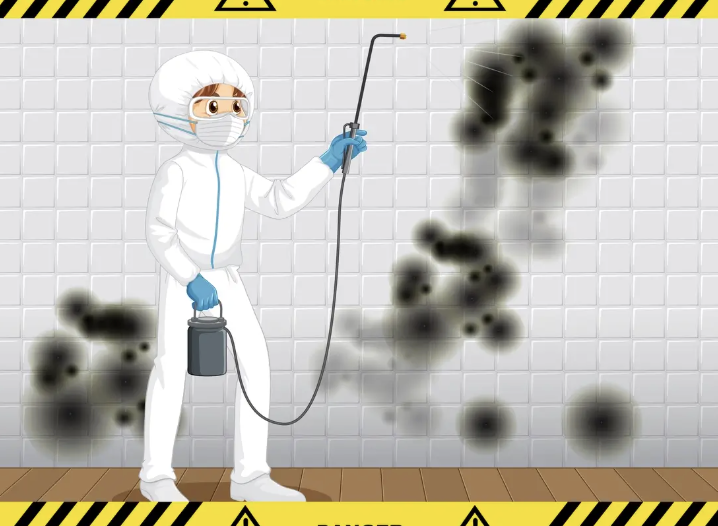
Mold Inspection vs. Mold Testing vs. Mold Remediation in Texas
Mold inspection, mold testing and mold remediation are related but different services. A mold inspection or assessment evaluates the property and defines the extent of a possible mold problem. Mold testing analyzes air or surface samples when sampling will provide useful information. Mold remediation contains, removes and cleans mold-contaminated materials according to an established scope.
Quick answer: An inspection looks for mold and moisture, testing collects samples for laboratory analysis, and remediation performs the actual containment and cleanup. Texas generally prohibits the same company from conducting mold assessment and mold remediation on the same regulated project.[1]
Table of Contents
- Inspection, Testing and Remediation Compared
- What Is a Mold Inspection?
- What Is a Texas Mold Assessment?
- What Is Mold Testing?
- When Is Mold Testing Necessary?
- What Is Mold Remediation?
- How Texas Mold Rules Affect the Process
- Protocol vs. Remediation Work Plan
- Post-Remediation Assessment and Clearance
- Texas Mold Project Timeline
- Which Service Do You Need?
- Related Arlington Mold Services
- Frequently Asked Questions
- References
Mold Inspection, Testing and Remediation Compared
| Service | Primary Purpose | Typical Activities | Result |
|---|---|---|---|
| Mold inspection | Look for visible mold, moisture and conditions that may support concealed growth | Visual inspection, building history, moisture evaluation and examination of suspected areas | Findings and recommendations for the next step |
| Texas mold assessment | Formally evaluate and define a regulated mold condition | Inspection, moisture investigation, optional sampling and development of a remediation protocol | Project-specific protocol defining the remediation requirements |
| Mold testing | Analyze selected air, surface or material samples | Sample collection, laboratory analysis and interpretation within the context of the building | Laboratory results and professional interpretation |
| Mold remediation | Contain and remove identified mold contamination | Containment, filtration, removal, cleaning, drying and disposal according to the work plan | Remediated work area ready for applicable clearance and repairs |
| Post-remediation assessment | Determine whether the completed project meets the protocol’s clearance criteria | Visual evaluation, document review and any clearance testing required by the protocol | Passed or failed clearance determination and applicable certification |
The terms are sometimes used interchangeably in everyday conversation, but they should not be treated as identical when planning a Texas mold project.
What Is a Mold Inspection?
A mold inspection is a physical evaluation of a building for visible growth, moisture, water damage and conditions that may support concealed mold. The inspector may ask about previous leaks, roof damage, plumbing failures, flooding, musty odors and areas where occupants have observed recurring discoloration.
An inspection may include:
- Reviewing the property’s water-damage history
- Examining visible staining or suspected mold
- Looking beneath sinks and around plumbing fixtures
- Checking walls, ceilings, baseboards and flooring
- Evaluating attic or crawl-space conditions
- Using moisture meters in suspected materials
- Looking for condensation or ventilation problems
- Identifying locations that may require further investigation
An inspection does not necessarily include laboratory sampling. The EPA states that visible mold is often the most important sign of a problem and that routine sampling is usually unnecessary when mold can already be seen.[2]
Inspection for Hidden Mold
An inspection may be especially valuable when a property has a persistent musty smell, previous water damage or recurring staining but no obvious source. Hidden mold can develop behind drywall, beneath carpet padding, above ceiling tiles, inside cabinets, around plumbing lines, and in wet attic or crawl-space materials.
Learn more about signs of hidden mold after water damage in an Arlington home.
What Is a Texas Mold Assessment?
Under Texas regulations, mold assessment is a professional service used to evaluate whether mold growth is present and determine its extent. A regulated assessment must be performed by a properly licensed mold assessment professional.
A licensed mold assessment consultant may:
- Evaluate visible and suspected mold conditions
- Investigate the underlying moisture source
- Determine the approximate locations and quantities of affected materials
- Conduct or supervise sampling when appropriate
- Establish remediation methods and containment requirements
- Define post-remediation clearance criteria
- Prepare the mold-remediation protocol
The assessment consultant is not simply identifying whether a dark spot is mold. The consultant defines what must be addressed and how successful completion will be evaluated.
What Is Mold Testing?
Mold testing involves collecting samples that are analyzed by a qualified laboratory. Common methods include air samples, surface swabs, tape lifts and bulk-material samples.
Testing may attempt to identify:
- Types of mold present in a sample
- Relative concentrations of airborne particles
- Whether selected surfaces contain fungal growth
- Conditions inside a suspected area compared with an outdoor or control sample
Testing results must be interpreted in context. A sample represents a particular location and moment in time. It does not independently identify the moisture source, full extent of concealed growth, or materials requiring removal.
The CDC does not recommend routine mold testing in homes. It explains that there are no health-based standards establishing an acceptable quantity of different mold types in residential air.[3]
When Is Mold Testing Necessary?
Testing is not automatically necessary simply because mold is visible. It is most useful when the results will affect the assessment, protocol, clearance criteria or another meaningful decision.
Testing May Be Appropriate When:
- Mold is suspected but cannot be located visually
- Several concealed areas may be involved
- A licensed assessor needs samples to define the protocol
- The source of an odor remains uncertain
- Legal or insurance documentation is required
- A regulated protocol specifies post-remediation sampling
- Different areas must be compared
Testing May Provide Limited Value When:
- Visible mold already confirms a moisture problem
- The material clearly requires removal regardless of species
- There is no plan for interpreting or acting on the result
- The water source has not been located or corrected
- A do-it-yourself kit is used without a building assessment
TDLR explains that identifying the species of mold in a residence is generally unnecessary. Finding and correcting the moisture source is more important because the problem can return while moisture remains.[4]
What Is Mold Remediation?
Mold remediation is the process of containing, removing, cleaning, sanitizing or otherwise treating mold-contaminated materials. Remediation also includes preventive activities specified for the remediated area.
A professional project may involve:
- Establishing containment
- Installing HEPA-filtered air equipment
- Protecting occupants and unaffected areas
- Removing contaminated porous materials
- Cleaning salvageable surfaces
- Bagging and disposing of removed materials
- Drying structural components
- Following the project-specific work plan
- Preparing the area for independent clearance
Remediation does not simply mean applying a chemical or painting over a stain. Texas consumer guidance says that applying bleach or another chemical to contaminated drywall without removing the mold source is not a permanent solution.[4]
For information about local services, visit mold remediation in Arlington.
How Texas Mold Rules Affect the Process
The Texas Department of Licensing and Regulation regulates mold assessment and remediation activities. Project requirements depend on the affected area, property type, person performing the work and applicable exemptions.
Independent Assessment and Remediation
Texas generally prohibits the same person or company from conducting both mold assessment and mold remediation activities on the same regulated project.[1] This separation reduces the conflict that could arise if one company both defined the remediation scope and profited from performing it.
The 25-Contiguous-Square-Foot Threshold
TDLR requires a mold-remediation notification when contamination affects at least 25 contiguous square feet and regulated remediation will be conducted.[5]
The 25-square-foot threshold should not be interpreted as a guarantee that a smaller area is harmless or appropriate for untrained cleanup. Texas also provides exemptions that depend on ownership and property type. Verify the current requirements with TDLR for the specific property.
Consumer Mold Information Sheet
Licensed mold assessors and remediators must provide the Consumer Mold Information Sheet to the client and property owner before beginning mold-related activity.[6]
Licensing and Insurance
Texas mold assessment and remediation companies must satisfy applicable licensing and insurance requirements. Consumers can verify a provider’s current license through TDLR before authorizing regulated work.
Mold-Remediation Protocol vs. Remediation Work Plan
The protocol and work plan serve different purposes.
| Document | Prepared By | Purpose |
|---|---|---|
| Mold-remediation protocol | Licensed mold assessment consultant | Defines affected areas, materials, containment, remediation methods and clearance criteria |
| Mold-remediation work plan | Licensed mold remediation contractor | Explains how the contractor will execute the protocol on the specific project |
The assessor defines what must be achieved. The remediator documents how the required work will be completed. Property owners should receive and review the applicable documents before remediation begins.
Post-Remediation Assessment and Clearance
After the remediation work is complete, the independent assessment consultant evaluates whether the project meets the protocol’s clearance criteria. The evaluation may include:
- Inspecting the containment area
- Confirming that specified materials were removed or cleaned
- Checking for visible mold and debris
- Reviewing whether the work followed the protocol
- Completing clearance sampling when the protocol requires it
- Determining whether the area passed or failed
A regulated project may also require a Certificate of Mold Damage Remediation. TDLR explains that the certificate documents whether the identified contamination was remediated and whether the underlying cause was corrected.[6]
Clearance is distinct from reconstruction. Drywall, insulation, flooring, trim and paint may still need replacement after remediation is complete. Related repairs may be available through property reconstruction services in Arlington.
Typical Texas Mold Project Timeline
- Moisture or mold is discovered. The property owner documents visible conditions and addresses active water intrusion.
- A qualified assessment is arranged. The assessor evaluates the building, affected materials and moisture source.
- Testing is performed when useful. Samples are collected only when they will inform the assessment, protocol or clearance process.
- The remediation protocol is prepared. The protocol defines the required work and clearance criteria.
- A remediation contractor prepares the work plan. The work plan explains how the protocol will be implemented.
- Required notifications are submitted. Applicable regulated projects are reported to TDLR.
- Containment and remediation begin. Contaminated materials are removed or cleaned according to the work plan.
- An independent post-remediation assessment occurs. The assessor determines whether the project passes clearance.
- Containment is removed. This occurs after applicable clearance requirements have been satisfied.
- Reconstruction is completed. Removed building materials and finishes are replaced.
The timeline varies based on project size, access, drying requirements, regulatory notification, laboratory turnaround, clearance and reconstruction.
Which Mold Service Do You Need?
Choose an Inspection or Assessment When:
- You smell mold but cannot locate it
- You see unexplained stains or recurring growth
- A previous leak was not professionally dried
- You need the extent of the problem defined
- A Texas remediation protocol may be required
Consider Testing When:
- The assessor determines sampling will influence the project
- The suspected condition remains concealed or uncertain
- Documentation or protocol requirements call for it
- Clearance criteria include post-remediation samples
Choose Remediation When:
- Assessment has identified materials requiring removal or cleaning
- The mold-remediation protocol has been prepared
- The underlying moisture source is being corrected
- Containment and specialized removal are necessary
Mold growth in an attic may require attic mold removal in Arlington. Growth beneath the property may require crawl-space mold remediation in Arlington.
Related Arlington Mold and Water-Damage Services
Mold frequently begins with unresolved water damage. Correcting the moisture source and drying the structure are essential parts of preventing recurrence.
- Mold Remediation Arlington – local mold-remediation service information.
- Attic Mold Removal Arlington – for mold associated with roof leaks, condensation and attic humidity.
- Crawl-Space Mold Remediation Arlington – for mold and moisture beneath the property.
- Burst Pipe Repair Arlington – for sudden plumbing failures and resulting water damage.
- Frozen Pipe Repair Arlington – for freeze-related plumbing failures.
- Storm Damage Restoration Arlington – for storm-related roof and water intrusion.
- Property Reconstruction Services Arlington – for repairs following completed remediation.
Frequently Asked Questions
Is a mold inspection the same as mold testing?
No. An inspection evaluates the building and moisture conditions. Testing collects samples for laboratory analysis. An inspection can be performed without testing.
Is mold testing required before remediation in Texas?
Not in every case. Testing may be used when it helps define the protocol or clearance criteria, but visible mold does not always require species identification.
Can a mold-remediation company perform the inspection?
Texas generally prohibits the same company from performing mold assessment and remediation on the same regulated project. Limited statutory exceptions may apply.
What is a mold-remediation protocol?
It is a project-specific document prepared by a licensed mold assessment consultant. It identifies affected areas and materials, remediation methods, containment and clearance criteria.
What is a mold-remediation work plan?
It is the remediation contractor’s plan explaining how the protocol will be implemented on the project.
Do home mold-testing kits provide reliable answers?
They may show that mold spores are present, but mold spores are naturally present indoors and outdoors. Without a physical inspection and professional interpretation, the result may provide little information about the source or remediation scope.
Does the color of mold identify how dangerous it is?
No. Mold color does not reliably determine potential health risk. Indoor mold should be addressed by correcting moisture and properly removing contaminated materials.
Does mold remediation include reconstruction?
Not automatically. Remediation removes and cleans affected materials. Replacement drywall, insulation, flooring, cabinetry and paint may be part of a separate reconstruction scope.
Who determines whether remediation passed clearance?
The independent mold assessment consultant evaluates the completed project against the protocol’s clearance criteria.
How much does mold inspection and remediation cost?
Costs depend on property size, number of suspected areas, sampling, affected materials, containment and reconstruction. Review the 2026 mold-remediation cost guide for Arlington for planning benchmarks.
References
- Texas Department of Licensing and Regulation. Mold Assessors and Remediators Frequently Asked Questions. Texas guidance concerning assessment, remediation, licensing and conflicts of interest. ↩
- United States Environmental Protection Agency. Mold Course: Evaluating Mold and Moisture. Federal guidance concerning visible mold, hidden mold and sampling. ↩
- Centers for Disease Control and Prevention. Mold Testing and Remediation. Guidance concerning routine air sampling and indoor-air standards. ↩
- Texas Department of Licensing and Regulation. Is Mold Testing Necessary? Texas consumer guidance regarding testing, moisture control and remediation. ↩
- Texas Department of Licensing and Regulation. Mold Remediation Notification Requirements. Texas notification requirements for applicable regulated projects. ↩
- Texas Department of Licensing and Regulation. Consumer Mold Information Sheet. Texas consumer information concerning protocols, work plans, clearance and certification. ↩