


7 Signs of Hidden Mold After Water Damage in an Arlington Home
Hidden mold after water damage may develop behind drywall, beneath flooring, above ceilings, inside cabinets, around plumbing lines, or within attic and crawl-space materials. Warning signs can include a persistent musty odor, recurring discoloration, peeling paint, warped materials, unexplained dampness, repeated surface growth, and symptoms that appear worse inside a particular area.
Quick answer: Suspect hidden mold when an Arlington home has a history of water damage and continues to smell musty, show stains, retain moisture, or develop recurring surface growth. The EPA specifically advises considering hidden mold when a building smells moldy but the source cannot be seen or when known water damage is followed by occupant concerns.[1]
Table of Contents
- Where Hidden Mold Can Grow
- 1. A Persistent Musty Odor
- 2. Water Stains or Discoloration
- 3. Peeling Paint or Bubbling Drywall
- 4. Warped, Soft or Swollen Materials
- 5. Persistent Moisture or Condensation
- 6. Mold That Returns After Cleaning
- 7. Symptoms Associated With a Damp Area
- What to Do When You Suspect Hidden Mold
- Do You Need Mold Testing?
- Texas Mold-Remediation Requirements
- How to Prevent Mold After Water Damage
- Related Arlington Services
- Frequently Asked Questions
- References
Where Hidden Mold Can Grow After Water Damage
Mold requires moisture and a material that can support growth. Water-damaged homes commonly contain paper-faced drywall, wood, insulation, carpet, fabric, dust and other materials that can retain moisture.
The EPA identifies several locations where mold may remain concealed:[1]
- Behind drywall, wallpaper and wall paneling
- Above ceiling tiles
- Beneath carpet and carpet padding
- Inside walls surrounding leaking or condensing pipes
- Behind furniture placed against damp walls
- Inside or around contaminated ductwork
- Within roof materials above a stained ceiling
- Inside cabinets surrounding plumbing fixtures
- Beneath flooring and subflooring
- Inside wet insulation
Water can travel beyond the visibly wet area. A ceiling stain may originate from a roof leak several feet away, while a plumbing leak can move downward through wall cavities and flooring. This is why evaluating the moisture pattern is often more useful than inspecting only the most obvious stain.
1. A Persistent Musty Odor
A persistent musty or earthy smell is one of the most recognizable signs of possible hidden mold. The odor may be noticeable even when no growth can be seen. It may also become stronger when the HVAC system operates, a cabinet is opened, or a closed room has remained undisturbed.
The EPA advises investigating areas that smell moldy or musty, particularly when there is a history of leaks or water damage.[2]
Pay particular attention to odors near:
- Bathroom vanities and plumbing access panels
- Kitchen sinks and dishwasher connections
- Laundry rooms and washing-machine supply lines
- Closets sharing a wall with plumbing
- Previously flooded rooms
- Air-conditioning equipment and supply vents
- Attic access points
- Crawl-space entrances
Odor alone does not identify the extent or species of mold. It indicates that the source should be investigated rather than covered with fragrance or paint.
2. Water Stains or Unexplained Discoloration
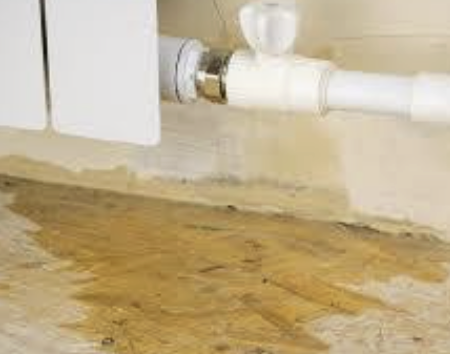
Yellow, brown or copper-colored staining may indicate that water has moved through a ceiling, wall or cabinet. Dark spotting, irregular discoloration, or marks that continue expanding can indicate that moisture remains active.
A water stain is not automatically mold. However, staining confirms that the material was wet at some point. Mold can grow on the back of the stained material or within surrounding insulation even when the exposed surface appears dry.
Check for discoloration:
- Around ceiling penetrations and light fixtures
- Below upstairs bathrooms
- Near windows and exterior doors
- Behind toilets and beneath sinks
- Under attic roof valleys
- Along baseboards and floor transitions
- Near water heaters and appliance supply lines
If staining appeared after wind, hail, or roof damage, the property may need storm damage restoration in Arlington. Temporary roof tarping services may help limit additional rain intrusion while permanent repairs are arranged.
3. Peeling Paint, Bubbling Drywall or Loose Wallpaper
Paint that blisters, bubbles or separates from a wall can indicate moisture behind the finish. Wallpaper seams may also lift when the wall surface remains damp. These changes can occur before visible mold reaches the exposed side.
Other warning signs include:
- Cracking or flaking paint around a previous leak
- Drywall tape separating at a joint
- Softened gypsum beneath the paint
- Wallpaper that darkens or releases from the wall
- Baseboards separating from the drywall
- New staining around a repaired area
Do not paint over a damp or moldy surface. The EPA recommends correcting the water problem before repainting.[3] Covering the surface can conceal the warning signs while moisture remains inside the assembly.
4. Warped, Soft or Swollen Building Materials
Materials change shape when they absorb water. Hardwood may cup, laminate flooring may swell at the seams, drywall can soften, and cabinetry may expand near the base. These changes suggest that water reached beneath or inside the visible finish.
Watch for:
- Buckled or cupped wood flooring
- Laminate seams that lift or swell
- Soft drywall near the floor
- Sagging ceiling materials
- Cabinet bases that expand or crumble
- Trim that separates from the wall
- Doors that begin sticking after a water loss
Porous materials can remain wet internally after the surface feels dry. Moisture trapped beneath flooring or behind drywall can create conditions that support concealed growth and material deterioration.
When warped materials developed after plumbing damage, review the local resources for burst pipe water damage in Arlington or frozen pipe repair in Arlington.
5. Persistent Moisture, Dampness or Condensation
Recurring condensation, elevated indoor humidity, or a wall that remains cool and damp can indicate an unresolved moisture source. Water may originate from plumbing, roof intrusion, HVAC condensation, insufficient ventilation or humid outdoor air entering the building envelope.
Possible warning signs include:
- Condensation repeatedly forming on windows or pipes
- A room that feels more humid than the rest of the house
- Wet insulation around HVAC equipment
- Moisture inside a cabinet or closet
- A wall that remains damp after the visible leak was repaired
- Persistent moisture beneath flooring
- High humidity in an attic or crawl space
The CDC recommends keeping indoor humidity no higher than 50% when possible and correcting roof, wall and plumbing leaks so mold does not have moisture available for growth.[4]
Attic condensation, roof leaks and wet insulation may require attic mold removal in Arlington. Moisture beneath a home may require crawl-space mold remediation in Arlington.
6. Mold That Returns After Surface Cleaning
Recurring spots may indicate that the material remains wet or that growth extends beneath the exposed surface. Cleaning the visible area without correcting the source of moisture can allow the condition to return.
Recurrence is particularly concerning when:
- Spots reappear in the same location
- The affected area grows after cleaning
- Discoloration appears on both sides of a wall
- Odor remains after the surface looks clean
- Drywall, insulation or carpet was previously saturated
- The leak was repaired but the assembly was never professionally dried
Texas consumer guidance states that mold growth is difficult to clean from absorbent materials such as drywall, carpet and insulation. Applying a chemical to contaminated drywall without removing the source is not considered an effective permanent solution.[5]
7. Symptoms Associated With a Particular Damp Area
Some people experience no effects in damp or moldy environments, while others may report nasal congestion, coughing, wheezing, burning eyes or skin irritation. People with asthma, mold allergies, weakened immune systems or chronic lung conditions may be more sensitive.[6]
Symptoms do not prove that mold is present or identify their cause. They should not be used as a substitute for a building assessment or medical evaluation. However, a recurring pattern—particularly when symptoms appear worse in a water-damaged room and improve away from that environment—may justify investigating the property.
Anyone concerned about possible health effects should speak with a qualified healthcare provider. Restoration contractors evaluate building conditions; they do not diagnose illnesses or determine whether a particular symptom was caused by mold.
What to Do When You Suspect Hidden Mold
Document the Water-Damage History
Record when the leak, flood or storm occurred, which areas became wet, how long the materials remained wet, and what drying or repairs were completed. Photograph stains, warped materials and visible growth.
Stop Active Water Intrusion
Repair the plumbing, roof, drainage, appliance or HVAC problem. Do not begin opening walls while water is still entering the structure.
Avoid Uncontrolled Demolition
Opening a contaminated wall or removing wallpaper can disturb hidden growth and release particles into the surrounding area. The EPA recommends caution when investigating concealed mold and suggests using an experienced professional when necessary.[1]
Check Adjacent Areas
Water may move downward, horizontally or through connected cavities. Inspect the room below, the opposite side of the wall, adjacent closets, cabinets and nearby flooring.
Arrange an Appropriate Assessment
In Texas, licensed mold assessment and remediation are separate services on a regulated project. The assessment defines the affected area and protocol; the remediator performs the work specified by that protocol.
Protect Sensitive Occupants
The CDC advises that people with weakened immune systems, chronic lung disease, asthma or significant mold allergies should avoid participating in mold cleanup.[7]
Do You Need Mold Testing?
Testing is not automatically necessary whenever visible mold or a musty odor is present. The CDC does not recommend routine home mold testing because there are no established health-based standards defining an acceptable concentration of mold in residential air.[8]
Testing or sampling may be useful when:
- The suspected source cannot be located
- The scope must be defined for a regulated project
- A licensed assessor determines sampling will affect the protocol
- Legal or insurance documentation is required
- Post-remediation clearance criteria include testing
- Several possible moisture sources must be evaluated
Testing results should be interpreted alongside a physical inspection, moisture readings, building history and the conditions that caused the problem. A laboratory result alone does not explain where moisture entered or which materials require remediation.
Texas Mold-Remediation Requirements
The Texas Department of Licensing and Regulation oversees licensed mold assessment and remediation. TDLR requires a remediation notification for applicable projects involving at least 25 contiguous square feet of contamination.[9]
For a regulated project:
- A licensed mold assessment consultant develops a project-specific protocol
- A licensed remediation contractor develops a work plan based on that protocol
- The assessor and remediator generally cannot be the same company on the project
- Containment, removal and cleaning must follow the protocol and work plan
- An independent post-remediation assessment may be required
- A Certificate of Mold Damage Remediation may be issued after successful completion
Texas provides exemptions for certain owners, buildings and limited project areas. Property owners should verify current requirements directly with TDLR rather than relying solely on the size of the visible growth.
How to Prevent Mold After Water Damage
The most effective prevention strategy is to remove water and dry affected materials quickly. The CDC recommends thoroughly drying a home within 24 to 48 hours after flooding when possible.[4]
- Stop the source of water
- Extract standing water promptly
- Remove saturated materials that cannot be dried
- Dry carpet padding as well as the visible carpet
- Use moisture readings to evaluate concealed materials
- Maintain indoor humidity at appropriate levels
- Repair roof and plumbing leaks
- Vent bathrooms, kitchens and clothes dryers outdoors
- Monitor attics and crawl spaces for recurring moisture
- Do not close walls or install new flooring over damp materials
If contaminated materials require removal, reconstruction should begin only after the moisture problem has been corrected and applicable remediation or clearance requirements have been completed. Learn more about property reconstruction services in Arlington.
Related Arlington Mold and Water-Damage Services
Hidden mold often overlaps with water mitigation, structural drying and repairs. These related services may help property owners identify the appropriate next step:
- Mold Remediation Arlington – the primary local resource for professional mold-remediation services.
- Attic Mold Removal Arlington – for hidden growth associated with roof leaks, condensation and wet insulation.
- Crawl-Space Mold Remediation Arlington – for moisture and mold beneath the property.
- Burst Pipe Repair Arlington – for sudden plumbing failures and resulting structural water damage.
- Frozen Pipe Repair Arlington – for freeze-related pipe failures and concealed water intrusion.
- Storm Damage Restoration Arlington – for wind, rain, roof and storm-related property damage.
- Odor Removal Services Arlington – for persistent property odors after the underlying source has been identified and addressed.
Industry resource: Damage Restoration Hero’s guide to restoration-industry content strategy explains how service-specific educational resources help property owners distinguish among water mitigation, mold remediation, specialized cleanup and reconstruction.
Frequently Asked Questions
How do I know whether mold is behind my walls?
Warning signs include a persistent musty odor, staining, bubbling paint, softened drywall, recurring surface growth and a history of water damage. Moisture evaluation or professional assessment may be needed to investigate without unnecessarily disturbing the wall.
How soon can mold grow after water damage?
The CDC recommends completely drying water-damaged materials within 24 to 48 hours when possible. If a flooded home could not be dried during that period, hidden mold growth should be considered possible.
Can mold grow when the wall surface feels dry?
Yes. The exposed surface can dry while insulation, framing, drywall backing or an enclosed cavity remains damp.
Does a musty smell always mean mold?
No, but a persistent musty odor indicates a moisture or material problem that should be investigated, particularly after a known leak or flood.
Can I use a moisture meter to find hidden mold?
A moisture meter can identify materials with elevated moisture, but it does not directly identify mold. Results should be evaluated with the building history, visual inspection and other project information.
Should I cut open the wall to look for mold?
Not without considering electrical, plumbing, contamination and containment risks. Opening a contaminated cavity can spread disturbed particles into the occupied area.
Does homeowners insurance cover hidden mold?
Coverage depends on the cause. Mold associated with a sudden and accidental covered water loss may receive some coverage, while gradual leaks, flooding, humidity and deferred maintenance are commonly excluded or limited.
Is black mold more dangerous than other mold?
Color does not reliably determine health risk. The CDC recommends addressing all indoor mold by removing the growth and correcting the underlying moisture source.
Can mold be painted over?
Painting over mold does not remove contaminated material or correct the water problem. The surface should be properly evaluated, remediated and dried before refinishing.
Who should I call for hidden mold in Arlington?
Contact a qualified restoration professional to discuss the water-damage history and determine the appropriate next step. Texas may require an independent licensed mold assessor to define the protocol before regulated remediation begins.
References
- United States Environmental Protection Agency. A Brief Guide to Mold, Moisture and Your Home. Federal guidance concerning hidden mold and concealed locations. ↩
- United States Environmental Protection Agency. Mold Course: Evaluating Mold and Moisture. Guidance concerning damp areas, musty odors and hidden growth. ↩
- United States Environmental Protection Agency. Interactive Mold House Tour. Consumer guidance concerning leaks, damaged walls, condensation and painting. ↩
- Centers for Disease Control and Prevention. About Mold. Guidance concerning moisture control, indoor humidity and drying after flooding. ↩
- Texas Department of Licensing and Regulation. Is Mold Testing Necessary? Texas consumer guidance concerning porous materials, visible mold and moisture correction. ↩
- Centers for Disease Control and Prevention. Health Problems Associated With Damp Buildings. Information concerning possible respiratory, allergic and irritation symptoms. ↩
- Centers for Disease Control and Prevention. Mold Cleanup Guidelines. Safety recommendations for people at increased risk from mold exposure. ↩
- Centers for Disease Control and Prevention. Mold Testing and Remediation. Guidance concerning routine sampling and indoor-air standards. ↩
- Texas Department of Licensing and Regulation. Texas Mold Remediation Notification Requirements. State guidance for applicable projects involving at least 25 contiguous square feet. ↩