 PuroClean Restoration Specialists
Water damage rarely looks serious at first. A wet bathroom floor. A slow drip under the sink. A ceiling stain that feels slightly soft. We hear from homeowners at this stage every day because they are unsure what to do next.
In Frisco and across North Texas, water can spread quickly inside a home. Moisture moves into walls, under flooring, and into insulation. Damage can continue even when surfaces appear dry. Water damage restoration is the process we use to stop the spread and address moisture inside the structure.
At PuroClean Restoration Specialists in Frisco, we respond around the clock with live support and clear communication, so homeowners understand what is happening and what comes next.
What Does Water Damage Restoration Mean?
Water damage restoration is the professional process we use to address water intrusion in a home. This process includes removing water, drying materials, cleaning and disinfecting affected areas, and repairing what cannot be saved. In the restoration world, two terms come up often.
Mitigation
Mitigation is the urgent work we perform to stop damage from spreading. This includes water extraction, setting drying equipment, and controlling humidity.
Restoration
Restoration is the recovery work we complete to return the property to a usable condition. This may include cleaning, deodorizing, rebuilding, and finishing repairs.
Water does not remain on the surface. It travels into building materials and structural spaces. Our drying process focuses on removing moisture from these areas so damage does not continue after visible water is gone.
Categories and Classes of Water Damage
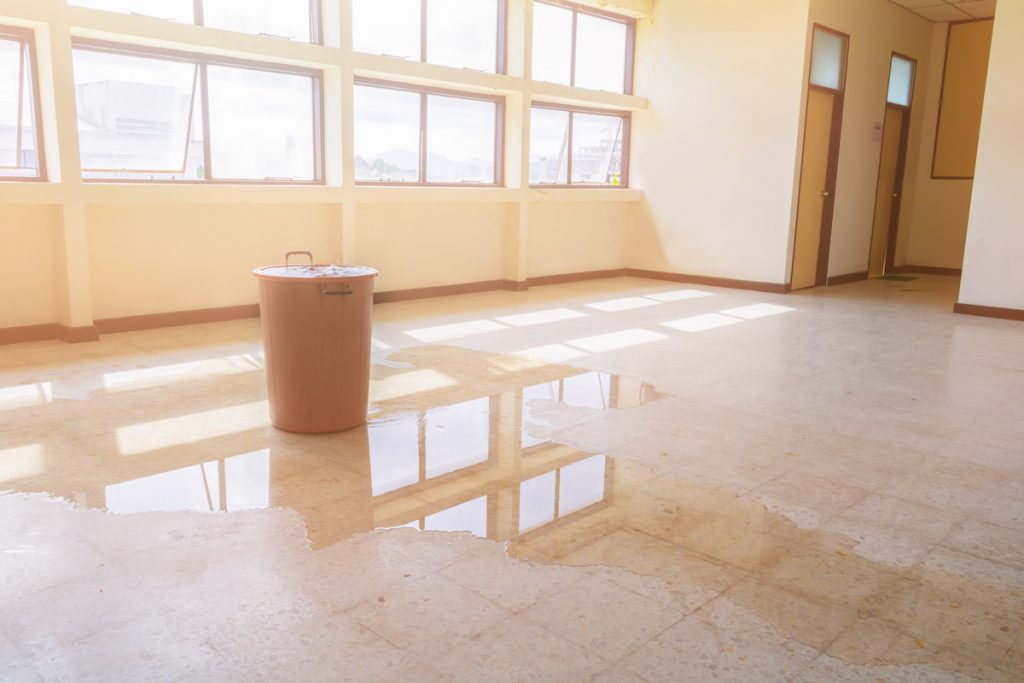
Homeowners often encounter technical terms while researching water damage. We use categories and classes as industry standards to assess conditions and plan the restoration process.
Water Damage Categories
Categories describe how contaminated the water is.
- Category 1: Clean water
Water from a clean source, such as a supply line. This water can become unsafe if it sits or comes into contact with building materials. - Category 2: Gray water
Water that may contain contaminants, often from appliances or plumbing systems. This category requires careful handling and proper disinfection. - Category 3: Black water
Grossly contaminated water, such as sewage backups or floodwater. This category requires strict safety procedures and controlled removal of affected materials.
If the source is unclear, we treat the water as contaminated. Toilet overflows, dishwasher leaks, and water that has been sitting for hours can increase risk levels quickly.
Water Damage Classes
Classes describe how far the water has spread and how difficult drying will be.
- Class 1
Limited moisture with minimal absorption.
- Class 2
Water has spread into surrounding materials such as padding or drywall.
- Class 3
Water has saturated walls, ceilings, or insulation.
- Class 4
Water has affected materials that are difficult to dry, including hardwood or plaster. Specialized drying methods are often required.
This is one reason household drying methods fall short. We use moisture-measurement tools to confirm conditions within materials, not just on the surface.
What Are the Steps of Water Damage Restoration?
Every loss is different, but the process follows a clear path. One important goal in water damage restoration is to stabilize the environment quickly so that damage stops spreading and materials can be saved when possible. That is the difference between replacing an entire floor and saving it, or opening one wall section versus rebuilding a whole room.
Here is how water damage gets fixed in a professional restoration workflow:
Emergency contact and fast dispatch
Water damage is time-sensitive. Our calls are answered live, so we can respond quickly.
Inspection and moisture mapping
We identify where water has traveled and which materials are affected. Categories and classes are confirmed during this step.
Water extraction
We remove standing water to reduce damage and support faster drying.
Drying and dehumidification
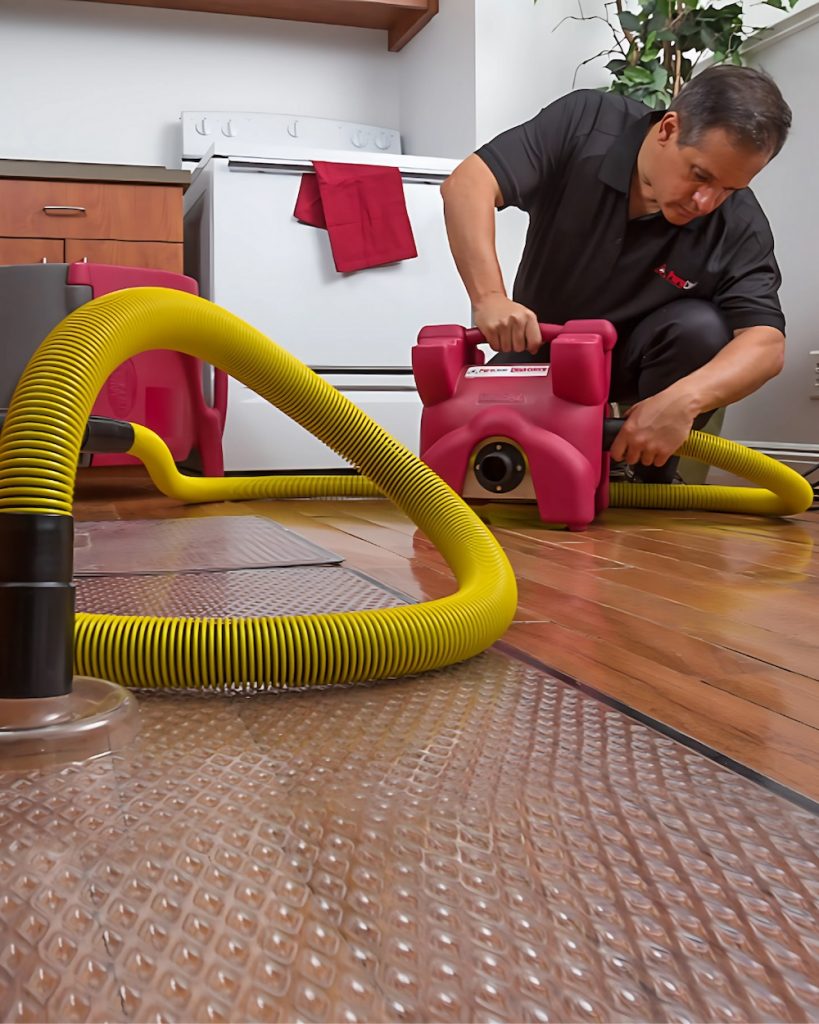
We use air movement and dehumidification to remove moisture from materials and the air.
Cleaning, deodorizing, and disinfection
We clean affected areas to address residue, odor, and contamination concerns.
Repair and reconstruction
When materials cannot be saved, we repair or replace them. Our reconstruction support helps return the home to a usable condition without unnecessary delays.
Throughout the process, you should expect clear communication. You should never feel in the dark about what is happening in your home.
Why Immediate Action Matters in North Texas Homes
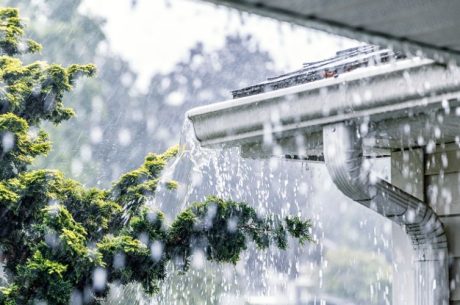
In Frisco and nearby communities, we often see water damage caused by plumbing failures, appliance leaks, or storms.
The first hours focus on stopping the spread of water. The next stage focuses on drying the structure. After that, moisture can remain trapped behind walls or beneath flooring, even when surfaces appear dry.
Our approach addresses the full affected area rather than only visible damage. This helps limit the repair scope and reduces the chance of future issues.
Get Clear Answers and Professional Help
Water damage does not resolve on its own. Moisture continues to move until it is properly controlled.
At PuroClean Restoration Specialists in Frisco, Jim Bauer and our team provide 24-hour emergency water damage restoration services. We bring decades of hands-on experience and proven drying methods to every job.
Call (469) 656-7000 any time, day or night, for 24/7 emergency water damage restoration and a team that treats your home with care from the first visit to the final repairs.

 PuroClean Restoration Specialists