


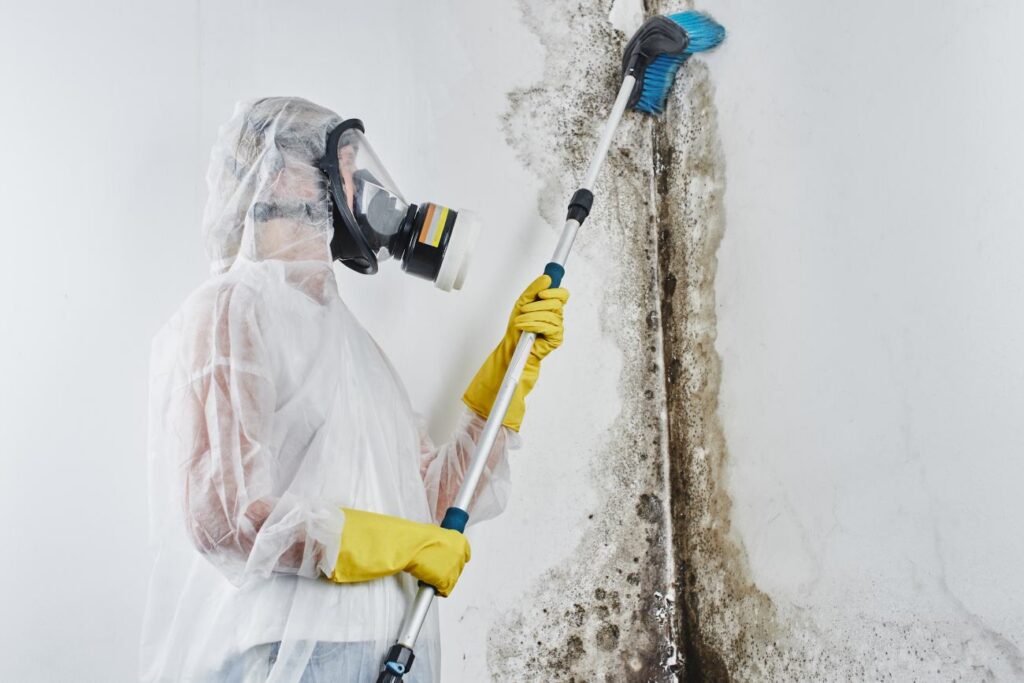
Discovering mold in your home can feel overwhelming, especially if you’re not sure what the remediation process involves. Many Fort Mill homeowners hesitate to call a professional simply because they don’t know what will happen once remediation begins. Understanding the steps involved can make the process far less stressful and help you feel confident you’re making the right decision.
A professional mold remediation follows a structured, safety-focused process designed to remove mold completely while preventing it from spreading to unaffected areas of the home.
Step 1: Initial Inspection and Assessment
The process begins with a thorough inspection of the property. A trained technician evaluates visible mold growth and checks common hidden areas such as crawl spaces, wall cavities, attics, and HVAC systems.
In homes throughout Fort Mill, inspections often focus on areas affected by humidity, past water damage, or poor ventilation. Moisture meters and visual assessments help determine the extent of the problem and identify the source of moisture fueling mold growth.
This step is critical, because mold remediation is ineffective unless the underlying moisture issue is addressed.
Step 2: Containment of Affected Areas
Once the mold-affected areas are identified, containment is set up to prevent spores from spreading during removal. This typically involves sealing off the work area using plastic sheeting and establishing controlled entry points.
Negative air pressure may be used to ensure air flows into the containment area rather than allowing spores to escape into the rest of the home. This is especially important when mold is located inside walls, crawl spaces, or near HVAC systems.
Proper containment protects both occupants and unaffected parts of the property.
Step 3: Air Filtration and Safety Measures
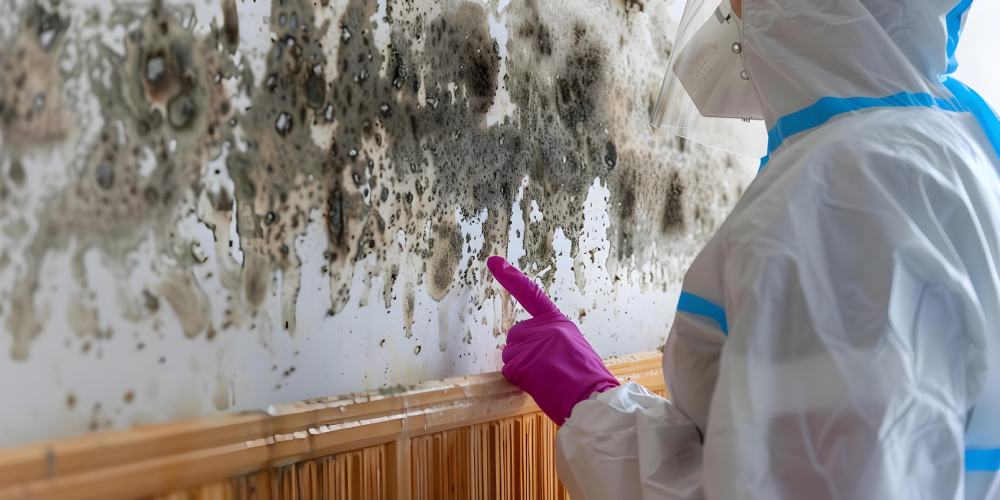
High-efficiency air filtration devices are placed within the contained area to capture airborne mold spores. These systems continuously clean the air during remediation and help improve indoor air quality.
Technicians also wear protective equipment to avoid direct exposure. These precautions are essential for preventing cross-contamination and ensuring the remediation process is carried out safely.
Step 4: Removal of Mold-Contaminated Materials
Mold removal depends on the type of materials affected. Non-porous surfaces may be cleaned and treated, while porous materials such as drywall, insulation, carpet, or ceiling tiles often need to be removed and disposed of.
This step is handled carefully to avoid spreading spores. All contaminated debris is sealed and removed according to industry standards.
Removing affected materials ensures that mold does not remain hidden beneath surfaces where it could continue to grow.
Step 5: Cleaning and Antimicrobial Treatment
After contaminated materials are removed, remaining surfaces are thoroughly cleaned using specialized equipment and professional-grade solutions. Antimicrobial treatments may be applied to inhibit future mold growth.
This step helps eliminate residual spores and creates an environment less favorable for mold to return. It also prepares the space for repairs or reconstruction if needed.
Step 6: Addressing the Moisture Source
Mold remediation is only successful if the moisture problem is resolved. Depending on the situation, this may involve repairing leaks, improving ventilation, addressing drainage issues, or recommending crawl space or humidity control solutions.
In Fort Mill homes, moisture issues are often tied to crawl spaces, roof leaks, plumbing failures, or seasonal humidity. Correcting these problems is essential to prevent recurring mold growth.
Step 7: Post-Remediation Verification
Once remediation is complete, a final inspection ensures that all mold-affected areas have been properly addressed. In some cases, clearance testing may be performed to confirm that mold levels have returned to acceptable ranges.
This final step provides peace of mind and confirms that the home is safe for occupancy.
How Long Does Mold Remediation Take?
The duration of mold remediation varies depending on the size and severity of the problem. Small, localized issues may take one to two days, while more extensive contamination can require several days or longer.
Factors that affect timeline include:
- Size of the affected area
- Location of mold growth
- Amount of material needing removal
- Repairs required to address moisture issues
A professional assessment provides a clear timeline before work begins.
What Homeowners Can Expect During the Process
During remediation, homeowners may be asked to limit access to certain areas of the home. Noise from equipment and temporary disruptions are normal, but these steps are necessary to ensure safe and effective removal.
Clear communication from the remediation team helps homeowners understand what’s happening at each stage and what to expect next.
Why Professional Remediation Matters
Mold problems are rarely solved with surface cleaning alone. Professional remediation addresses both visible mold and hidden contamination, while also resolving the conditions that allow mold to thrive.
By following a structured process, professional remediation protects your home, indoor air quality, and long-term property value.