 PuroClean of Fort Mill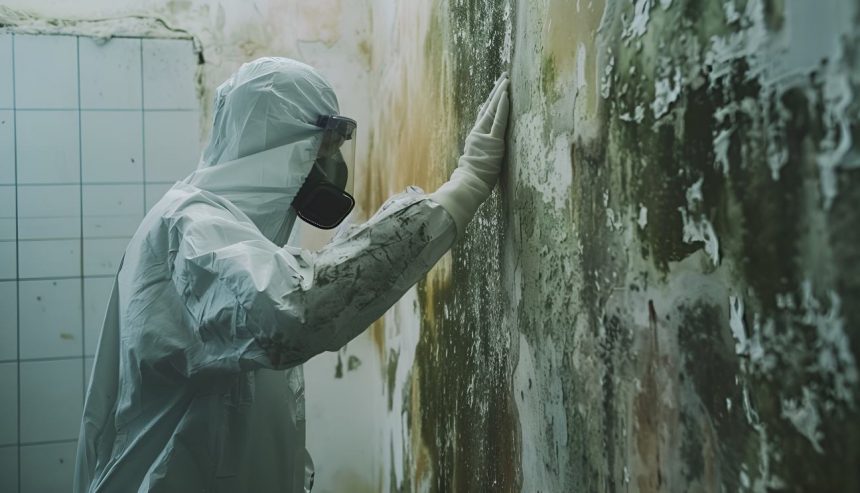
Not all mold is the same. While many Fort Mill homeowners use the term “black mold” to describe any dark-colored growth, there are actually many different types of mold that can develop inside a home. Some are relatively common and slow-growing, while others can spread quickly and pose greater health and property risks if left untreated.
Understanding the difference between black mold and other household molds can help homeowners make informed decisions and know when professional mold remediation is necessary.
What Is Black Mold?
“Black mold” most commonly refers to Stachybotrys chartarum, a type of mold that thrives in consistently damp environments. It typically grows on materials with high cellulose content, such as drywall, insulation, wood, and ceiling tiles.
Black mold often appears dark green or black and has a slimy texture when wet. It requires long-term moisture exposure to develop, which is why it’s often linked to unresolved water damage, chronic leaks, or flooding.
In homes throughout Fort Mill, black mold is most often found after roof leaks, plumbing failures, or water intrusion that wasn’t properly dried or repaired.
Common Household Mold Types
Most mold issues in homes are caused by more common mold varieties, such as Cladosporium, Penicillium, and Aspergillus. These molds can grow in a wider range of conditions and don’t always require long-term water exposure.
Common household mold is frequently found in areas like:
- Bathrooms with poor ventilation
- Around windows and doors
- Basements and crawl spaces
- Laundry rooms and utility areas
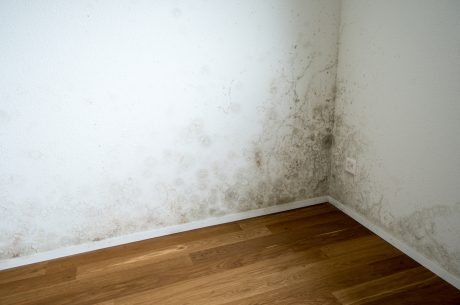
These molds may appear white, gray, green, or black and often grow on walls, ceilings, fabrics, and carpets.
Is Black Mold More Dangerous Than Other Mold?
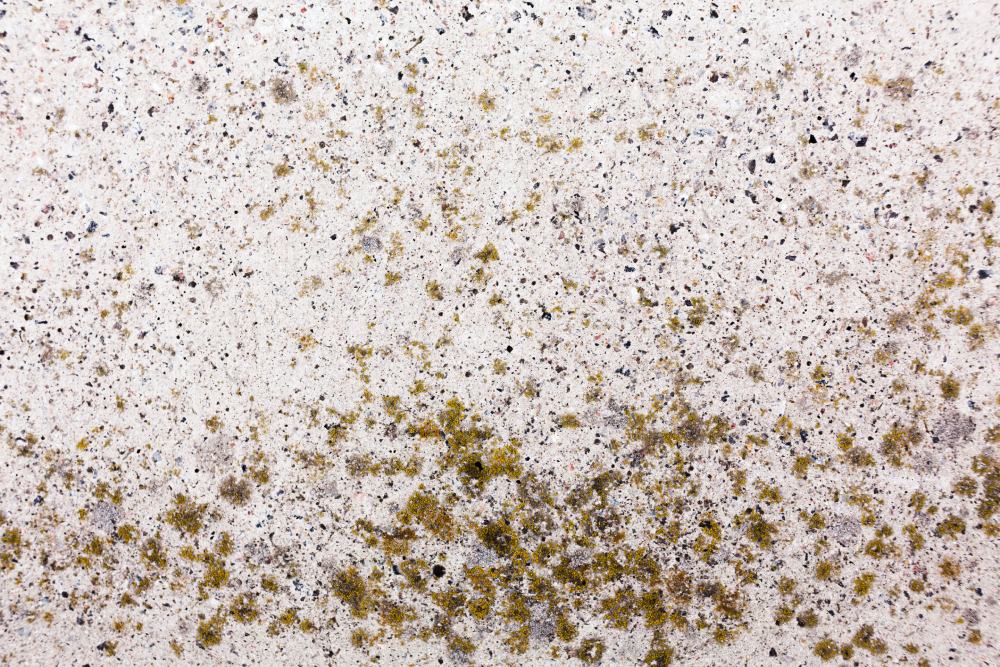
Black mold has gained attention because it can produce mycotoxins under certain conditions. Prolonged exposure to these toxins may contribute to symptoms such as headaches, fatigue, respiratory irritation, and allergic reactions in some individuals.
That said, it’s important to understand that any mold growth indoors can be a problem, regardless of type. Common household molds can also trigger allergies, worsen asthma symptoms, and reduce indoor air quality.
The real risk often depends on:
- The amount of mold present
- How long it has been growing
- Where it’s located
- Who is exposed
From a remediation standpoint, visible mold of any kind should be addressed promptly to prevent spread and ongoing moisture issues.
Can You Identify Mold Type by Appearance Alone?
In most cases, mold type cannot be accurately identified just by looking at it. Many molds share similar colors and textures, and black-colored mold does not automatically mean toxic black mold is present.
Accurate identification requires professional testing and evaluation. This is especially important when mold growth is extensive, recurring, or associated with health concerns.
Relying on assumptions can delay proper remediation and allow the underlying moisture problem to continue.
Why Mold Problems Are Common in Fort Mill Homes
Fort Mill’s climate creates favorable conditions for mold growth throughout much of the year. High humidity, seasonal storms, and rapid temperature changes can all contribute to moisture buildup inside homes.
Additional local factors include:
- Crawl space construction common in the area
- Heavy summer rainfall
- Poor ventilation in attics and bathrooms
- Undetected plumbing leaks
Even newer homes can experience mold issues if moisture control systems are not properly maintained.
Why DIY Mold Removal Often Falls Short
Homeowners sometimes attempt to clean mold using household cleaners or bleach. While this may remove surface staining, it rarely addresses mold growth embedded in porous materials like drywall, insulation, or wood.
Improper cleaning can also disturb mold colonies and release spores into the air, increasing the risk of spread throughout the home.
Professional mold remediation focuses on containment, proper removal, and correcting moisture sources to prevent future growth.
When Mold Requires Professional Remediation
Professional mold remediation is recommended when:
- Mold covers a large area
- Growth keeps returning after cleaning
- Mold is present inside walls, crawl spaces, or HVAC systems
- There is a history of water damage
- Occupants experience ongoing respiratory symptoms
A professional assessment ensures that mold is removed safely and that moisture issues are properly resolved.
Protecting Your Home and Indoor Air Quality
Whether the mold in your home is black mold or a more common variety, addressing it early is key. Mold problems rarely resolve on their own and tend to worsen over time if moisture remains.
Professional remediation not only removes visible mold but also helps protect indoor air quality, structural materials, and long-term property value.

 PuroClean of Fort Mill