 PuroClean of Fort Mill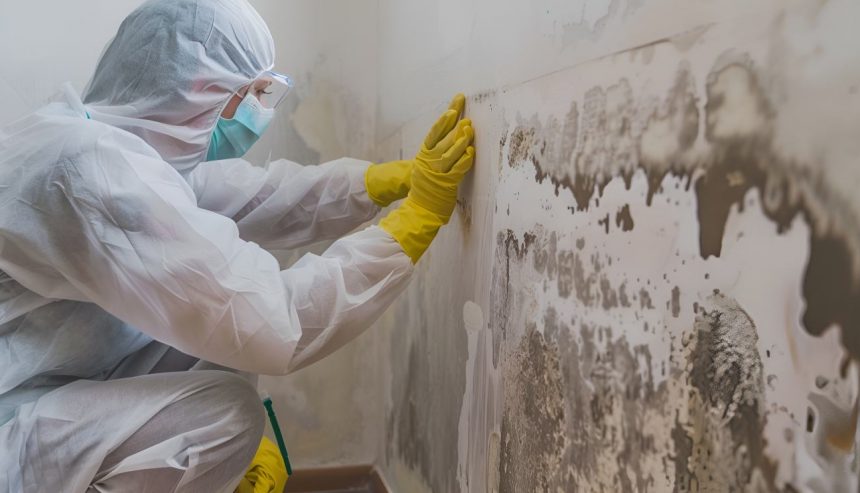
Mold problems in a home aren’t always obvious. While many Fort Mill homeowners know to look for mold in bathrooms or around visible water damage, some of the most serious mold growth happens completely out of sight. Hidden mold can quietly spread for weeks or even months, damaging your property and affecting indoor air quality before anyone realizes there’s an issue.
Because homes in Fort Mill are exposed to high humidity, seasonal storms, and fluctuating temperatures, certain areas are especially vulnerable to concealed mold growth. Knowing where mold commonly hides can help homeowners catch problems early and avoid costly repairs.
Below are the most commonly overlooked places mold hides in Fort Mill homes—and why professional inspection often matters.
Crawl Spaces and Subfloor Areas
Crawl spaces are one of the most frequent sources of hidden mold in Fort Mill homes. Many houses in the area have vented crawl spaces that allow warm, humid air to enter. When that moisture meets cooler surfaces beneath the home, condensation forms, creating ideal conditions for mold growth.
Mold often develops on wooden floor joists, subflooring, insulation, and vapor barriers that have shifted or torn. Because crawl spaces are rarely accessed, mold can spread extensively before it’s discovered. Left untreated, crawl space mold can impact structural components and allow mold spores to circulate throughout the home.
Inside Walls and Behind Drywall
Mold growth behind walls is especially common after plumbing leaks, roof leaks, or appliance malfunctions. Even small leaks can saturate drywall and framing materials, allowing mold to thrive out of sight.
Warning signs may include bubbling or peeling paint, soft or warped drywall, or musty odors with no visible source. Unfortunately, by the time these signs appear, mold may already be well established inside the wall cavity. Professional mold remediation is often necessary to safely remove contaminated materials and prevent further spread.
Attics and Roof Structures
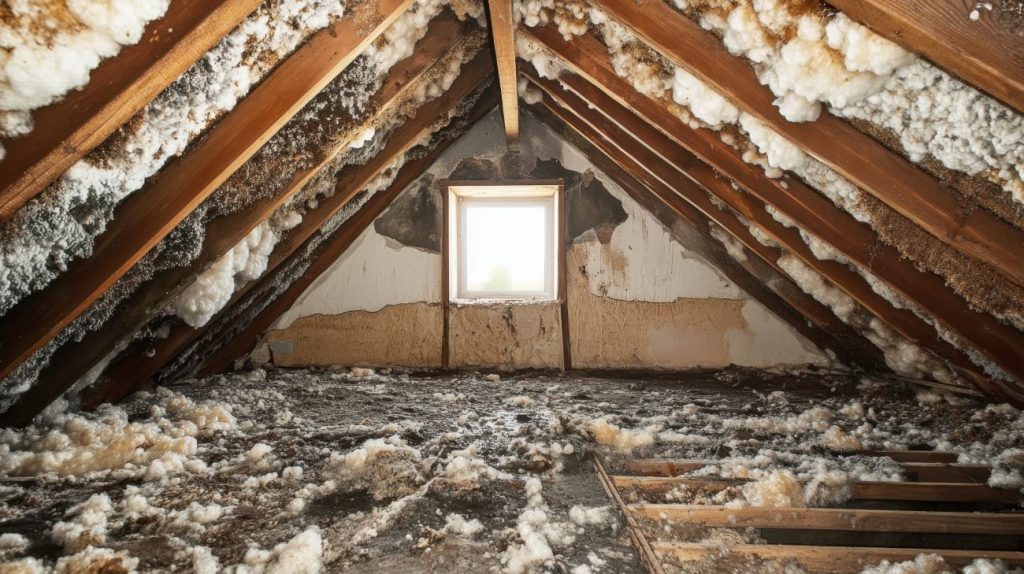
Attics are another area where mold can grow unnoticed. In Fort Mill, mold in attics is often caused by roof leaks, poor ventilation, or bathroom and kitchen exhaust fans venting into the attic instead of outside.
Warm, moist air becomes trapped in poorly ventilated attic spaces, leading to condensation on rafters, decking, and insulation. Mold in the attic can compromise roof structures and reduce insulation effectiveness, increasing energy costs over time.
HVAC Systems and Air Ducts
Heating and cooling systems can both harbor mold and spread it throughout your home. Moisture can accumulate inside HVAC systems due to condensation on coils, clogged drain lines, or improper maintenance.
When mold develops inside air handlers or ductwork, spores can be distributed every time the system runs. This often results in persistent odors and declining indoor air quality, even if no mold is visible elsewhere. Professional inspection is critical in these cases, as surface cleaning alone does not address mold growth inside HVAC components.
Under Sinks and Inside Cabinets
Leaks under kitchen and bathroom sinks are a common but frequently overlooked source of mold. Slow leaks may go unnoticed for long periods, especially if stored items block visibility.
Cabinet materials can trap moisture, allowing mold to grow on cabinet flooring, back panels, and adjacent drywall. Because these areas are enclosed, mold growth can become significant before it’s detected.
Laundry Rooms and Utility Areas
Laundry rooms combine moisture, warmth, and limited airflow, making them ideal environments for mold. Leaking washing machine hoses, clogged drains, or improper venting can introduce ongoing moisture issues.
Mold may grow behind appliances, under flooring, or inside wall cavities connected to the laundry area, often without visible signs until the problem worsens.
Basements and Foundation Walls
Even homes without finished basements can experience hidden mold problems. Foundation walls may absorb moisture from surrounding soil, especially after heavy rainfall common in the Fort Mill area.
Over time, mold can develop behind stored items, inside wall framing, or beneath flooring materials where airflow is limited.
Why Hidden Mold Is a Serious Concern
Hidden mold doesn’t just damage property. It can affect indoor air quality and contribute to respiratory discomfort, allergic reactions, and persistent musty odors. Because mold spores easily become airborne, growth in one concealed area can impact the entire home.
DIY cleaning methods often fail to address the root of the problem and may even spread mold further. Professional remediation focuses on identifying moisture sources, containing affected areas, and removing mold safely and thoroughly.
When to Call a Professional Mold Remediation Specialist
If you notice unexplained odors, ongoing moisture issues, or signs of water damage with no visible mold, hidden growth may already be present. A professional inspection can identify problem areas early and prevent minor issues from turning into major repairs.


 PuroClean of Fort Mill