 PuroClean of Fort Mill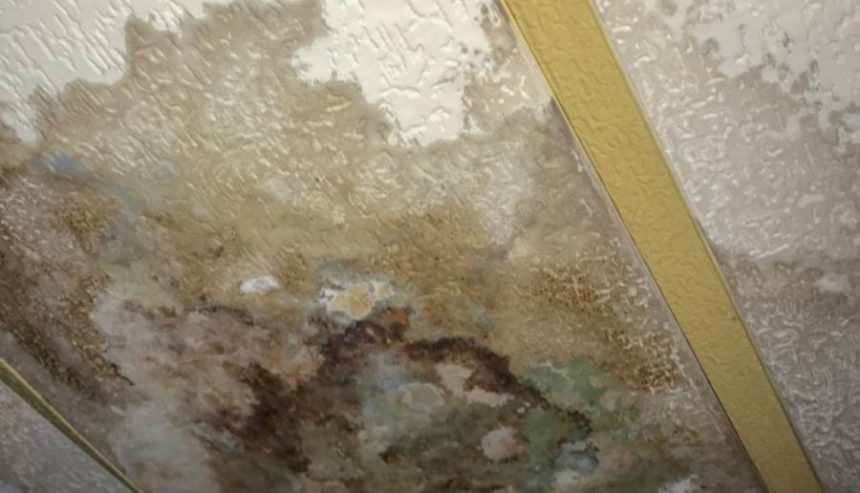
Water damage insurance coverage can be a bit complex, as it largely depends on the cause of the water damage. Insurance policies are often filled with jargon and fine print, making it difficult for homeowners to decipher what is covered. It’s important to distinguish between different types of water-related incidents to determine if your Fort Mill home is covered by your insurance policy. Being well-informed can prevent unpleasant surprises when you need to file a claim.
Types of Water Damage
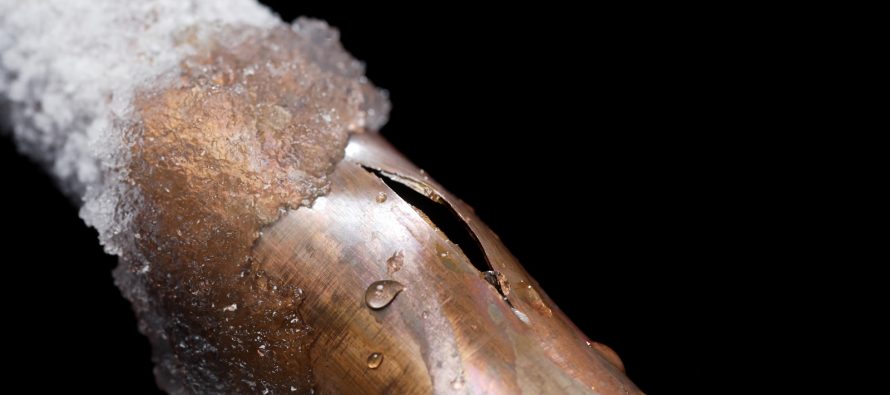
- Sudden and Accidental Incidents: Most standard homeowners insurance policies cover sudden and accidental water damage. This includes things like burst pipes, an overflowing washing machine, or a sudden roof leak during a storm. These incidents are considered unforeseen and abrupt, aligning with the conditions that insurance typically covers. However, it is crucial to act quickly when such incidents occur, as delays in reporting or mitigating the damage may affect the coverage.
- Gradual Damage: Typically, insurance does not cover damage that occurs gradually over time, such as a slowly leaking pipe or gradual seepage through the foundation. This type of damage is often deemed a result of neglect or poor maintenance, which falls under the homeowner’s responsibility. Regular inspections and maintenance can help identify potential issues before they develop into significant problems, ensuring that you remain in compliance with your policy requirements.
- Flood Damage: Standard homeowners insurance policies usually do not cover flood damage. A separate flood insurance policy is required to cover damages from natural flooding events. Given Fort Mill’s susceptibility to unpredictable weather, it is wise to consider purchasing flood insurance as an additional safeguard. Flood insurance can provide coverage for both the structure of your home and your personal belongings, offering comprehensive protection against flood-related losses.
- Sewage Backup: Damage caused by sewer backups is often excluded from standard policies but can be added as an endorsement or rider. This additional coverage can be invaluable, as sewage backups can cause extensive damage and pose health risks. Understanding the limitations of your current policy and discussing potential endorsements with your insurance agent can help you make informed decisions about your coverage needs.
Reviewing Your Home Insurance Policy
To determine your coverage, start by reviewing your current home insurance policy. Look for specific details related to water damage. Pay close attention to the exclusions section, which outlines scenarios that are not covered. Understanding these exclusions can prevent misunderstandings and help you adjust your coverage proactively.
If you’re unsure about any aspect of your policy, reach out to your insurance agent for clarification. They can provide insights into what’s covered and what’s not, and suggest any necessary adjustments to your policy. Building a strong relationship with your insurance agent can be beneficial, as they can offer guidance tailored to your specific situation and help you navigate the complexities of insurance coverage.
Steps to Take When You Discover Water Damage
Acting quickly is crucial when you discover water damage in your Fort Mill home. Rapid response can minimize damage and increase the likelihood of a successful insurance claim. Here are the steps you should take:
1. Document the Damage
Before you start cleaning up, take photos and videos of the affected areas. This documentation will be important when filing an insurance claim. Capturing clear and comprehensive images of the damage can provide tangible evidence to support your claim, potentially expediting the claims process.
2. Stop the Source of Water
If possible, identify and stop the source of water to prevent further damage. This might involve shutting off the main water supply or calling a professional to repair a burst pipe. Quick intervention can limit the extent of the damage, saving you time and money in the long run.
3. Remove Excess Water
Use buckets, mops, or a wet/dry vacuum to remove as much water as possible. The faster you can remove the water, the less likely it is that mold and mildew will develop. Mold can begin to grow within 24 to 48 hours, so immediate action is essential to prevent additional health hazards and structural damage.
4. Ventilate and Dry the Area
Open windows and use fans or dehumidifiers to help dry out the affected areas. This process can help prevent further structural damage and inhibit mold growth. Proper ventilation not only helps in drying but also reduces humidity levels, creating an environment less conducive to mold proliferation.
5. Contact Your Insurance Company
Report the water damage to your insurance company as soon as possible. Provide them with your documentation and follow their instructions for filing a claim. Prompt communication with your insurer can facilitate a smoother claims process and ensure you receive the assistance you need promptly.
6. Hire a Water Restoration Professional
For significant damage, consider hiring a water restoration company like us at PuroClean of Fort Mill. Professionals like ours have the equipment and expertise to thoroughly dry out your home and restore it to its pre-damage state. Engaging professionals can also help identify hidden damage that may not be immediately apparent, protecting your home from future complications.
Preventing Future Water Damage
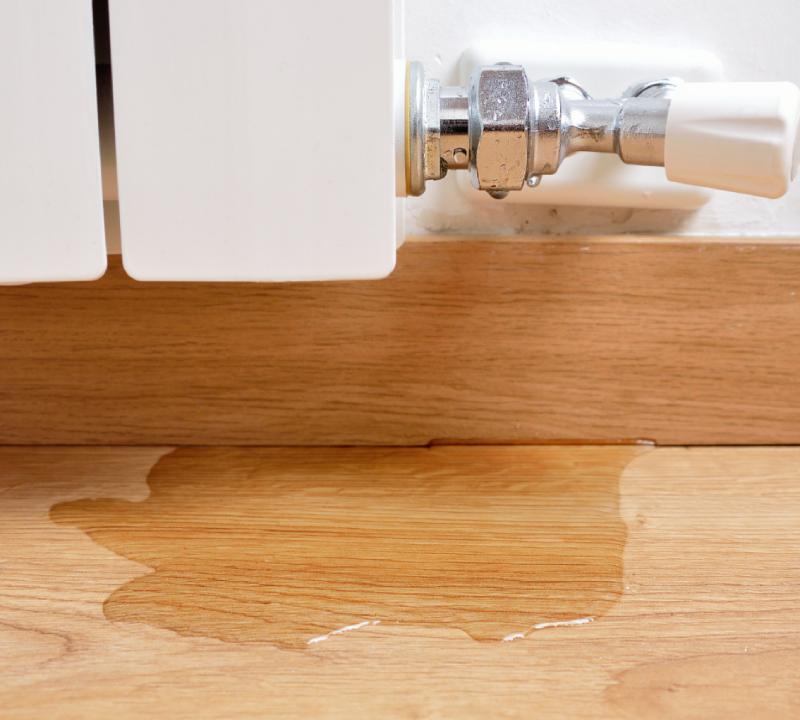
Taking preventive measures can help protect your Fort Mill home from future water damage. Proactive steps can safeguard your property and reduce the likelihood of costly repairs.
Regular Maintenance
Perform regular maintenance on your home’s plumbing, roof, and gutters. Fix leaks promptly and replace old or damaged pipes. Routine inspections can catch potential issues early, preventing small problems from escalating into significant damage.
Install Water Alarms
Water alarms are small devices that alert you to leaks or flooding in areas like basements and laundry rooms. They can give you an early warning to prevent extensive damage. These devices are relatively inexpensive and can be a wise investment for the early detection of water issues.
Consider a Sump Pump
If your home is prone to flooding, installing a sump pump can help remove water from your basement and prevent water damage. A sump pump can be a critical component in your home’s defense against water intrusion, especially during heavy rainfall.
Seal and Insulate
Ensure your home is properly sealed and insulated to prevent water seepage during storms. Pay special attention to windows, doors, and the foundation. Proper sealing can also improve your home’s energy efficiency, providing additional benefits beyond water damage prevention.
Conclusion
Water damage can be a stressful experience, but understanding your insurance coverage and taking prompt action can make a significant difference in the outcome. By reviewing your home insurance policy, documenting damages, and working with professionals, you can restore your Fort Mill home efficiently and prevent future issues. Knowledge and preparedness are key to managing water damage effectively.
For expert water damage restoration services in the area, contact our team at PuroClean of Fort Mill – (803) 650-3810 today!

 PuroClean of Fort Mill