


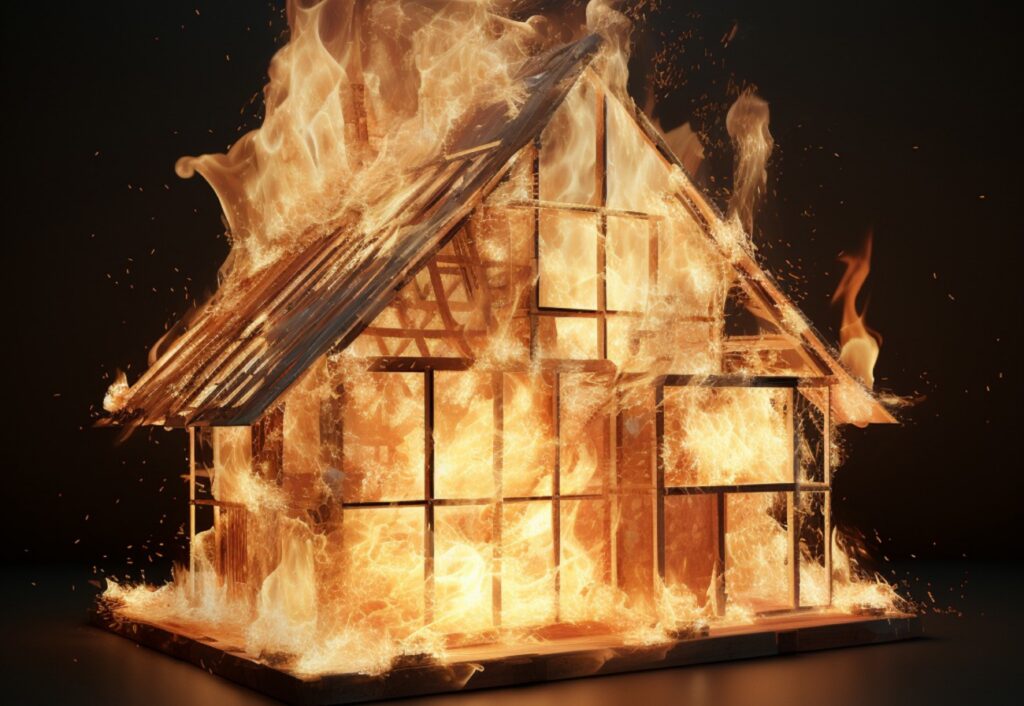
Dealing with the aftermath of a fire is stressful enough without having to navigate an insurance claim at the same time. For many Fort Mill homeowners, questions about coverage, documentation, and timelines add another layer of uncertainty. Understanding how fire damage restoration works alongside insurance claims can help make the recovery process smoother and less overwhelming.
Understanding Fire Damage Insurance Coverage
Most homeowners insurance policies cover fire and smoke damage, including structural repairs, smoke cleanup, and damage caused by firefighting efforts such as water intrusion. Coverage often extends to personal belongings, temporary housing, and certain restoration services. However, policy details vary, and coverage limits, deductibles, and exclusions can affect what is reimbursed.
Reviewing your policy early in the process helps set expectations and allows you to make informed decisions as restoration begins.
Why Documentation Is Critical After a Fire
Thorough documentation is one of the most important steps when filing a fire damage insurance claim. Insurance companies require detailed records of all affected areas and belongings. Photos, videos, and written inventories provide proof of loss and help prevent disputes during the claims process.
Professional restoration companies often assist with documentation, ensuring damage is properly recorded before cleanup and repairs begin.
The Role of a Restoration Company in the Claims Process
A professional fire damage restoration company does more than clean and repair your home. Restoration teams frequently work directly with insurance adjusters, providing detailed assessments, estimates, and progress updates. This coordination helps ensure the scope of work accurately reflects the damage and meets insurance requirements.
Having experienced professionals involved can reduce delays, minimize misunderstandings, and help the claim move forward efficiently.
Emergency Services and Insurance Approval

Many emergency services—such as board-ups, roof tarping, water extraction, and smoke mitigation—are typically approved by insurance carriers because they prevent further damage. Acting quickly after a fire not only protects your home but also supports your insurance claim by demonstrating responsible action.
Delaying restoration can sometimes lead to secondary damage that may not be fully covered, making prompt response especially important.
Repair Estimates and Restoration Costs
Once the damage assessment is complete, restoration professionals prepare detailed repair estimates. These estimates outline the work required to restore the property and are shared with the insurance provider. If adjustments are needed, restoration companies often communicate directly with the adjuster to clarify the scope and ensure all necessary repairs are included.
This collaboration helps avoid out-of-pocket surprises and keeps the project aligned with policy coverage.
What Homeowners Should Avoid During the Claims Process
Homeowners should avoid discarding damaged items before documentation is complete, as this can complicate the claims process. It’s also important not to begin major repairs without insurance approval, unless they are emergency measures to prevent further damage.
Maintaining clear communication with both your insurance provider and restoration team helps prevent setbacks and unnecessary delays.
A Supportive Restoration Partner for Fort Mill Homeowners
Recovering from fire damage is challenging, but having the right support makes a significant difference. PuroClean of Fort Mill works closely with insurance providers to help Fort Mill homeowners navigate the restoration and claims process with confidence. From documentation to final repairs, their experienced team helps simplify recovery so you can focus on moving forward.