 PuroClean of Fort Mill
Mold growth is rarely a year-round constant. In Fort Mill, seasonal weather patterns play a major role in when and where mold problems are most likely to appear. Understanding how each season affects moisture levels in and around your home can help you spot issues early and take action before mold spreads.
Because homes in Fort Mill experience high humidity, heavy rain, and fluctuating temperatures throughout the year, mold risks change with the seasons.
Spring: Rainfall and Hidden Moisture
Spring brings frequent rainstorms that can expose weaknesses in roofs, siding, windows, and foundation drainage. Even minor leaks can allow moisture to enter wall cavities, attics, or crawl spaces where mold can grow unnoticed.
Spring is also a time when humidity levels begin to rise. Combined with lingering winter moisture, this creates ideal conditions for mold growth in areas that remain damp after storms.
Homeowners should be especially alert for musty odors, water stains, and signs of condensation during this season.
Summer: High Humidity and Condensation
Summer is peak mold season in Fort Mill. High humidity levels, combined with constant air-conditioning use, often lead to condensation on cool surfaces such as air ducts, windows, and walls.
Common summer mold issues include growth in crawl spaces, HVAC systems, bathrooms, and laundry rooms. Poor ventilation can trap moisture indoors, allowing mold to spread quickly.
During summer months, maintaining proper airflow and managing indoor humidity are key to preventing mold problems.
Fall: Temperature Changes and Trapped Moisture
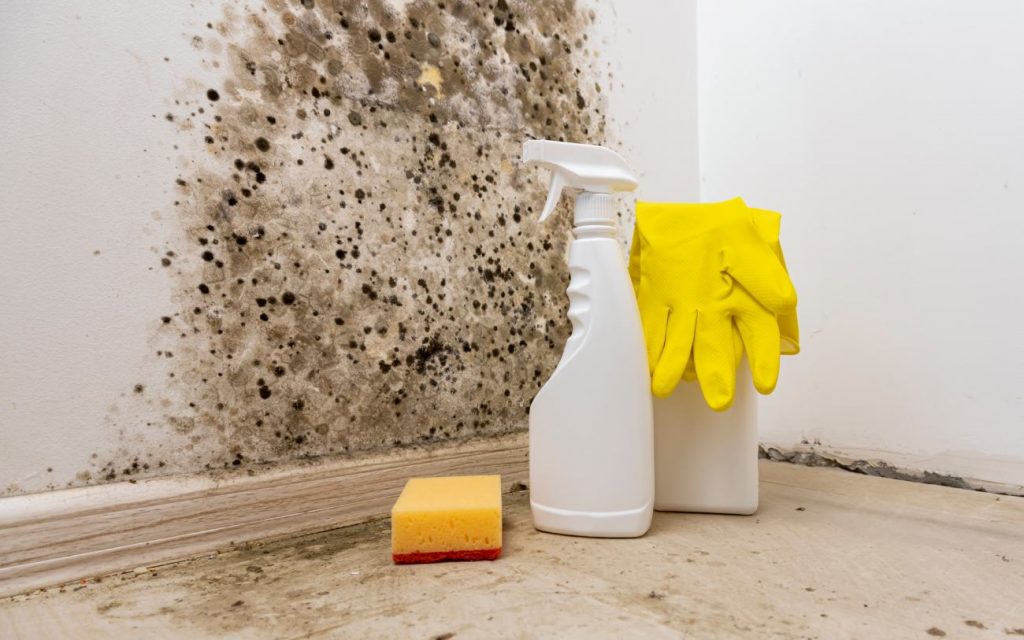
As temperatures begin to drop in the fall, moisture problems don’t disappear. In fact, temperature fluctuations can create condensation in attics, basements, and wall cavities.
Fallen leaves can clog gutters and downspouts, causing water to pool near the foundation. If drainage issues aren’t addressed, moisture can seep into lower levels of the home and contribute to mold growth.
Fall is also a good time for homeowners to inspect their property and address moisture issues before winter sets in.
Winter: Reduced Ventilation and Hidden Leaks
While winter in Fort Mill is milder than in many regions, reduced ventilation and indoor heating can still create conditions for mold growth. Warm indoor air meeting cooler surfaces can lead to condensation, particularly around windows and exterior walls.
Plumbing leaks are also more likely to go unnoticed in winter, especially in rarely accessed areas such as crawl spaces or behind walls. Mold growth during this season often remains hidden until warmer months reveal odors or visible damage.
Why Seasonal Mold Patterns Matter
Understanding seasonal mold risks helps homeowners focus prevention efforts at the right time. Mold often develops slowly and becomes noticeable weeks or months after the initial moisture exposure.
By recognizing when mold is most likely to form, homeowners can schedule inspections, improve ventilation, and address drainage or moisture issues proactively.
When to Seek Professional Help
If you notice persistent musty odors, recurring moisture issues, or signs of water damage at any time of year, professional assessment is recommended. Mold problems rarely resolve on their own and often worsen with each seasonal change.
Professional mold remediation helps identify hidden growth, remove contamination safely, and address the underlying moisture sources that allow mold to return.
Protecting Your Home Year-Round
Seasonal awareness is one of the most effective ways to protect your Fort Mill home from mold. Regular inspections, prompt repairs, and professional assistance when needed can help maintain healthy indoor air quality and prevent costly damage.
By staying alert throughout the year, homeowners can reduce the risk of mold and maintain a safer, more comfortable living environment.

 PuroClean of Fort Mill