 PuroClean of Fort Mill
I needed biohazard cleanup services in Fort Mill, SC, after a sewage backup flooded my laundry room. The cleanup included removing contaminated materials, disinfecting the area, checking for hidden moisture, and handling odor removal. The team also inspected for mold afterward to prevent future issues.
How the Sewage Backup Started and Why It Became a Biohazard
In February, Fort Mill gets a lot of rain, and the ground stays saturated longer than it does in the summer. That year, a heavy winter storm moved through the area and caused flooding in low-lying neighborhoods. My house is older, and the plumbing has had issues before, so I knew the risk of a backup was higher.
The sewage backup happened in our laundry room. Within an hour, the water had spread across the floor and soaked into the baseboards, drywall, and even some stored items. The smell made it clear this was sewage, not just water, and I knew it could be dangerous.
Sewage water can carry bacteria and pathogens, and it can also lead to mold growth if the moisture remains. I was worried because the winter humidity in South Carolina can keep areas damp longer, and I did not want the problem to spread into other parts of the house. That’s when I realized I needed professional biohazard cleanup.
What a Biohazard Cleanup Includes: The Steps I Experienced
When I contacted PuroClean of Fort Mill, they explained the full process of biohazard cleanup and what would happen next. The process was detailed and methodical, which helped me feel more comfortable because I had never dealt with this before.
Step 1: Inspection and Safety Setup
First, they inspected the affected area to determine the full extent of contamination. They checked the floor, walls, and any materials that had absorbed the sewage water. They also looked for hidden moisture that might not be obvious.
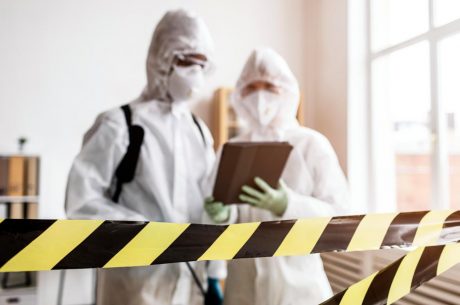
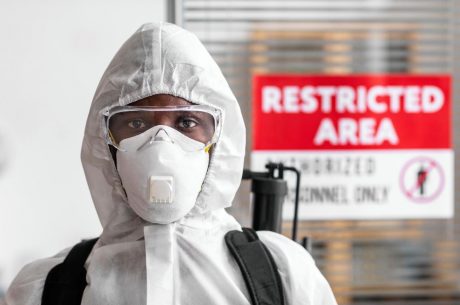
They set up containment around the laundry room to prevent contaminated air and particles from spreading to other parts of the house. They wore protective gear and followed strict procedures to limit exposure. I was relieved to see that they treated it as a serious health risk rather than a simple cleanup job.
Step 2: Removal of Contaminated Materials
Next, they removed materials that could not be safely cleaned. This included sections of drywall, baseboards, and any items that were soaked and contaminated. They carefully removed these materials and disposed of them properly.
This part of the process was important because sewage water can seep into building materials. If those materials are not removed, the contamination can remain behind and continue to cause problems even after cleaning.
Step 3: Cleaning and Disinfection

After removal, the team cleaned and disinfected the area. They used EPA-registered disinfectants to reduce bacteria and pathogens.
They cleaned the entire area, including surrounding surfaces that may have been affected. The process included wiping down surfaces, treating the floor, and ensuring the space was thoroughly sanitized.
Step 4: Odor Removal Services
Even after cleaning, the smell can remain. That is why odor removal services were part of the process. They used odor control methods to neutralize the sewage smell rather than masking it.
Odors can linger in porous materials or small crevices, and in Fort Mill’s humid winter weather, smells can stay longer if not treated correctly. The odor removal step was necessary to make sure the space felt normal again.
Step 5: Moisture Inspection and Mold Prevention
The team checked for hidden moisture behind walls and under flooring. Since the backup had soaked into the drywall and baseboards, there was a risk of mold growth if everything did not dry completely.
They used moisture meters and thermal imaging to confirm that the area was dry. Because February in SC can still be humid, this step was important to reduce the risk of mold.
Step 6: Mold Removal When Needed
Although the main service was biohazard cleanup, mold removal was included if mold was found during inspection. I did not want mold to develop after the sewage cleanup, so this part of the process made sense.
They identified areas that were at risk and addressed them. Even though the primary focus was the sewage contamination, preventing mold growth was part of the overall restoration.
How Long It Took and What It Cost
For a sewage backup cleanup like mine, the estimated cost in Fort Mill typically falls between $1,800 and $4,800, depending on the extent of damage, how much material needs to be removed, and whether mold removal is required afterward.
The job took about 2 to 3 days from start to finish. The first day included inspection, containment setup, and removal of contaminated materials. The second day involved cleaning, disinfecting, and odor removal. The final day was focused on drying and checking for moisture to prevent mold.
Because it was February, the cooler weather slowed drying a bit. Even though the house was heated, the humidity still affected how quickly the area could dry completely. That is one reason the process took a couple of days instead of being finished in one.
Why I Chose PuroClean of Fort Mill
I chose PuroClean of Fort Mill because they handle emergency property restoration in the area and have experience with water damage, mold, fire, and biohazard cleanup. They know local weather patterns and how winter storms can affect older homes. Their process included inspection, containment, disinfection, odor removal services, and moisture checks. That approach helped me feel confident that the problem was addressed properly.
What to Do Next If You Need Biohazard Cleanup
If you need biohazard cleanup services in Fort Mill, SC, the first step is to get the area assessed. Immediate response helps reduce contamination and allows affected areas to dry safely. For my situation, it made a big difference that the cleanup was handled quickly and methodically.
Get in touch today via phone or their easy online form.

 PuroClean of Fort Mill