 PuroClean of Fort Mill
Crawl spaces are one of the most common sources of mold problems in homes throughout Fort Mill. Because these areas are often out of sight and rarely inspected, mold can develop and spread long before homeowners realize there’s an issue. Once established, crawl space mold can impact indoor air quality, structural components, and even energy efficiency.
Understanding why crawl spaces in Fort Mill are so vulnerable to mold can help homeowners take proactive steps to protect their property.
Why Crawl Spaces Create Ideal Conditions for Mold
Crawl spaces naturally trap moisture. Warm, humid air enters through vents or gaps and condenses when it meets cooler surfaces beneath the home. Over time, this moisture accumulates on wood framing, insulation, and soil, creating an environment where mold thrives.
Several factors make Fort Mill crawl spaces especially prone to mold:
- High seasonal humidity
- Frequent rain and groundwater exposure
- Poor ventilation or outdated vented crawl space designs
- Inadequate vapor barriers or damaged insulation
Even homes without visible water damage can experience ongoing moisture problems below the living space.
Common Signs of Crawl Space Mold
Because crawl spaces are hidden, mold problems often reveal themselves indirectly. Homeowners may notice musty odors inside the home, especially near floors or HVAC vents. Floors may feel damp, or allergies may worsen without an obvious cause.
Other warning signs include increased indoor humidity, visible discoloration on floor joists during inspections, or sagging insulation beneath the home.
Ignoring these signs allows mold to spread further and increases the risk of costly repairs.
How Crawl Space Mold Affects the Rest of the Home
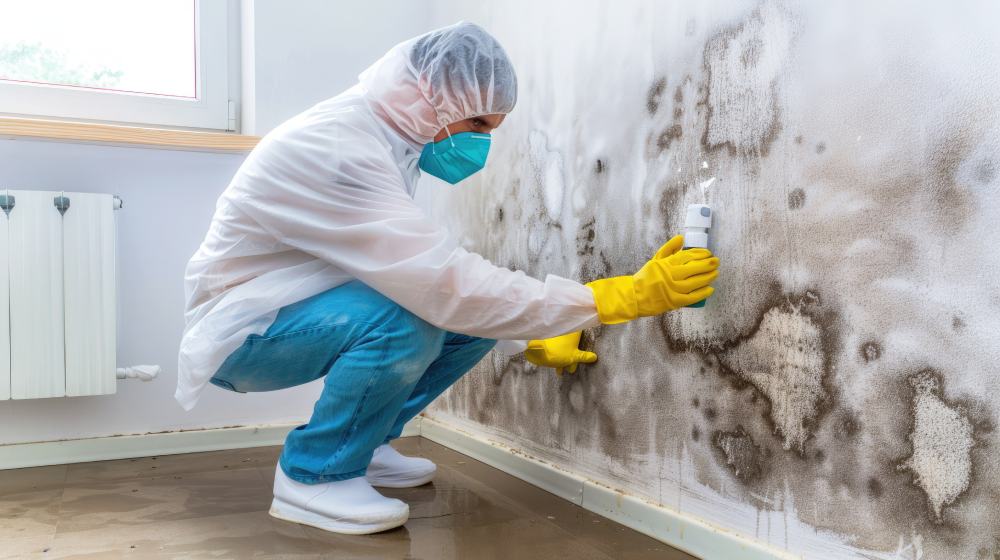
Air from the crawl space often moves upward into the living areas through gaps, ducts, and flooring penetrations. When mold spores become airborne in the crawl space, they can circulate throughout the entire home.
This can lead to reduced indoor air quality, persistent odors, and discomfort for occupants. Over time, prolonged moisture exposure can also weaken wooden framing and subfloor materials, potentially affecting the home’s structural integrity.
Why Surface Cleaning Is Not Enough
Crawl space mold cannot be resolved with surface cleaning alone. Mold frequently penetrates porous materials such as wood and insulation, making it difficult to remove without proper containment and professional methods.
DIY approaches may temporarily improve appearance but rarely address the root cause of moisture intrusion. Without correcting humidity and water issues, mold is likely to return.
Professional remediation focuses on both removal and prevention.
Effective Solutions for Crawl Space Mold
Proper crawl space mold remediation begins with identifying and controlling moisture sources. This may include repairing leaks, improving drainage, or sealing entry points where moisture enters.
Depending on the home, solutions may involve:
- Removing mold-contaminated materials
- Cleaning and treating affected surfaces
- Installing or repairing vapor barriers
- Improving ventilation or recommending crawl space encapsulation
- Managing humidity levels
Each crawl space requires a tailored approach based on structure, moisture levels, and extent of mold growth.
Long-Term Benefits of Addressing Crawl Space Mold
Addressing crawl space mold does more than eliminate odors. It helps improve indoor air quality, protects structural components, and can even reduce heating and cooling costs by improving insulation performance.
Homes with properly maintained crawl spaces are also less likely to experience recurring mold issues after storms or seasonal humidity changes.
When to Call a Professional for Crawl Space Mold
Professional assistance is recommended when mold growth is extensive, recurring, or located on structural components. Because crawl space mold often goes undetected for long periods, a professional inspection is often the safest way to determine the severity of the problem.
Early intervention can prevent minor moisture issues from turning into widespread contamination.


 PuroClean of Fort Mill