



Executive Summary
Mold on pillows poses serious health risks that many people underestimate. This comprehensive guide reveals four critical health dangers associated with moldy pillows, including respiratory complications, allergic reactions, immune system suppression, and neurological symptoms. You’ll discover how to identify mold growth, understand the warning signs your body sends, and learn immediate action steps to protect your health. If you’re in Greenfield, Indianapolis, or surrounding areas and discover mold on your pillow or in your bedroom, professional help is available immediately.
What Makes Pillow Mold More Dangerous Than You Think?
Most people spend six to eight hours every night with their face pressed against their pillow. When that pillow harbors mold, you’re breathing in toxic spores for a third of your life. Unlike mold on a bathroom wall that you can see and avoid, pillow mold operates in stealth mode, growing inside the cushioning where moisture from sweat, saliva, and humidity creates the perfect breeding ground.
The proximity factor makes pillow mold exceptionally hazardous. You’re not just in the same room as mold; you’re inhaling it directly into your respiratory system throughout the entire night.
Sarah’s Wake-Up Call: A Real Story About Hidden Danger
Sarah Mitchell, a 34-year-old teacher from Greenfield, couldn’t understand why she’d been waking up with headaches and congestion for three months. She’d tried allergy medications, changed her diet, and even bought an air purifier. Nothing helped.
One morning, while changing her pillowcase, she noticed small dark spots on the pillow fabric. Curious, she unzipped the pillow protector and discovered what looked like scattered black and green patches across the foam interior. The smell was unmistakable once she noticed it: musty, earthy, and wrong.
Within two days of replacing her pillows and deep-cleaning her bedroom, Sarah’s symptoms began improving. By the end of the first week, her morning headaches had vanished completely. Her experience taught her an important lesson: the things we trust most for comfort can sometimes be the source of our problems. She now checks her pillows monthly and has made pillow replacement part of her regular home maintenance routine.
The 4 Serious Health Risks of Sleeping on Moldy Pillows
1. Respiratory System Damage and Chronic Breathing Problems
When you sleep on a moldy pillow, you’re creating a direct pathway for mold spores to enter your lungs. Every breath you take during sleep can introduce mycotoxins and spore fragments into your respiratory tract.
What happens in your body? The spores trigger inflammation in your airways. Your bronchial tubes may swell, mucus production increases, and your lung capacity can decrease over time. For people with asthma, this exposure can transform a manageable condition into a daily struggle.
Common respiratory symptoms include persistent coughing (especially worse at night or upon waking), wheezing or whistling sounds when breathing, shortness of breath during normal activities, chest tightness that feels like pressure, and frequent throat clearing or scratchy throat sensations.
Can moldy pillows cause pneumonia? While rare, prolonged exposure to certain mold types can lead to hypersensitivity pneumonitis, an inflammatory lung condition. People with compromised immune systems face higher risks of developing fungal lung infections.
2. Severe Allergic Reactions and Sinus Complications
Your immune system recognizes mold as a foreign invader. When you’re exposed night after night, your body remains in a constant state of alert, triggering allergic responses that never fully resolve.
The allergic cascade includes histamine release causing inflammation, antibody production that can lead to increased sensitivity over time, and inflammatory responses affecting multiple body systems simultaneously.
Warning signs of mold allergies from pillows include nasal congestion that’s worse in the morning, frequent sneezing upon waking, itchy, watery, or red eyes, skin rashes or hives (especially on the face and neck), postnasal drip that causes constant throat clearing, sinus pressure and headaches, and dark circles under your eyes (allergic shiners).
What if you’ve never had allergies before? Repeated mold exposure can actually create new allergies. Your immune system can develop sensitivity after cumulative exposure, meaning you might suddenly become allergic to mold even if you’ve never had allergies in your life.
3. Immune System Suppression and Increased Illness Frequency
Perhaps the most insidious effect of sleeping on moldy pillows is how it gradually weakens your body’s defense systems. The mycotoxins produced by certain mold species can suppress immune function, leaving you vulnerable to other infections and illnesses.
Your immune system becomes overworked, constantly fighting the mold exposure instead of protecting you from other threats. This state of chronic activation actually leads to immune exhaustion, where your body becomes less responsive to genuine threats.
Signs your immune system is compromised include catching colds or flu more frequently than usual, infections that last longer than they should, slow wound healing, constant fatigue that rest doesn’t improve, recurring yeast infections or fungal issues, and digestive problems or food sensitivities that develop suddenly.
How long does it take for mold to affect your immune system? Some people notice increased illness within weeks, while others experience a gradual decline over months. Individual factors like age, pre-existing health conditions, and the type of mold involved all influence the timeline.
4. Neurological Symptoms and Cognitive Impairment
The connection between mold exposure and brain function surprises many people, but research increasingly shows that mycotoxins can cross the blood-brain barrier and affect neurological health.
Mold produces volatile organic compounds (MVOCs) that you inhale while sleeping. These compounds can trigger inflammation in the brain, disrupt neurotransmitter function, and interfere with cellular energy production in brain cells.
Neurological warning signs include brain fog or difficulty concentrating, memory problems (especially short-term memory), mood changes including depression or anxiety, irritability or emotional instability, dizziness or balance issues, numbness or tingling sensations, and unexplained tremors or muscle twitches.
Can mold exposure cause permanent brain damage? While most neurological symptoms improve after removing the mold source, prolonged exposure to high levels of certain toxic molds can potentially cause lasting effects. The severity depends on exposure duration, mold type, and individual susceptibility.
How Do You Know If Your Pillow Has Mold?
Detecting mold on pillows requires attention to multiple warning signs since it often grows internally before becoming visible on the surface.
Visual indicators include discolored spots or patches (black, green, gray, or orange), yellowing that appears in irregular patterns rather than even aging, dark speckling on pillow fabric or fill, and visible fuzzy or powdery growth when you unzip protective covers.
Smell testing provides crucial clues. Mold produces a distinctive musty, earthy odor. Press your nose close to your pillow, particularly in the morning before airing it out. If you detect any damp, basement-like, or sour smell, mold growth is likely.
Physical inspection steps include removing all pillowcases and protectors, examining the entire surface under good lighting, checking seams and edges where moisture accumulates, squeezing the pillow to check for unusual dampness or clumping, and feeling for temperature differences (moldy areas may feel slightly cooler or damper).
What if you can’t see mold but suspect it’s there? Trust your instincts. If you’re experiencing symptoms that improve when you’re away from home, if your pillow smells odd, or if it’s older than two years and has been exposed to moisture, replacement is the safest choice.
Why Do Pillows Develop Mold in the First Place?
Understanding the causes helps prevent recurrence after you’ve addressed the immediate problem.
Moisture sources that fuel mold growth include sweat during sleep (the average person loses up to a cup of moisture nightly), saliva from sleeping with your mouth open or drooling, wet hair against the pillow, humidity in the bedroom environment, water damage or leaks in the ceiling or walls, and steam from attached bathrooms without proper ventilation.
Pillow materials affect mold susceptibility. Memory foam and solid foam pillows trap moisture more easily than fiber-fill options. Down and feather pillows can develop mold if not dried properly after washing. Synthetic materials vary in their moisture-wicking capabilities, with some promoting better airflow than others.
Environmental factors that increase risk include bedrooms with poor ventilation, homes with humidity levels above 60 percent, ground-floor bedrooms with less airflow, rooms with inadequate heating in winter, and areas prone to flooding or water intrusion.
What Should You Do If You Find Mold on Your Pillow?
Immediate action steps protect your health and prevent mold spread throughout your bedroom.
First, stop using the affected pillow immediately. Don’t sleep on it even one more night. Mold exposure compounds with continued use, and the health risks aren’t worth the convenience of finishing out the week.
Second, seal the moldy pillow in a plastic bag before removing it from your bedroom. This containment prevents spores from spreading during transport. Take the sealed pillow directly outside to your trash bin.
Third, inspect all bedding, mattress covers, and nearby pillows for signs of mold growth. Wash everything in hot water (at least 140°F) with detergent. Add a cup of white vinegar to the rinse cycle for additional mold-killing power.
Fourth, examine your mattress carefully. If your pillow had mold, your mattress may have issues too, especially if moisture has been a recurring problem. Check for visible signs, smell the mattress surface, and consider professional inspection if you find anything concerning.
Should you try to clean a moldy pillow? Generally, no. While surface mold might seem cleanable, mold typically penetrates deep into pillow fill where cleaning solutions can’t reach. The internal structure remains contaminated even after surface cleaning, and the moisture from cleaning can actually encourage additional mold growth. Replacement provides the only reliable solution.
When Does Pillow Mold Indicate a Larger Problem in Your Home?
Sometimes, moldy pillows serve as early warning signs of more extensive moisture issues that require professional attention.
Red flags that suggest bigger problems include mold appearing on multiple pillows in different rooms, new pillows developing mold within months of purchase, visible mold on walls, ceilings, or window frames in bedrooms, persistent musty odors in your home, windows with excessive condensation, water stains on ceilings or walls, and peeling paint or wallpaper.
If you’ve experienced recent water damage from flooding, roof leaks, plumbing failures, or appliance malfunctions, professional mold inspection becomes essential. Water damage creates ideal conditions for widespread mold growth that extends far beyond what you can see on surfaces.
High humidity measurements also warrant professional assessment. If your indoor humidity consistently measures above 60 percent, you’ve created an environment where mold thrives. This situation requires both immediate moisture control and comprehensive mold inspection to identify existing growth.
How Can You Prevent Mold From Growing on Pillows?
Prevention requires consistent habits and attention to bedroom environment.
Pillow maintenance practices include using zippered, waterproof pillow protectors (wash them monthly), washing pillowcases weekly in hot water, allowing pillows to air out daily by removing bedding, replacing pillows every 12 to 18 months (sooner if you sweat heavily), and never going to bed with wet hair.
Bedroom environment control involves maintaining indoor humidity between 30 and 50 percent, using dehumidifiers in humid climates or seasons, ensuring proper ventilation with fans or open windows when weather permits, fixing any water leaks immediately, and avoiding placing beds directly against exterior walls where condensation occurs.
Material selection matters for long-term prevention. Choose pillows with antimicrobial treatments, consider breathable materials like latex or shredded memory foam over solid foam, invest in moisture-wicking pillow covers, and select bedding made from natural, breathable fibers that don’t trap moisture.
What’s the best pillow type for mold prevention? Latex pillows naturally resist mold and dust mites better than most alternatives. Shredded memory foam offers better airflow than solid foam. Microfiber-fill pillows dry quickly and resist mold when properly maintained. Whatever type you choose, proper care and timely replacement matter more than material alone.
The Hidden Costs of Ignoring Moldy Pillows
Beyond immediate health effects, sleeping on moldy pillows carries long-term consequences that many people don’t consider.
Medical expenses accumulate from doctor visits for persistent symptoms, prescription medications for respiratory or allergy issues, diagnostic testing to identify mystery symptoms, specialist consultations when primary doctors can’t resolve issues, and emergency care if severe reactions occur.
Quality of life impacts include poor sleep quality affecting daily performance, reduced productivity at work due to fatigue and brain fog, missed work or school from frequent illness, social limitations when chronic symptoms interfere with activities, and emotional distress from unexplained health problems.
The financial comparison makes replacement clear: a new quality pillow costs $30 to $100, while ignoring the problem can lead to hundreds or thousands in medical bills, lost wages from sick days, and potential long-term health complications requiring ongoing treatment.
What About Children and Elderly Family Members?
Vulnerable populations face amplified risks from mold exposure on pillows.
Children’s developing immune and respiratory systems make them more susceptible to mold’s effects. Their smaller body size means the same mold exposure delivers a proportionally larger dose. They spend more time sleeping than adults, increasing total exposure hours. Signs in children may be subtle and include increased fussiness or sleep disruption, frequent ear infections, persistent coughs, declining school performance due to concentration issues, and behavioral changes linked to neurological effects.
Elderly individuals face heightened risks because their immune systems weaken with age, pre-existing respiratory conditions worsen with mold exposure, medications may mask symptoms making detection harder, and recovery from mold-related illness takes longer. If you’re caring for elderly parents or relatives, checking their pillows should be part of regular health maintenance.
Professional Help: When to Call the Experts
Some situations require professional mold remediation beyond simple pillow replacement.
Contact professionals immediately if you find extensive mold growth in your bedroom beyond just pillows, if you’ve had significant water damage in the past six months, if multiple family members are experiencing unexplained health symptoms, if you smell mold but can’t locate the source, or if you have health conditions that make mold exposure particularly dangerous.
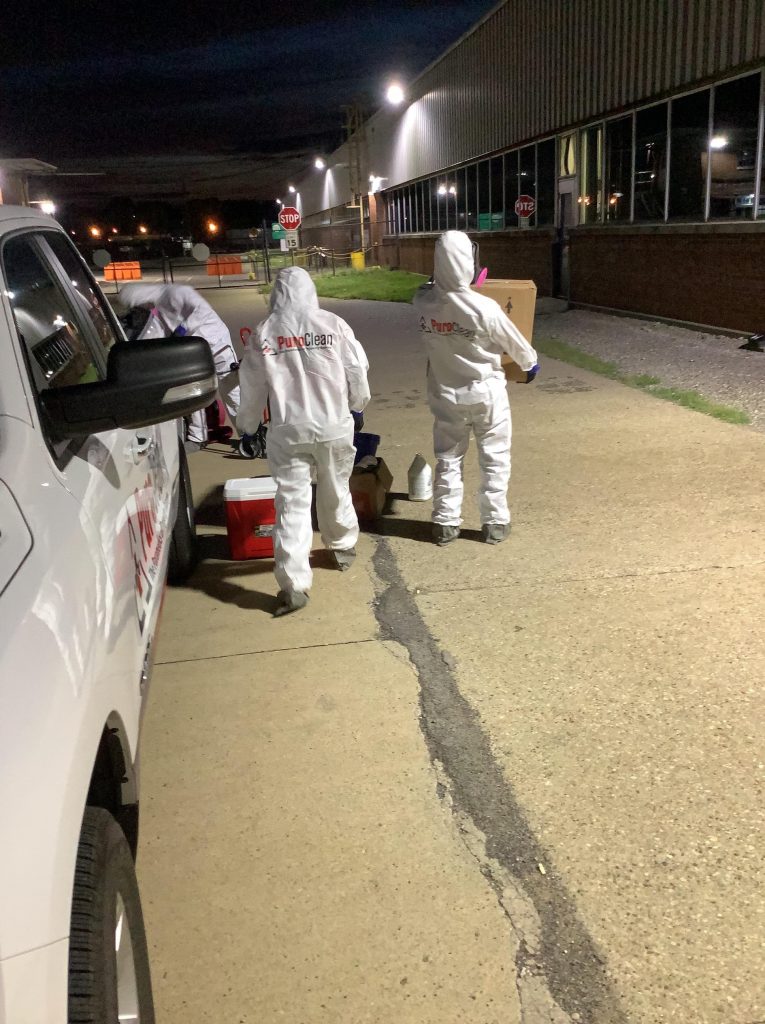
For residents of Greenfield, Indianapolis, and surrounding neighborhoods, PuroClean Disaster Restoration provides immediate professional assistance for mold concerns. Their certified technicians can assess your situation, identify hidden mold sources, and remediate problems safely and completely.
Don’t wait until minor mold issues become major health crises. If you’re experiencing symptoms or have discovered mold in your home, call PuroClean Disaster Restoration at (317) 467-4436 for immediate assistance. Their team understands the urgency of mold situations and provides rapid response to protect your family’s health.
Frequently Asked Questions
Can you get sick from sleeping on a moldy pillow for one night?
A single night of exposure typically won’t cause serious illness in healthy individuals, but sensitive people may experience immediate allergic reactions like sneezing, congestion, or headaches. The real danger comes from repeated exposure over weeks and months. If you discover your pillow has mold, don’t use it again, even if you feel fine after one night.
How long can you sleep on a moldy pillow before health effects appear?
The timeline varies dramatically based on individual sensitivity, mold type, and exposure level. Some people notice symptoms within days, while others may not recognize problems for several months. Certain individuals with mold allergies react almost immediately, while those without pre-existing sensitivities might experience gradual symptom onset. Regardless of your current health status, any confirmed mold exposure should be eliminated immediately.
Does washing a pillow kill mold completely?
Washing may kill surface mold and remove some spores, but it cannot eliminate mold that has penetrated deep into pillow filling. Additionally, the washing process adds moisture that can actually encourage mold regrowth if the pillow doesn’t dry completely and quickly. For pillows with confirmed mold growth, replacement provides the only truly safe solution.
What type of mold typically grows on pillows?
Common pillow molds include Aspergillus (appears black or gray), Cladosporium (appears olive-green or brown), Penicillium (appears blue or green), and Alternaria (appears dark brown or black). All produce allergens and potential mycotoxins. You don’t need to identify the specific type; any mold growth on pillows warrants immediate replacement.
Are expensive pillows less likely to develop mold?
Price doesn’t guarantee mold resistance. Quality construction and antimicrobial treatments help, but improper care allows mold growth on even premium pillows. A $200 pillow exposed to constant moisture will develop mold just as readily as a $20 one. Focus on proper maintenance, environmental control, and regular replacement regardless of pillow cost.
Can pillow mold cause permanent health damage?
Most people fully recover once mold exposure stops, especially if caught relatively early. However, prolonged exposure to high mold levels can potentially cause lasting respiratory damage, chronic sinus issues, or sensitization that creates permanent mold allergies. People with compromised immune systems face higher risks of serious complications. Early intervention prevents most serious outcomes.
How can you tell if bedroom symptoms are from mold or something else?
Key indicators suggesting mold include symptoms that worsen at night or upon waking, improvement when spending nights away from home, multiple family members experiencing similar issues, musty odors in the bedroom, and visible moisture problems or water damage history. Medical testing can also identify mold allergies specifically. When in doubt, eliminate potential mold sources and monitor for improvement.
Do air purifiers help with mold spores from pillows?
Air purifiers with HEPA filters can capture airborne mold spores, reducing overall exposure. However, they cannot eliminate mold growing inside your pillow. Think of air purifiers as helpful supplementary protection, not a replacement for removing the mold source itself. Address the root cause first, then use air purification for additional protection.

Conclusion
The dangers of mold on pillows extend far beyond simple discomfort. From respiratory damage and severe allergies to immune suppression and neurological symptoms, the health risks demand immediate attention. Sarah’s story reminds us that mysterious symptoms often have identifiable causes, and sometimes the solution is simpler than we imagine.
Your pillow should be a place of rest and restoration, not a source of toxic exposure. Regular inspection, proper maintenance, and prompt replacement when problems arise protect your health and ensure the sleep your body needs to function optimally.
If you live in Greenfield, Indianapolis, or nearby communities and have concerns about mold on your pillows or elsewhere in your home, professional help is just a phone call away. PuroClean Disaster Restoration’s experienced team can assess your situation, answer your questions, and provide comprehensive solutions to keep your home safe and healthy.
Don’t let mold compromise another night’s sleep. Take action today to protect yourself and your family. Contact PuroClean Disaster Restoration at (317) 467-4436 for immediate assistance with any mold concerns in your home.