


| Key Takeaways for Homeowners Biohazard contamination can go undetected until it causes serious structural and health damage. IICRC S500 and S520 standards define the protocols that certified professionals must follow. Three specific warning signs should trigger an immediate call to a remediation team. DIY cleanup of biohazard materials can worsen contamination and expose you to pathogens. Greenfield and greater Indianapolis homeowners face unique risks due to regional climate patterns. PuroClean Disaster Restoration is available 24/7 at (317) 467-4436. |
When disaster strikes your home in Greenfield, Indiana, or anywhere in the greater Indianapolis metro area, the situation can escalate from manageable to catastrophic in a matter of hours. Biohazard contamination is one of the most misunderstood and underestimated threats that residential property owners face. Unlike a broken pipe or a roof leak, biohazardous conditions often lurk silently behind walls, beneath floors, or in crawl spaces, quietly compounding until the cost of remediation skyrockets.
This guide was written to help Greenfield and Indianapolis homeowners recognize the three most alarming signs that they are dealing with a biohazard situation requiring certified professional intervention. Understanding these signs could save you thousands of dollars, protect your family’s health, and help you act before the damage becomes irreversible.
What Is Biohazard Remediation? An IICRC-Grounded Definition
Biohazard remediation refers to the professional process of identifying, containing, removing, and decontaminating biological agents that pose a risk to human health. These agents include bloodborne pathogens, bodily fluids, sewage backflow, animal waste, decomposition byproducts, and certain categories of mold contamination involving mycotoxins.
The industry benchmark for this work is governed by the IICRC S500 Standard for Professional Water Damage Restoration and the IICRC S520 Standard for Professional Mold Remediation. These standards establish the scientific framework for how certified technicians assess contamination levels, establish containment zones using negative air pressure, select appropriate antimicrobial biocide treatments, and verify that affected areas are safe for reoccupancy.
In Indiana, remediation contractors operating in Greenfield and Indianapolis are expected to adhere to these standards, and homeowners are well-served by verifying that any company they hire holds current IICRC certification.
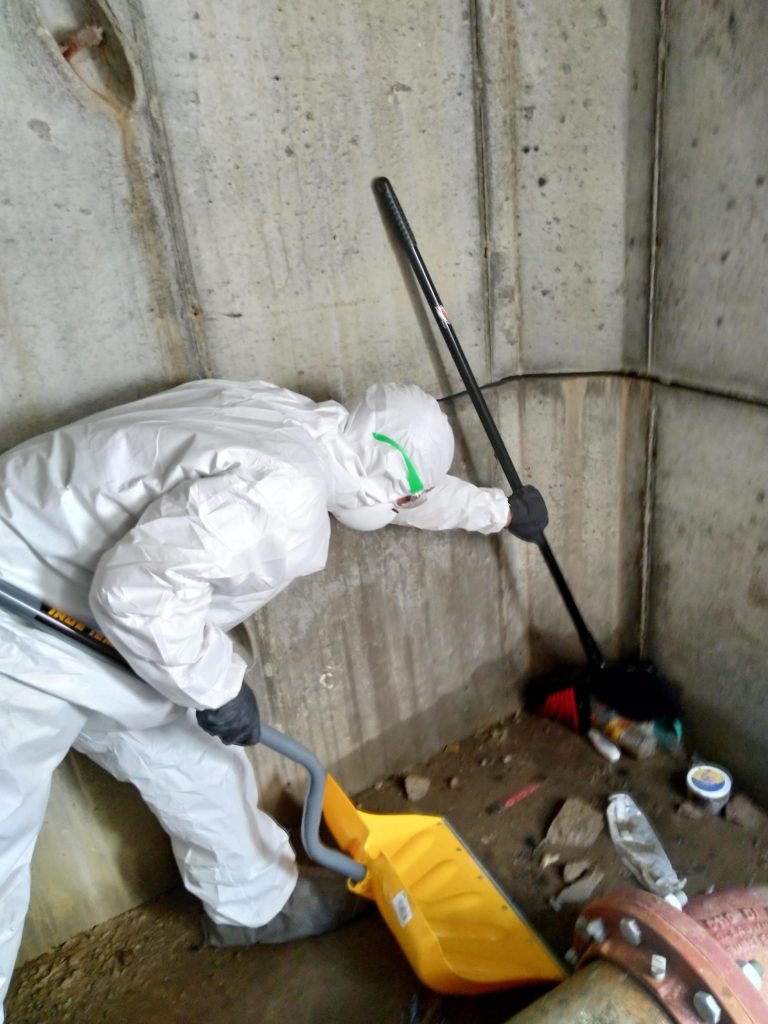
Sign 1: Persistent, Unexplained Odors That Do Not Respond to Cleaning
One of the earliest and most reliable indicators of a biohazard problem in your home is an odor that simply will not go away no matter how much you clean. In Greenfield and the surrounding Indianapolis area, many homes were built in the mid-20th century, featuring older construction techniques that allow moisture to migrate through foundation walls and subflooring. This moisture creates the perfect environment for bacterial decomposition and mold colonization.
A musty, earthy smell that persists after cleaning is often the byproduct of active mold growth. When mold colonies produce mycotoxins, those microscopic chemical compounds can be detected in the air long before visible mold growth is apparent. Similarly, a foul or sweet-smelling odor that lingers in a basement, crawl space, or bathroom may indicate sewage contamination or the early stages of organic material decomposition.
Why This Sign Is Costly to Ignore
Odor-producing biohazards tend to involve active biological processes. The longer they are left unaddressed, the deeper the contamination travels into porous materials like drywall, insulation, and structural timber. By the time the odor becomes undeniable, HEPA filtration and surface-level antimicrobial biocide treatment alone may no longer be sufficient. Structural material removal and replacement often becomes necessary, dramatically increasing restoration costs.
What a Certified Team Will Do
A certified biohazard remediation team will deploy moisture mapping technology to trace the source of organic material growth, establish containment zones with negative air pressure to prevent cross-contamination to clean areas of the home, and use industrial-grade HEPA filtration units to capture airborne particulates including mold spores and mycotoxins. They will then apply EPA-registered antimicrobial biocide solutions to affected surfaces and conduct post-remediation verification testing.
| Smell Something That Won’t Go Away? PuroClean Disaster Restoration serves Greenfield, Indianapolis and surrounding neighborhoods. Call now for a free assessment. Call: (317) 467-4436 |
Sign 2: Visible Water Damage Combined With Discoloration or Biological Growth
Water damage is the single most common precursor to biohazard conditions in Indiana homes. The state’s continental climate means Greenfield residents experience significant seasonal temperature swings, from humid summers with high dewpoints to ice-storm winters that can drive water intrusion through roof damage or burst pipes. The result is a cyclical pattern of wetting and drying that, when not properly managed, creates ideal conditions for biological growth.
If you notice water stains on ceilings or walls accompanied by black, green, or white discoloration, you may be looking at active mold colonization. If that discoloration follows a flood event, sewage backup, or plumbing failure, the risk profile is significantly more serious. Category 3 water, as defined by IICRC S500, includes sewage and highly contaminated floodwater. Contact with Category 3 water means the affected materials are classified as biohazardous and must be handled with full personal protective equipment by trained technicians.
Indiana Climate and Regional Housing Factors
Older homes in the Greenfield area, particularly those built before modern vapor barriers and building code updates required by Indiana residential code, are especially vulnerable to water intrusion in basements and crawl spaces. The psychrometrics of Indiana’s summer humidity create conditions where ambient air moisture condenses on cool surfaces, feeding mold colonies even without a visible water event. This makes biohazard conditions in older Indianapolis-area homes particularly insidious.
The Critical Difference Between Mold and Biohazard
Not all mold is classified as biohazardous, but mold accompanied by sewage contamination, bloodborne pathogens, or rodent infestation always falls under biohazard protocols. A certified remediation team can assess the contamination category and determine whether the situation calls for standard mold remediation or full biohazard decontamination procedures under IICRC S520 standards.
Sign 3: Evidence of Sewage Backflow, Rodent Infestation, or Trauma Contamination
The third and most urgent sign that you need a professional biohazard remediation team is direct evidence of sewage overflow, rodent infestation waste, or any situation involving bodily fluids or human remains. These scenarios involve pathogens including bacteria such as E. coli and Salmonella, viruses, and in the case of rodent infestations, the risk of hantavirus exposure.
In Greenfield and the eastern Indianapolis suburbs, aging municipal sewer infrastructure combined with heavy rainfall events can result in sewage backflow into residential basements. This is not a cleanup job for household disinfectants or a shop vacuum. Sewage backflow introduces fecal coliform bacteria, hepatitis A, and other serious pathogens into your home environment. Contact with contaminated materials without proper personal protective equipment, containment protocols, and antimicrobial biocide treatment places household members at real health risk.
Rodent Infestation Biohazards
Rodent droppings, urine, and nesting materials are classified as biohazardous because of the pathogens they harbor. Disturbing dried rodent waste without proper HEPA respirators and containment procedures can aerosolize hantavirus particles. A certified remediation team will treat rodent-affected areas as biohazardous zones, using negative air pressure containment and full decontamination protocols before clearing materials.
Trauma and Unattended Death Scenes
Unattended death scenes and trauma situations involving bloodborne pathogens require biohazard remediation under OSHA Bloodborne Pathogens Standard 29 CFR 1910.1030. These situations are handled by certified technicians with specific training in pathogen containment, and they require licensed disposal of biohazardous waste materials. This work is never appropriate for homeowners to attempt themselves.
| Facing a Sewage Backup, Rodent Contamination, or Trauma Scene? PuroClean Disaster Restoration responds 24/7 to biohazard emergencies across Greenfield, Indianapolis, and all surrounding communities. Call Immediately: (317) 467-4436 |
Why DIY Biohazard Cleanup Always Makes Things Worse
Attempting to clean up biohazardous materials without professional training, equipment, and certification does not reduce the problem. It spreads it. Here is what happens when homeowners attempt DIY biohazard cleanup:
- Cross-contamination occurs when biohazardous particles are tracked into clean areas of the home on shoes, clothing, and cleaning tools.
- Without HEPA filtration and negative air pressure containment, disturbing biohazardous materials like mold colonies or dried sewage aerosolizes pathogens and mycotoxins throughout the home’s HVAC system.
- Household disinfectants are not EPA-registered antimicrobial biocide formulations. They create a false sense of cleanliness while leaving pathogens viable in porous materials.
- Without moisture mapping, the moisture source driving biological growth is never identified, meaning contamination returns within weeks of surface cleaning.
- Insurance claims for biohazard events are more likely to be denied when evidence shows the homeowner disturbed the contamination before a certified assessment was completed.
Frequently Asked Questions About Biohazard Remediation in Greenfield and Indianapolis
Does home insurance cover biohazard remediation in Greenfield, Indiana?
Coverage depends on the cause and the policy type. Most standard homeowner policies cover sudden and accidental events such as sewage backflow from a municipal main line or burst pipe damage. Gradual moisture damage leading to mold growth is frequently excluded. Trauma scenes and unattended death cleanup may be covered under a riders clause or through a supplemental policy. Always contact your insurer before beginning remediation, and document everything with photographs and written reports from your certified remediation team.
How long does professional biohazard remediation take?
Timeline varies widely depending on the type of contamination, the square footage affected, and the severity of penetration into structural materials. A contained sewage event in a single bathroom may be resolved in 24 to 48 hours. Extensive mold remediation involving structural materials can take 5 to 10 days or longer. Your remediation team should provide a detailed scope of work before starting.
Is mold always a biohazard?
Not all mold is treated as a biohazard under IICRC S520, but mold involving mycotoxin-producing species such as Stachybotrys chartarum, combined with sewage contamination or other pathogen exposure, does trigger biohazard protocols. A certified industrial hygienist or remediation professional can conduct air sampling and surface testing to determine the contamination category.
Can I stay in my home during biohazard remediation?
This depends on the scope of the remediation. For minor, contained events, displacement may not be necessary. For large-scale sewage contamination, mold remediation involving negative air pressure and antimicrobial biocide application, or any situation involving aerosolized pathogens, temporary relocation is strongly recommended for all household members, especially children, elderly individuals, and those with respiratory conditions.
What certifications should a biohazard remediation company in Indianapolis hold?
Look for IICRC certification (Water Damage Restoration Technician and Applied Microbial Remediation Technician credentials), OSHA compliance training for bloodborne pathogen handling, and proper licensing for biohazardous waste disposal under Indiana Department of Environmental Management guidelines.
Why Greenfield and Indianapolis Homeowners Trust PuroClean Disaster Restoration
PuroClean Disaster Restoration has built its reputation in the Greenfield, Hancock County, and greater Indianapolis area on certified, science-based remediation services delivered with genuine empathy for the families and individuals we serve. We understand that a biohazard event in your home is not just a property issue. It is a crisis that affects your sense of safety, your family’s health, and your financial wellbeing.
Our technicians are trained to IICRC S500 and S520 standards, equipped with industrial HEPA filtration systems, moisture mapping technology, EPA-registered antimicrobial biocide solutions, and full personal protective equipment to handle every category of biohazard event safely and thoroughly.
We work with your insurance company, document the remediation process thoroughly, and restore your home to a safe, certified condition as efficiently as possible.
| Do Not Wait. Biohazards Get Worse With Time. Call PuroClean Disaster Restoration now for 24/7 emergency response across Greenfield, Indianapolis, Lawrence, Fishers, and all surrounding neighborhoods. Call Now: (317) 467-4436 |