


Key Takeaways for Homeowners
- Certified mold remediation follows ANSI/IICRC S520 standards, not guesswork
- Professional products include HEPA filtration systems, antimicrobial biocides, and moisture mapping technology
- Greenfield and Indianapolis homes face 70-80% summer humidity, creating perfect mold conditions
- Physical removal of mold is required; spraying alone does not meet professional standards
- Call PuroClean Disaster Restoration at (317) 467-4436 for certified, same-day mold assessment
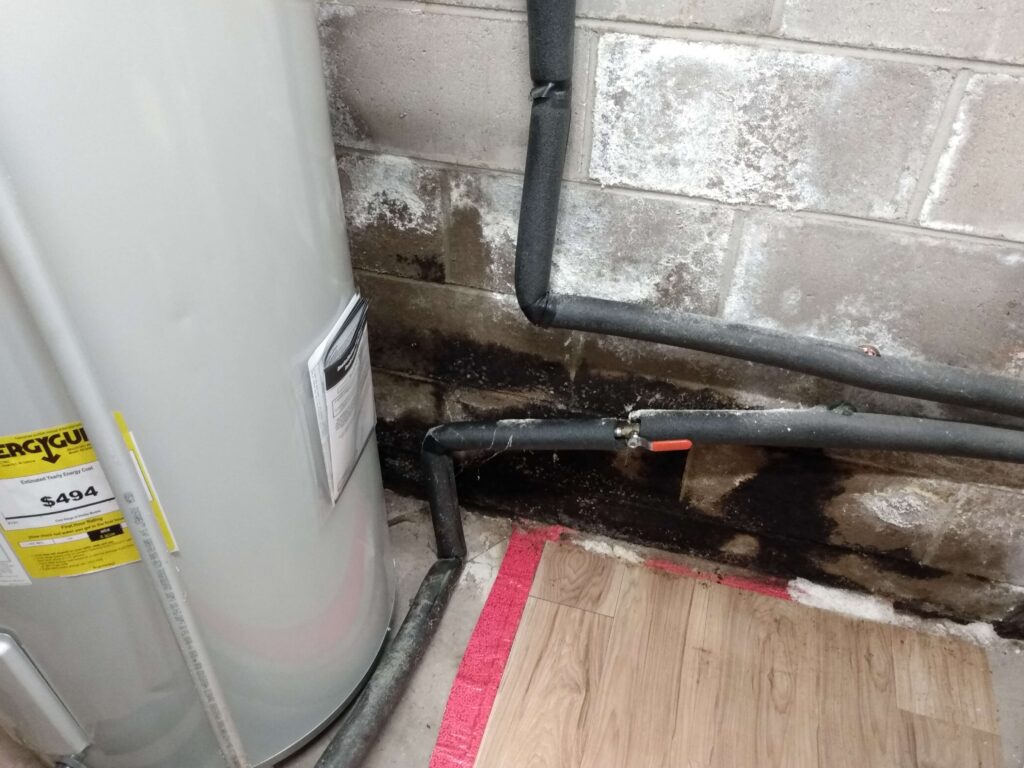
Why Certified Mold Remediation Matters in Greenfield and Indianapolis
Mold is not a surface stain you can wipe away with household cleaner. In Greenfield, Indianapolis, and surrounding Hancock County communities, the humid continental climate creates persistent moisture challenges that feed fungal growth inside walls, crawl spaces, and HVAC systems. Average summer humidity reaches 70-80%, and clay soil conditions trap groundwater against foundations.
The ANSI/IICRC S520 Standard for Professional Mold Remediation governs how certified technicians handle contamination. This standard, recently updated in 2024 and now referenced in the 2026 National Defense Authorization Act for military housing guidelines, establishes that mold must be physically removed, not just treated with chemicals. Dead spores remain allergenic and can trigger respiratory issues even after biocide application.
When you hire a restoration company, you are not paying for a cleanup crew. You are paying for containment engineering, air quality control, and documented verification that your home returns to Condition 1 normal fungal ecology. Anything less risks cross-contamination that can turn a localized basement problem into a whole-house infestation.
Product 1: HEPA Filtration and Negative Air Pressure Systems
What It Is: High-Efficiency Particulate Air filtration combined with negative air machines creates engineered containment zones that prevent spore migration.
Why Experts Use It: Disturbing mold releases microscopic spores that travel through HVAC ducts and settle in clean rooms. The S520 standard mandates engineering controls to prevent this cross-contamination. Negative air pressure machines pull air inward through HEPA filters, ensuring that no contaminated air escapes the work zone.
How It Works in Your Home:
- Polyethylene barriers seal off the affected area with zipper entry systems
- Negative air machines equipped with HEPA filters run continuously during demolition
- Air scrubbers capture particles as small as 0.3 microns
- HVAC vents within the containment zone are sealed to prevent duct contamination
In Indianapolis homes built before modern ventilation standards, this step is critical. Older neighborhoods like Irvington and Fountain Square feature historic homes with interconnected ductwork that can spread contamination to every room if not properly isolated.
Local Application: Greenfield’s newer subdivisions and Indianapolis’s historic districts both require customized containment strategies. Ranch-style homes common in Hancock County often have crawl space HVAC returns that demand specialized sealing protocols.
Product 2: Antimicrobial Biocides and Botanical Cleaning Agents
What It Is: EPA-registered antimicrobial solutions applied after physical removal to treat residual contamination on semi-porous materials.
Why Experts Use It: The 2024 S520 update emphasizes that biocides do not replace physical removal but serve as one tool in a comprehensive protocol. Professional-grade antimicrobial biocides penetrate wood framing and concrete surfaces where hyphae embed deeply. Botanical alternatives using thyme oil compounds offer effective options for homes with chemically sensitive occupants.
Application Protocol:
- Applied only after contaminated drywall, insulation, and porous materials are removed and bagged
- Dwell time follows manufacturer specifications for fungal kill claims
- Damp wiping with HEPA vacuuming follows application to remove residue
- Stain removers are cosmetic only and used after complete source removal per S520 Section 2.1.1
Health Considerations: Mycotoxins produced by certain mold species can persist even after the organism is dead. Professional remediation addresses both the living colony and the toxic byproducts through comprehensive cleaning, not surface spraying.
Product 3: Moisture Mapping Technology and Psychrometric Monitoring
What It Is: Infrared thermal imaging, penetrating moisture meters, and data-logging hygrometers that track moisture content in building materials and ambient air.
Why Experts Use It: The S520 standard requires moisture source correction before project completion. Without identifying the water source, mold returns within weeks. Psychrometrics, the science of air and moisture relationships, guides equipment placement and drying calculations per the companion IICRC S500 water damage standard.
Technology Stack:
- Thermal imaging cameras identify hidden moisture behind walls and under flooring
- Moisture meters measure wood, drywall, and concrete moisture content
- Hygrometers track relative humidity and dew point calculations
- Data loggers provide documentation for insurance claims and post-remediation verification
Indianapolis-Specific Moisture Sources: The Ohio River Valley location creates unique challenges. Spring flooding affects many neighborhoods, while clay soil contributes to basement moisture issues. Common housing styles including mid-century ranch homes and Victorian-era properties in Indianapolis have foundation characteristics that require targeted moisture mapping strategies.
Step-by-Step: What Professional Remediation Looks Like
- Inspection and Assessment: Visual evaluation, moisture readings, and contamination classification (Condition 1, 2, or 3 per S520)
- Containment Setup: Poly barriers, negative air machines, and HVAC sealing
- Engineering Controls: HEPA air scrubbers and dehumidifiers deployed
- PPE Protocol: Respirators, protective suits, and eye protection based on contamination level
- Physical Removal: Controlled demolition of contaminated porous materials
- HEPA Vacuuming and Detailed Cleaning: Damp wiping of all surfaces within containment
- Drying and Moisture Control: Dehumidification to return materials to acceptable moisture levels
- Post-Remediation Evaluation: Visual inspection, moisture verification, and clearance documentation
Geospatial Authority: Why Greenfield and Indianapolis Homes Need Specialized Approach
Hancock County and Marion County present distinct mold risk profiles. Greenfield’s rapid residential growth has introduced newer construction with tighter building envelopes that trap humidity, while Indianapolis’s historic districts feature balloon framing and plaster walls that wick moisture differently than modern drywall.
Local building codes require specific ventilation standards, but many older Indianapolis homes predate these requirements. The combination of high summer humidity, freeze-thaw cycles that damage foundations, and clay soil expansion creates year-round moisture pressure that DIY solutions cannot address.
Regional housing stock includes:
- Pre-1950s bungalows with unvented crawl spaces
- 1960s-1980s ranch homes with slab-on-grade moisture issues
- Newer Greenfield construction with energy-efficient but potentially under-ventilated designs
Frequently Asked Questions
Does home insurance cover mold caused by high humidity in Greenfield or Indianapolis?
Standard homeowners policies typically exclude mold resulting from long-term humidity or maintenance issues. However, mold caused by sudden water damage, such as burst pipes or storm flooding, may be covered if the water damage itself is a covered peril. Documentation using S520 standards strengthens claim defensibility. Contact your carrier immediately after discovery, and have a certified restoration company document the moisture source and remediation scope.
Can I use bleach to kill mold in my basement?
Bleach is not recommended for porous materials and does not meet S520 standards. The 2024 S520 update specifically discourages spraying products without first physically removing mold. Bleach can also damage wood fibers and may not penetrate deeply enough to address embedded hyphae. Professional remediation uses mechanical removal followed by appropriate cleaning agents.
How long does professional mold remediation take?
Timeline depends on contamination condition and square footage. Small Condition 2 projects may resolve in 2-3 days. Full Condition 3 remediation with structural drying typically requires 5-10 days. Post-remediation evaluation adds 24-48 hours for clearance testing. Your PuroClean technician provides a specific timeline after initial assessment.
Will mold come back after professional remediation?
Recurrence happens only when the moisture source remains unaddressed. S520-compliant remediation includes source correction and moisture verification before project closeout. PuroClean provides documentation showing moisture readings returned to acceptable levels, giving you defensible proof that the underlying cause was resolved.
Is black mold more dangerous than other types?
Stachybotrys chartarum, commonly called black mold, produces mycotoxins that can cause health effects, but all active mold growth degrades indoor air quality. The S520 standard treats all visible mold growth as Condition 3 contamination requiring professional remediation regardless of species identification. Health effects vary by individual sensitivity, not just mold type.
When to Call the Professionals
If you smell musty odors, see visible staining, or have experienced water damage in the past 48 hours, you need immediate professional assessment. Mold colonies expand rapidly when humidity exceeds 60%, and Indianapolis summers provide constant moisture fuel.
PuroClean Disaster Restoration serves Greenfield, Indianapolis, and surrounding communities with IICRC-certified technicians who follow ANSI/IICRC S520 and S500 standards on every project. We provide same-day emergency response, complete documentation for insurance claims, and post-remediation verification that your home’s air quality is restored.
Call (317) 467-4436 now for immediate mold assessment and remediation. Do not let contamination spread to clean areas of your home.