


Key Takeaways for Homeowners
- Do not re-enter a fire damaged structure until the local fire marshal or fire department has declared it structurally safe.
- Document everything with photos and video before any cleanup begins, since this evidence is critical for your insurance claim.
- Soot and smoke residue can continue causing damage to surfaces, fabrics, and HVAC systems for days after the flames are out.
- Water used to extinguish the fire creates a secondary risk of mold growth if structural drying does not begin within 24 to 48 hours.
- Certified restoration under IICRC S500 standards is the safest path to a full recovery, from board up to content restoration.
- PuroClean Disaster Restoration serves Greenfield and the greater Indianapolis area with 24 hour emergency response. Call (317) 467-4436 for immediate assistance.
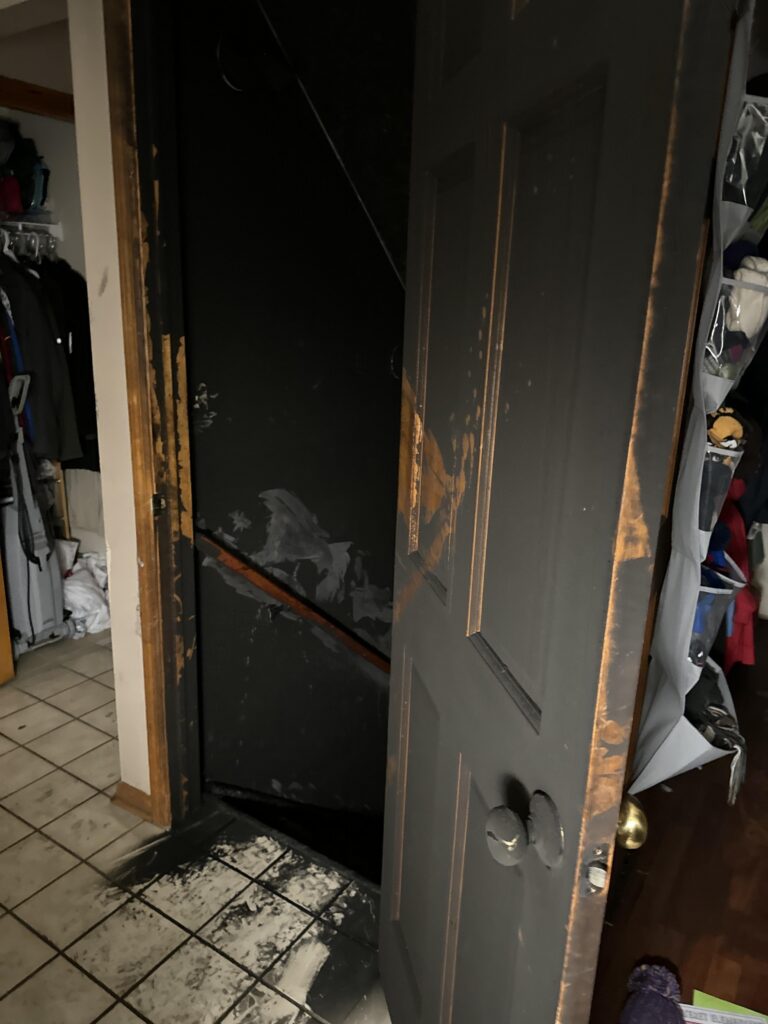
A house fire is one of the most disorienting events a homeowner can experience. In the hours immediately following the flames being extinguished, decisions made, and steps skipped, can determine whether your home is fully restorable or whether preventable secondary damage sets in. This guide walks through six essential steps every Greenfield and Indianapolis homeowner should take right after a house fire, grounded in professional restoration standards and local building considerations.
IICRC S500 as the Authoritative Restoration Standard
Professional fire and water damage restoration is governed by the Institute of Inspection, Cleaning and Restoration Certification (IICRC), specifically the S500 Standard for Professional Water Damage Restoration, which applies directly to the water used by firefighters to extinguish a blaze. This standard defines how certified technicians assess moisture intrusion, structural drying requirements, and contamination categories following a fire event. Any restoration company referencing S500 compliance is operating from this authoritative framework, which is the anchor for everything that follows in this guide.
Step 1: Confirm the Structure Is Safe Before Re-Entry
Do not attempt to re-enter your home until the fire department or a local fire marshal has formally cleared the structure. Fires can compromise load bearing walls, roof trusses, and electrical systems in ways that are not visible from the outside. In Hancock County and throughout the Indianapolis metro, local building code requires an inspection before utilities can be safely restored in a fire damaged home.
Step 2: Document the Damage Thoroughly
Before any cleanup begins, take extensive photos and video of every affected room, including ceilings, walls, flooring, and personal belongings. This documentation becomes the foundation of your insurance claim and helps establish a clear record of the fire’s scope. Homeowners should photograph both obvious char damage and less visible soot residue, since insurance adjusters rely on this evidence to assess the full extent of loss.
Step 3: Contact Your Insurance Provider Immediately
Reach out to your homeowners insurance company as soon as possible after the fire department clears the scene. Ask specifically about coverage for structural repairs, smoke damage, content restoration, and any temporary housing you may need during remediation. Provide your documentation and request a claim number, which you will need when working with a restoration company.
Step 4: Arrange for Board Up and Securing the Property
Fires often leave broken windows, damaged doors, or holes in the roof that expose your home to weather, animals, and potential theft. Professional board up services should be arranged immediately to secure the structure. This step also matters for insurance purposes, since a homeowner is generally expected to take reasonable steps to prevent further damage once the property is accessible.
Step 5: Begin Structural Drying to Prevent Secondary Mold Damage
This is one of the most overlooked steps after a house fire. The water used to extinguish flames can saturate flooring, drywall, and insulation, and if structural drying does not begin within 24 to 48 hours, mold growth becomes a significant secondary risk. Certified technicians use psychrometrics, the science of air and moisture relationships, along with moisture mapping equipment, to identify saturated areas and deploy industrial drying equipment accordingly.
Step 6: Schedule Professional Soot, Smoke, and Odor Remediation
Even in rooms that were not directly touched by flames, soot and smoke particulates can travel through HVAC ductwork and settle on surfaces throughout the home. Professional remediation typically follows this sequence:
- Particulate Assessment. Technicians evaluate the type of soot present, since wet smoke, dry smoke, and protein based residues each require different cleaning approaches.
- HEPA Filtration and Negative Air Pressure Setup. Air scrubbers with HEPA filtration are deployed, and negative air pressure containment is established to prevent soot particles from spreading to unaffected rooms.
- Thermal Fogging or Ozone Treatment. Depending on the severity of smoke odor, technicians may use thermal fogging or ozone treatment to neutralize odor molecules that have penetrated porous materials.
- Antimicrobial Biocide Application. Since firefighting water introduces moisture risk, EPA registered antimicrobial biocide is applied to affected surfaces to prevent mold growth during the drying process.
- Content Restoration or Pack Out. Salvageable belongings are cataloged, packed out, and cleaned off site, while items that cannot be restored are documented for the insurance claim.
- Final Air Quality Verification. A final assessment confirms soot particulate levels and residual odor have returned to acceptable levels before the home is cleared for normal occupancy.
Why Greenfield and Indianapolis Homeowners Face Unique Considerations
Central Indiana’s humid summers mean that firefighting water left standing in a structure can begin supporting mold growth faster than in drier climates, often within just one to two days if drying does not begin promptly. Greenfield’s mix of older ranch style homes built in the 1960s and 1970s, along with newer subdivisions throughout Hancock County, means restoration technicians frequently encounter a wide range of construction types, from older plaster and lath walls to modern drywall and engineered flooring, each of which responds differently to fire, smoke, and water exposure.
Homeowners working with a restoration company should also understand that Indiana building code requires an electrical and structural inspection before utilities can be reconnected in fire damaged homes, an important early step that certified restoration companies typically help coordinate.
Frequently Asked Questions
Does home insurance cover mold caused by high humidity in Greenfield, Indianapolis, after a house fire?
Most standard Indiana homeowners policies cover mold that develops as a direct result of firefighting water, since this is tied to a covered peril rather than ongoing neglect. However, if structural drying is delayed and mold growth is later attributed to homeowner inaction, an insurer may dispute that portion of the claim. This is why prompt professional drying under IICRC S500 standards is so important both for your health and your claim.
How soon after a fire should structural drying begin?
Ideally, structural drying should begin within 24 to 48 hours of the fire being extinguished. Beyond this window, the risk of secondary mold growth increases significantly, particularly in central Indiana’s humid summer months.
Can smoke damage affect rooms that were not touched by flames?
Yes, soot and smoke particulates travel easily through HVAC ductwork and can settle on surfaces throughout the home, even in rooms far from the original fire. This is why a whole home air quality assessment is typically recommended after any significant house fire.
What is the difference between wet smoke and dry smoke damage?
Wet smoke residue typically results from a slow burning, low heat fire and tends to be sticky and smeary, while dry smoke residue comes from a fast burning, high heat fire and appears as a fine, powdery soot. Each requires a different cleaning approach, which is why professional assessment matters before cleanup begins.
Should I try to clean soot damage myself before a professional arrives?
Attempting to clean soot without proper equipment can actually grind particulates deeper into fabric and surfaces, making professional remediation more difficult. It is generally best to avoid touching affected areas until a certified technician can assess the damage.
Get Help Fire Damage Restoration Now, Not Later
Every hour that passes after a house fire increases the risk of secondary water, smoke, and mold damage. If your Greenfield or Indianapolis area home has experienced a fire, do not wait to get professional support in place.
Call PuroClean Disaster Restoration now at (317) 467-4436 for 24 hour emergency response, structural drying, and full fire damage restoration.