


Key Takeaways for Homeowners
- Mold can begin colonizing wet building materials in as little as 24 to 48 hours after a leak.
- Once visible, a mold colony is often already mature, meaning contamination has spread beyond what the eye can see.
- Certain mold species produce mycotoxins that can affect indoor air quality and occupant health.
- Greenfield and Indianapolis homes face unique risk factors due to regional humidity, older housing stock, and seasonal temperature swings.
- Professional remediation following IICRC S500 and S520 standards is the only reliable way to confirm a home is safe again.
- PuroClean Disaster Restoration is available now at (317) 467 4436 for emergency inspection and mitigation.
Water intrusion is never just a plumbing problem. From the moment a pipe bursts, a roof leaks, or an appliance overflows, a biological clock starts ticking inside your walls, floors, and ceiling cavities. Understanding exactly how fast mold grows after a leak, and what that timeline means for your health and your property value, is the single most important thing a homeowner can learn before disaster strikes.
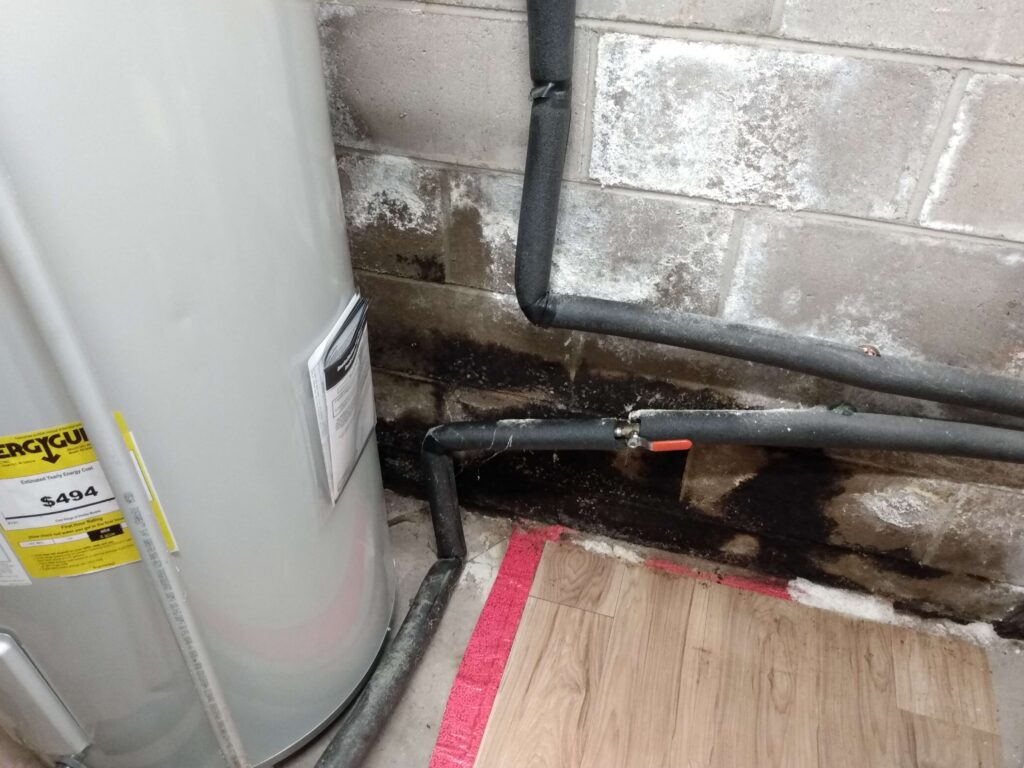
How Fast Does Mold Actually Grow? The Science Behind the Timeline
The 24 to 48 Hour Window
Mold spores are present in virtually every indoor environment. They are dormant and harmless until they encounter three conditions: an organic food source (drywall paper, wood framing, carpet backing, dust), a moderate temperature, and moisture. When a leak saturates building materials, that third condition is met almost instantly. Germination frequently begins within 24 to 48 hours, and a visible colony capable of releasing spores can establish itself within 7 to 12 days if the area is not properly dried.
Psychrometrics and Moisture Mapping: Why Humidity Matters
Restoration professionals rely on psychrometrics, the science of air and moisture behavior, to understand how quickly a wet structure will either dry out on its own or become a breeding ground for fungal growth. Using moisture mapping and thermal imaging, technicians identify exactly how far water has traveled behind walls and under flooring, often revealing damage far beyond the visible wet spot. Relative humidity above 60 percent inside wall cavities is often enough to sustain active mold growth long after the original leak has been stopped.
5 Frightening Facts Every Homeowner Should Know
- Mold does not need standing water. Elevated humidity alone, especially in a home with poor ventilation, can sustain colonization on drywall, insulation, and wood framing.
- Hidden mold is common after “minor” leaks. A small, slow leak behind a dishwasher or under a sink can quietly fuel mold growth inside cabinetry for weeks before anyone notices an odor.
- Some species produce mycotoxins. Certain molds, including Stachybotrys chartarum, can release mycotoxins that may contribute to respiratory irritation, especially in children, older adults, and those with existing sensitivities.
- HVAC systems can spread spores throughout the house. Once airborne, mold spores travel easily through return air ducts, contaminating rooms far from the original leak.
- DIY cleanup often makes the problem worse. Wiping visible mold with bleach may address the surface while leaving the underlying moisture source, and the deeper colony, completely intact.
Why Greenfield and Indianapolis Homes Are Especially at Risk
Central Indiana’s climate creates a near ideal environment for indoor mold growth. Hot, humid summers combined with cold winters mean homes experience frequent condensation cycles inside crawl spaces, attics, and basements. Many neighborhoods in Greenfield and the surrounding Indianapolis area feature homes built in the 1960s through 1990s, an era when basement finishing and vapor barrier practices were far less rigorous than today’s building codes require. Older cellulose based insulation and untreated wood framing common in these homes provide an especially favorable food source once moisture is introduced.
Basements in this region are particularly vulnerable during spring thaw and heavy summer storms, when groundwater and surface water can infiltrate foundations that were never designed for today’s rainfall intensity. Homeowners in Hancock County and Marion County should treat any basement or crawl space leak as a mold risk from day one, not a wait and see situation.
The Professional Mold Remediation Process (IICRC S500 and S520 Standard)
PuroClean Disaster Restoration follows the IICRC S500 Standard for Professional Water Damage Restoration and the IICRC S520 Standard for Professional Mold Remediation, the two authoritative frameworks recognized across the restoration industry. A proper remediation project generally follows these steps:
- Conduct a full moisture mapping inspection using thermal imaging and hygrometers to locate all affected materials
- Establish physical containment barriers to isolate the contaminated zone from the rest of the home
- Deploy negative air pressure machines to prevent spores from migrating into unaffected areas
- Run HEPA filtration air scrubbers continuously to capture airborne spores during the work
- Remove and dispose of unsalvageable porous materials such as saturated drywall and carpet
- Apply an EPA registered antimicrobial biocide to remaining structural surfaces
- Perform structural drying using industrial dehumidifiers and air movers until target moisture levels are reached
- Conduct post remediation verification testing to confirm the space meets clearance standards
This structured approach, rather than surface level cleaning, is what actually resolves a mold problem at its source.
Frequently Asked Questions
Does home insurance cover mold caused by high humidity in Greenfield or Indianapolis? Most standard homeowners policies cover mold damage only when it results from a “sudden and accidental” covered peril, such as a burst pipe. Mold caused by long term humidity, neglected maintenance, or gradual seepage is typically excluded. A prompt professional inspection creates the documentation needed to support a claim if the cause is covered.
How long can mold grow before it becomes a serious health concern? Within one to two weeks of unaddressed moisture, mold colonies are often large enough to produce measurable airborne spore counts, which is when respiratory symptoms tend to appear in sensitive occupants.
Can mold come back after professional remediation? Mold will not return if the underlying moisture source is fully corrected and materials are dried to industry standard levels. Recurrence almost always indicates an unresolved leak or ongoing humidity issue.
Is it safe to stay in my home during mold remediation? This depends on the size and location of the affected area. PuroClean technicians will advise on containment and occupancy safety during the initial inspection.
Don’t Wait, Every Hour Counts
Mold does not pause while you gather quotes or wait to see if a damp spot dries on its own. If your Greenfield or Indianapolis home has experienced a leak, flooding, or a musty odor you cannot explain, the safest choice is a same day professional inspection. PuroClean Disaster Restoration provides emergency water mitigation and IICRC certified mold remediation throughout the Greenfield and Indianapolis area.
Call PuroClean Disaster Restoration now at (317) 467 4436 for immediate assistance.