


Reviewed by: This article was reviewed for technical accuracy by PuroClean Disaster Restoration’s IICRC-certified restoration team.
Key Takeaways for Homeowners
- Fire and smoke damage restoration in Greenfield homes follows the IICRC S700 Standard for Fire and Smoke Damage Restoration.
- In most cases, you should not stay in your home until a professional has assessed structural safety, air quality, and hidden smoke penetration.
- Soot and smoke residue are acidic and continue to corrode metal, discolor surfaces, and irritate lungs the longer they sit untreated.
- Homes with forced-air HVAC systems can spread soot particles and odor into every room within hours of a fire, even rooms untouched by flame.
- Older brick homes near downtown Greenfield and postwar ranch homes throughout Hancock County hold smoke odor differently because of their construction materials.
- Insurance companies generally cover professional fire damage assessment and restoration, but documentation before cleanup begins protects your claim.
If your home in Greenfield or the surrounding Hancock County area has fire damage, time matters. Call PuroClean Disaster Restoration at (317) 467-4436 for a 24/7 emergency assessment before you decide whether it’s safe to stay.
What Is the Standard for Fire Damage Restoration?
Professional fire and smoke damage restoration in Indiana follows the IICRC S700 Standard for Fire and Smoke Damage Restoration, published by the Institute of Inspection, Cleaning and Restoration Certification. This standard sets the accepted procedures for assessing structural safety, categorizing smoke residue, and returning a home to a pre-loss condition.
The S700 standard exists because fire damage is rarely limited to the room where the fire started. Heat, pressure, and airflow push smoke particles through wall cavities, HVAC ductwork, and even electrical outlets. A technician trained to S700 protocols evaluates the full scope of contamination, not just the visible char.
For homeowners in Greenfield and the broader Indianapolis metro area, this matters because a fire that looks contained to a kitchen or a single bedroom can leave soot residue in bedrooms, closets, and attic spaces two or three rooms away. The Indiana State Fire Marshal’s office and local fire departments handle the immediate emergency response and cause investigation, but restoration to a livable, safe condition is a separate technical process governed by S700.
Takeaway: Before you decide whether your home is safe to occupy, get an assessment based on the IICRC S700 standard, not just a visual walkthrough.
Tip 1: Wait for Structural and Utility Clearance First
Fire departments typically clear a structure for re-entry once active hazards are extinguished, but that clearance is not the same as a habitability clearance. Structural framing weakened by heat, compromised electrical wiring, and damaged gas lines can all remain invisible dangers after the fire department leaves.
Before anyone reenters for more than a brief walkthrough, a qualified inspector should check:
- Load-bearing walls, floor joists, and roof trusses for heat-related weakening
- Electrical panels and wiring for scorching or melted insulation
- Gas lines and appliances for leaks or heat damage
- HVAC ductwork for soot infiltration that could recirculate contaminated air
OSHA’s general industry standards under 29 CFR 1910 guide the personal protective equipment and hazard assessment protocols that trained restoration technicians follow when entering a fire-damaged structure, and the same caution applies to homeowners before any extended occupancy.
Takeaway: Treat fire department clearance as permission to check on your property briefly, not permission to move back in.
Tip 2: Understand Why Smoke Odor Means the Home Isn’t Ready
If you can still smell smoke, the home is not fully restored. Smoke odor comes from microscopic soot particles embedded in porous materials such as drywall, carpet padding, upholstery, and wood trim. These particles are acidic and will keep degrading surfaces and irritating your respiratory system as long as they remain.
Restoration technicians use several tools to confirm a home has been fully deodorized rather than just masked. Air scrubbers with HEPA filtration remove airborne particulates during cleanup. Thermal fogging and ozone or hydroxyl treatments, applied by trained technicians, break down odor at the molecular level rather than covering it with fragrance. A technician will also use moisture mapping and visual inspection to find soot that has migrated into wall cavities or above dropped ceilings.
Takeaway: Persistent smoke smell after a fire is a sign that soot removal is incomplete, not a cosmetic issue to live with.
Tip 3: Know Which Smoke Residue Type You’re Dealing With
Not all soot behaves the same way, and the type of residue changes both the health risk and the cleaning method. Restoration technicians classify smoke residue based on what burned and how hot the fire was.
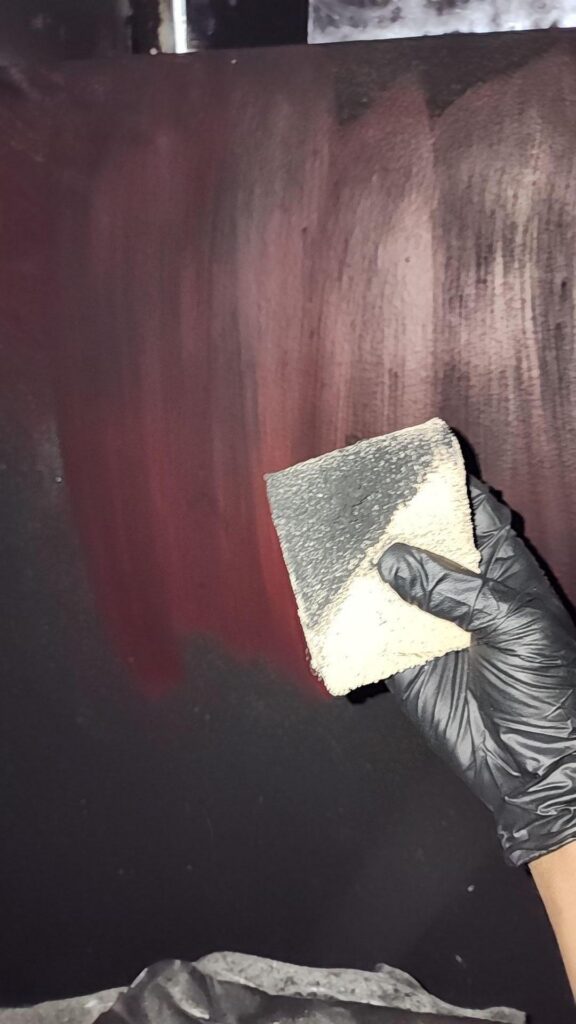
Dry smoke residue, from fast, high-heat fires involving materials like wood or paper, leaves a fine powdery soot that is easier to remove from hard surfaces. Wet smoke residue, from slower, lower-heat fires involving plastics, rubber, or synthetic materials, produces a sticky, smeary residue with a strong odor that penetrates surfaces more deeply and often requires antimicrobial biocide treatment after cleaning to prevent bacterial growth on damp, smoke-coated surfaces. Protein residue, common after kitchen fires, is often nearly invisible but carries an intense odor and can discolor painted surfaces and varnish.
A technician identifies the residue type early because it determines whether dry sponging, wet cleaning, or specialized solvents are needed, and whether cross-contamination risk to unaffected rooms is high.
Takeaway: The type of smoke residue in your home determines the cleaning method, so don’t assume a general household cleaner will fix soot damage.
Tip 4: Watch for Signs of Hidden Fire Spread
Fire and heat can travel through wall cavities, attic spaces, and floor systems well beyond the visibly burned area. A technician trained in S700 protocols uses thermal imaging to detect residual heat pockets and hidden charring that isn’t visible to the naked eye, particularly in older Greenfield homes near the historic downtown where balloon-frame construction can allow fire to travel vertically through wall cavities from basement to attic with little visible warning.
Warning signs that fire spread beyond the visible area include warm spots on walls or ceilings away from the original fire location, discoloration or bubbling paint in adjacent rooms, and a persistent burning smell in areas that appear undamaged.
Takeaway: If a room next to the fire feels warm or smells like smoke, don’t assume the damage stopped at the doorway.
Tip 5: Protect Your Health From Smoke and Soot Exposure
Soot particles are small enough to lodge deep in lung tissue, and older adults, young children, and anyone with asthma or respiratory conditions face elevated risk from prolonged exposure. Even a few hours spent cleaning soot without proper protection can trigger coughing, headaches, and eye irritation.
If you must enter the home before professional cleanup begins, limit time inside, wear an N95 or better respirator, avoid disturbing soot-covered surfaces, and do not run the HVAC system, since this can spread contaminated air throughout the house and force additional cleanup in previously unaffected rooms.
Takeaway: Keep visits brief and protected until a restoration crew confirms the air quality is safe for normal activity.
Tip 6: Have Your HVAC System Inspected Before Running It
Central heating and air systems act like a distribution network for soot. Once smoke enters the return air ducts, every time the system runs it can redistribute fine particulates into rooms that never saw flame or heavy smoke. This is a common issue in the postwar ranch and split-level homes common throughout Hancock County subdivisions, where a single central HVAC system typically services the entire home.
A qualified technician should inspect and, if needed, clean the ductwork, replace filters, and confirm the system is free of soot before it’s used again. Running a contaminated system, even briefly, can undo cleaning work already completed in living spaces.
Takeaway: Don’t turn the furnace or air conditioner back on until ductwork has been checked for soot contamination.
Tip 7: Assess Smoke Damage to Belongings Separately From the Structure
Fire restoration involves two parallel tracks: the structure itself and the contents inside it. Furniture, clothing, documents, and electronics each require different cleaning approaches, and some items may be restorable even when they look ruined.
Textiles and clothing often respond well to specialized ozone or thermal fogging treatment combined with laundering. Electronics exposed to smoke and soot should be evaluated by a professional before being powered on, since corrosive soot residue can damage internal components over time. Photographs, documents, and other porous items require careful handling and sometimes freeze-drying techniques if they were also exposed to firefighting water.
Takeaway: Don’t assume smoke-damaged belongings are a total loss before a professional has evaluated them.
Tip 8: Document Everything Before Cleanup Begins
Insurance claims move faster and more smoothly when damage is documented before any cleaning or repair work starts. Photograph and video every room, including areas with only smoke or odor damage and no visible char, and keep an inventory of damaged belongings with approximate purchase dates and values where possible.
A restoration company that works directly with your insurance carrier, rather than leaving you to manage the claims paperwork alone, can significantly reduce the stress of this process. PuroClean Disaster Restoration offers direct insurance billing and works with adjusters throughout the Greenfield and Indianapolis-metro area, which means homeowners aren’t left coordinating between multiple parties during an already difficult time.
Takeaway: Photograph the damage before anything is moved, cleaned, or thrown away.
Tip 9: Know When Water Damage Compounds the Fire Damage
Firefighting efforts often introduce significant water into a home, which adds a second restoration challenge on top of smoke and soot. Saturated drywall, insulation, and subflooring can develop mold within 24 to 48 hours if not dried properly, and wet smoke residue combined with standing water raises the risk of subfloor delamination and structural weakening.
Restoration crews use dehumidification equipment, including low-grain refrigerant (LGR) dehumidifiers, along with hygrometer readings and psychrometric calculations to confirm materials have dried to an acceptable moisture level, not just to a point where they look dry. Skipping this step is one of the most common reasons homeowners face secondary mold problems weeks after a fire.
Takeaway: If firefighters used water to extinguish the blaze, factor drying and moisture monitoring into your restoration timeline, not just soot cleanup.
Tip 10: Get a Professional Opinion Before Deciding to Stay

Every fire is different, and the right answer to “should I stay” depends on the extent of structural damage, smoke penetration, and air quality, not on how the home looks from the front door. A professional assessment using moisture mapping, thermal imaging, and air quality evaluation gives you an objective answer instead of a guess.
PuroClean Disaster Restoration provides 24/7 emergency dispatch and IICRC-certified technicians who can respond quickly to Greenfield and Hancock County homes, which matters because the sooner an assessment happens, the sooner you know whether the home is safe or how long restoration will realistically take.
If you’re unsure whether it’s safe to stay in your home after a fire, don’t guess. A warm wall, a lingering smell, or a smoke-stained ceiling two rooms away from the fire are all reasons to stop and call a professional before spending another night inside.
Takeaway: When in doubt, get a professional assessment before deciding your home is livable again.
Frequently Asked Questions
Is it safe to sleep in my house the first night after a small kitchen fire?
It depends on smoke spread and air quality, not just the size of the fire. Even a small, contained kitchen fire can push soot through HVAC ductwork into bedrooms. Have the air quality and ductwork checked before assuming a “small” fire means the rest of the home is unaffected.
Does homeowners insurance cover fire damage restoration in Indiana?
Most standard homeowners policies in Indiana cover fire damage, including smoke and soot cleanup, structural repair, and sometimes temporary housing during restoration. Coverage details vary by policy and carrier, so review your specific policy and speak with your adjuster, and consider a restoration company that offers direct insurance billing to simplify the process.
How much does professional fire damage cleanup typically cost?
Cost depends heavily on the size of the fire, how far smoke traveled, and whether water damage is also present. A single-room fire with contained smoke costs significantly less than a fire with whole-house smoke penetration and water damage. A professional assessment provides an accurate scope and estimate specific to your home.
How long does fire and smoke restoration usually take?
Smaller, contained fires with limited smoke spread may be resolved in a few days to a week. Larger fires involving multiple rooms, HVAC contamination, or combined fire and water damage often take two to four weeks or longer, particularly when structural drying and odor treatment are both required.
Can I clean soot myself instead of hiring a professional?
Minor, isolated soot on hard, non-porous surfaces can sometimes be cleaned by a homeowner with proper PPE. However, soot on porous materials, HVAC contamination, or any lingering odor after cleaning are signs the job needs professional-grade equipment and techniques to fully resolve.
What health risks come from staying in a home with unresolved smoke odor?
Lingering smoke odor means soot particles are still present in the air and on surfaces. These particles can irritate the respiratory system, trigger asthma symptoms, and cause headaches or eye irritation with prolonged exposure, particularly for children, older adults, and anyone with existing respiratory conditions.
PuroClean Disaster Restoration Is Here When You Need Us
If a fire has damaged your Greenfield or Hancock County home, don’t navigate the decision to stay or go on your own. PuroClean Disaster Restoration offers 24/7 emergency dispatch, IICRC-certified technicians, and direct insurance billing to make the restoration process as straightforward as possible.
PuroClean Disaster Restoration 625 S. State St., Greenfield, IN 46140 (317) 467-4436