Reviewed for technical accuracy by PuroClean Disaster Restoration’s IICRC-certified restoration team.
A holiday cooking fire starts at the stove, oven, or turkey fryer during a busy gathering, and the damage almost never stays where the flames were. Smoke, soot, grease residue, and firefighting water spread through the whole house within minutes. Professionals measure and manage that spread using the IICRC S700 Standard for Professional Fire and Smoke Damage Restoration, the industry reference for safe, documented fire cleanup. This guide covers what to do in the first hour, what to leave alone, and when Greenfield homeowners should bring in trained help. If the fire is still burning, get everyone out and call 911 before reading any further.
Key Takeaways for Homeowners
- Get everyone outside and call 911 first. Belongings can be replaced, people cannot.
- Never pour water or flour on a grease fire, and keep an oven fire contained by leaving the door closed.
- Smoke and soot keep damaging surfaces after the flames are out, so the first hour and first day shape the final repair bill.
- Photograph and video everything before you clean or move anything, then call your insurance company to open a claim.
- Turn off the heating and cooling system once it is safe, so smoke and soot do not travel through the ductwork.
- Wiping soot with a wet rag usually pushes it deeper into the surface, so leave residue cleanup to trained technicians.
What should you do in the first hour after a holiday cooking fire?
Get everyone outside, call 911, and stay out until firefighters say the house is safe. After that, shut off the HVAC system, photograph the damage, and call your insurer and a fire restoration company. Avoid wiping soot, running fans, or throwing away damaged items until they are documented.
Here is the sequence that protects both your family and your claim:
- Evacuate and call 911. Even a fire that looks out can still burn inside a range hood, cabinet, or wall cavity. Do not go back inside for pets or valuables.
- Contain a small pan fire only if you are trained and it is safe. Slide a metal lid over the pan, turn off the burner, and leave the lid in place. For an oven fire, turn the oven off and keep the door closed. Never use water, flour, or baking powder on grease.
- Let the fire department finish. Crews use thermal imaging cameras to find hidden heat inside walls and ceilings. Ask for the incident report number, because your insurer will want it.
- Turn off the furnace and any fans once you are allowed back in. A running system pulls smoke and soot into the ducts and spreads it to bedrooms and closets, which is a form of cross-contamination that raises the cleaning scope.
- Shut off utilities if told to. Cut the gas to the stove if the crew has not already done so. If water reached outlets or panels, leave the power off until an electrician checks the circuits.
- Document before you touch. Take wide shots and close-ups of every affected room, appliance, and item. Narrate a short video walkthrough.
- Protect without cleaning. Close the kitchen door, place foil or wax paper under furniture legs on wet carpet, and wear gloves and an N95 mask if you must re-enter briefly.
- Call your insurance company, then a restoration company. Opening both conversations the same day keeps the timeline tight.
Practical takeaway: Before you leave the house, write down the fire department report number and take at least twenty photos.
Why does a kitchen fire damage more than the kitchen?
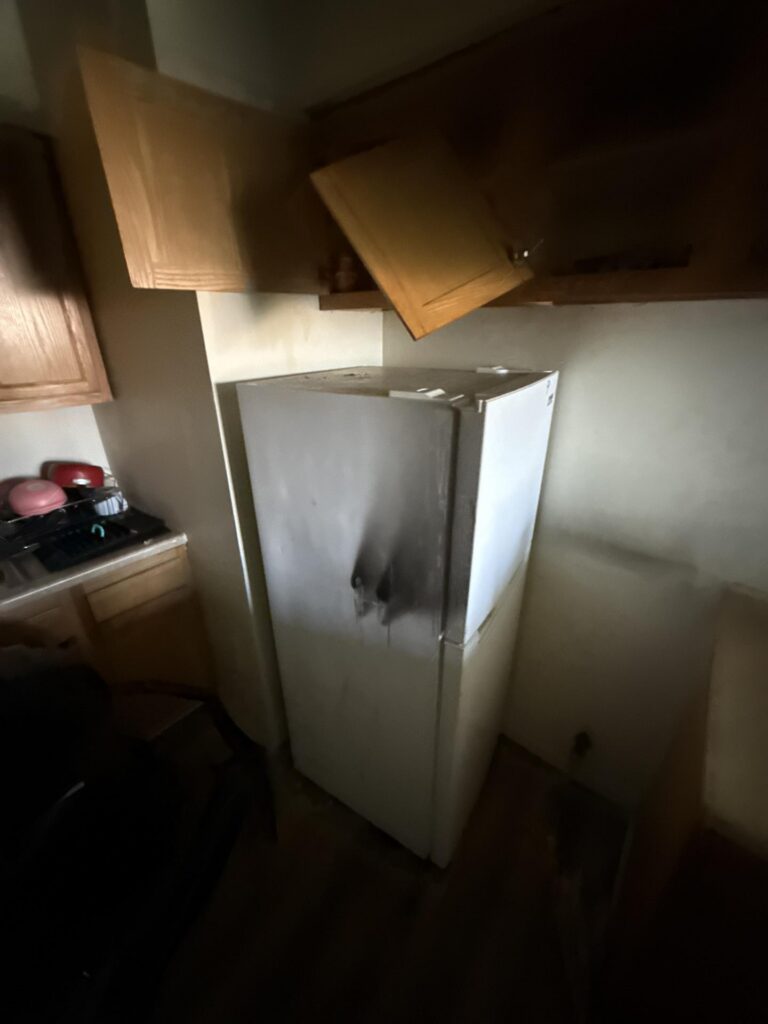
Smoke is a hot, fast-moving mix of gases and particles that rides along ceilings, slips into wall cavities, and enters ductwork. Soot settles on every surface it reaches. Kitchen fires also leave greasy, protein-based residue that is hard to see but strong in odor, and firefighting water adds a second layer of damage.
Not every kitchen fire leaves the same mess. A burnt-food or oven fire often leaves a nearly invisible protein film that discolors varnish and paint and carries a sharp, lingering smell. A grease or oil fire, including a turkey fryer fire, leaves sticky, smeared black soot that grabs onto cabinets and walls. Restoration professionals identify the residue type first, because the wrong cleaning method smears soot into porous surfaces and makes it permanent.
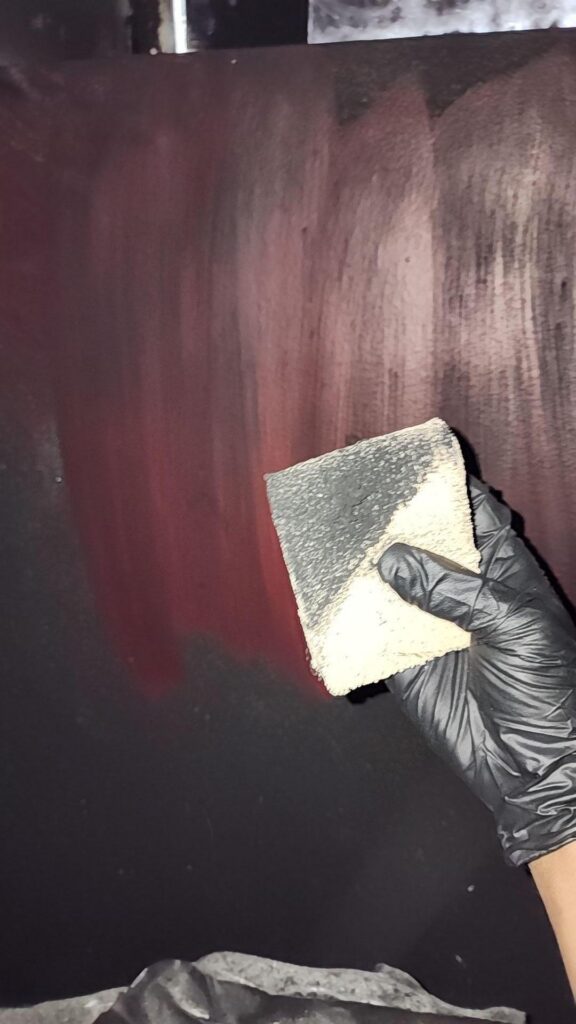
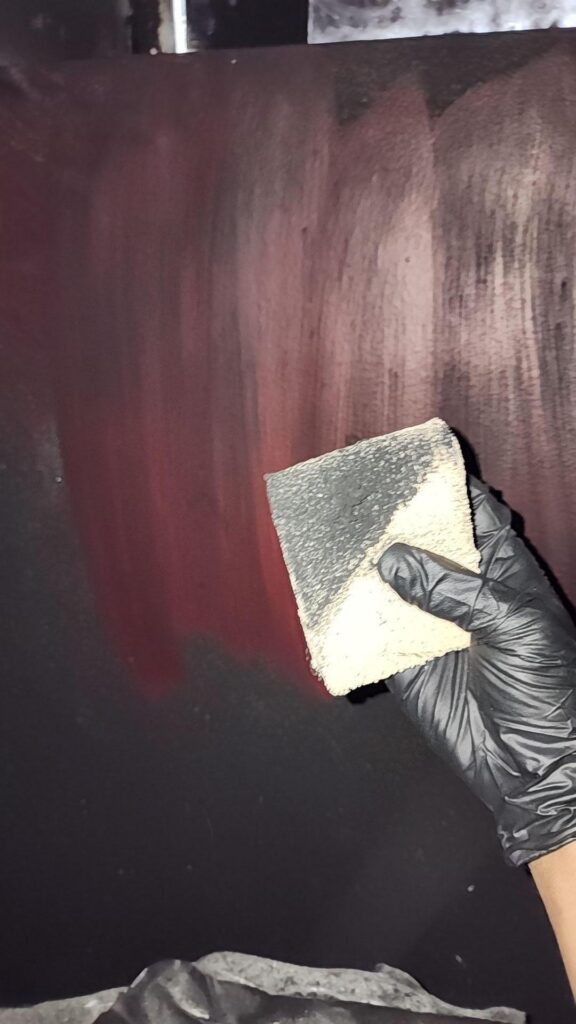
Over time, acidic soot residue can corrode metal fixtures, etch glass, and discolor plastics. Wet wipes and household sprays rarely lift it. A dry soot sponge or a HEPA vacuum is a better first move, which is why technicians start dry before they go wet.
Practical takeaway: Keep hands, rags, and cleaning sprays off soot until a technician has identified what kind of residue you have.
What happens to a home after the fire trucks leave?
Water used to put out the fire soaks drywall, insulation, subfloor, and carpet, and it often mixes with ash and debris. That mixture is typically handled as contaminated water, so wet materials need professional drying and sometimes removal. Left alone, moisture can lead to mold, swollen cabinets, and subfloor delamination within days.
A restoration crew begins with moisture mapping, using moisture meters and thermal imaging to trace water beyond what the eye can see. Next comes psychrometrics, the science of temperature, humidity, and the moisture held in the air. Technicians use those readings to set up low-grain refrigerant (LGR) dehumidifiers and air movers for structural drying, then log hygrometer readings every day until materials reach their dry standard. Fire suppression water that carries soot and ash is treated conservatively, with some of it handled much like Category 3 (black water) until a professional says otherwise.
Season matters in Greenfield. Most holiday fires happen when the house is sealed up against cold weather, so wet materials dry slowly and smoke odor has nowhere to go. Then comes spring. Snowmelt and rain raise the water table across Hancock County, and a basement or wall cavity that stayed damp after a winter fire is far more likely to grow mold when ground moisture and humidity climb in March and April.
Practical takeaway: If anything in the house is still wet 24 hours after the fire, treat it as a mold risk and schedule drying right away.
How do professionals restore a home after a kitchen fire?
Professional fire restoration follows a set order: assess, contain, dry, clean, deodorize, and verify. The IICRC S700 framework guides each stage, and the order matters because cleaning before containing or drying can spread residue to rooms that were never touched by smoke.
- Safety and scope assessment. Technicians check for structural weakness, electrical hazards, and how far smoke traveled, and they build a written scope.
- Contents pack-out when needed. Salvageable items are cleaned off-site so they are not re-exposed to residue.
- Containment barrier and negative air pressure. Poly sheeting seals off the affected area, and a HEPA air scrubber pulls air out through filtration so particles do not drift into clean rooms.
- Water extraction and structural drying. Extractors remove standing water, then LGR dehumidifiers and air movers begin the drying plan.
- Dry soot removal. HEPA vacuums and dry chemical sponges lift loose soot from walls, ceilings, and contents before any liquid touches them.
- Wet cleaning. Detergents matched to the residue type degrease cabinets, walls, and fixtures. Ruined drywall, insulation, or flooring is removed.
- Deodorization. Thermal fogging, hydroxyl generators, or ozone in unoccupied rooms break down odor molecules. Odor-blocking primer seals stubborn surfaces.
- HVAC and duct inspection. Ducts that carried smoke are inspected and cleaned so the odor does not return the first time the furnace kicks on.
- Antimicrobial treatment and verification. A biocide goes onto damp framing, then moisture readings confirm everything is dry before rebuilding begins.
Practical takeaway: Ask any company you hire to explain its containment and drying plan before work begins.
How does Greenfield housing affect fire and smoke damage?
Postwar ranch and split-level homes in Greenfield’s subdivisions have open floor plans and shared duct trunks that carry smoke quickly from the kitchen to every room. Older brick homes near the historic downtown have plaster walls, tight attics, and original masonry that hold odor, so each home type needs its own cleaning plan.
In a ranch or split-level, the basement sits directly below the kitchen. Poured concrete or block foundations are common across Hancock County, and firefighting water that runs down through floor openings can collect there, especially in neighborhoods where the water table is already high. In older brick homes, plaster and lath absorb smoke deeply, aging wiring needs inspection after any fire, and fieldstone or old block basements can seep through original mortar joints when extra water arrives.
Practical takeaway: Ask your restoration team to inspect the basement and attic, not just the kitchen.
What can you keep and what should you throw away?
Throw away open food, anything stored in the kitchen that was exposed to smoke or heat, and medicine that sat near the fire unless a pharmacist approves it. Keep non-porous items such as glass, metal, and hard plastic for professional cleaning. When you are unsure, set the item aside and document it.
- Discard food in open containers, cardboard boxes, and anything that was in the oven or near the stove.
- Do not eat or serve food that was stored in the kitchen during the fire unless it was sealed in a closed refrigerator that stayed cold, and even then check with your insurer first.
- Hold off on throwing out furniture, clothing, and decor. Many items can be cleaned, and your adjuster will want to see them.
Practical takeaway: Make a quick list of discarded items and their approximate value before anything leaves the house.
Why call PuroClean Disaster Restoration in Greenfield?
PuroClean Disaster Restoration pairs 24/7 emergency dispatch with IICRC-certified technicians and direct insurance billing, so Greenfield families get fast local response and less paperwork while they sort out a holiday that went wrong.
Frequently Asked Questions
Does homeowners insurance cover kitchen fire damage in Indiana?
Most standard homeowners policies cover sudden fire damage, including smoke, soot, and firefighting water, though limits and exclusions vary. Open a claim quickly, keep receipts, and document everything. The Indiana Department of Insurance explains consumer rights and claim timelines, and a restoration company that bills insurers directly can simplify the paperwork.
How much does kitchen fire restoration cost in Greenfield?
No honest flat price exists, because cost depends on how far smoke traveled, whether water reached floors or the basement, how many contents need cleaning, and how much material must be replaced. A written estimate after an on-site inspection is the only reliable number. Your insurer may cover much of it.
How long does fire and smoke restoration take?
A contained kitchen fire with limited smoke often needs several days of cleaning and deodorizing. Fires that reach walls, ductwork, or the basement can take weeks, especially when drying and rebuilding are involved. Structural drying alone commonly runs several days, with hygrometer readings confirming when materials reach a dry standard.
Can I clean soot and smoke damage myself?
You can safely tidy non-porous items with gloves and a mask, but you should not wash walls, run the HVAC, or scrub upholstery. Household cleaners often smear protein and grease residue into porous surfaces. If soot has reached vents, ceilings, or more than one room, professional containment and HEPA filtration are the safer choice.
Is smoke and soot residue a health risk after a kitchen fire?
Yes, especially for children, older adults, and anyone with asthma or heart conditions. Fine soot particles and combustion byproducts can irritate eyes, lungs, and throat. Stay out of heavily affected rooms, wear an N95 mask if you must enter, and have air scrubbers with HEPA filtration run before moving back in.
Will the smoke smell go away on its own?
Usually not. Odor molecules settle into drywall, insulation, upholstery, and ductwork, and they can return when humidity rises or the furnace turns on. Lasting removal requires cleaning the source residue first, then deodorizing with thermal fogging or hydroxyl generators and sealing surfaces when needed.
Need Help After a Holiday Kitchen Fire in Greenfield?
PuroClean Disaster Restoration 625 S. State St., Greenfield, IN 46140 Call (317) 467-4436, available 24/7
Serving Greenfield and surrounding Indianapolis-metro neighborhoods in Hancock County, our IICRC-certified technicians handle smoke, soot, and water damage and bill your insurance company directly. Call anytime, day or night, and we will tell you what to do next.