


Key Takeaways for Homeowners
- Act within 24-48 hours to prevent secondary damage like mold growth and structural deterioration
- Never enter your home until the Fire Marshal issues a Certificate of Occupancy declaring it structurally safe
- Document everything before touching anything for insurance purposes
- Hire IICRC-certified professionals who follow S500 (water damage) and S520 (mold remediation) standards
- Greenfield and Indianapolis homeowners face unique challenges with Indiana’s high humidity levels that accelerate mold colonization
- Call PuroClean Disaster Restoration immediately at (317) 467-4436 for 24/7 emergency response in Greenfield, Indianapolis, and surrounding neighborhoods
A house fire is one of the most traumatic experiences a homeowner can face. In the chaos that follows, critical decisions made in the first hours and days can mean the difference between a successful recovery and catastrophic financial loss. For residents of Greenfield, Indianapolis, and surrounding Central Indiana communities, understanding these deadly mistakes is essential for protecting your property, health, and financial future.
Mistake 1: Reentering Your Home Without Official Clearance
After the flames are extinguished, your instinct may be to rush inside and assess the damage. This is one of the most dangerous errors you can make. Under Greenfield Fire Territory Ordinance Sec. 91-232, no structure can be legally occupied until the Fire Chief or Fire Marshal issues a Certificate of Occupancy following a final inspection. This requirement exists because fire compromises structural integrity in ways invisible to the untrained eye.
What You Must Do Instead:
- Wait for official notification from the Greenfield Fire Territory or Indianapolis Fire Department
- Request written verification that all fire protection systems have been inspected
- Ensure acceptance testing has been witnessed for any sprinkler or alarm systems
- Contact PuroClean Disaster Restoration at (317) 467-4436 for immediate board-up and security services
Mistake 2: Underestimating Indiana’s Humidity Impact on Secondary Damage
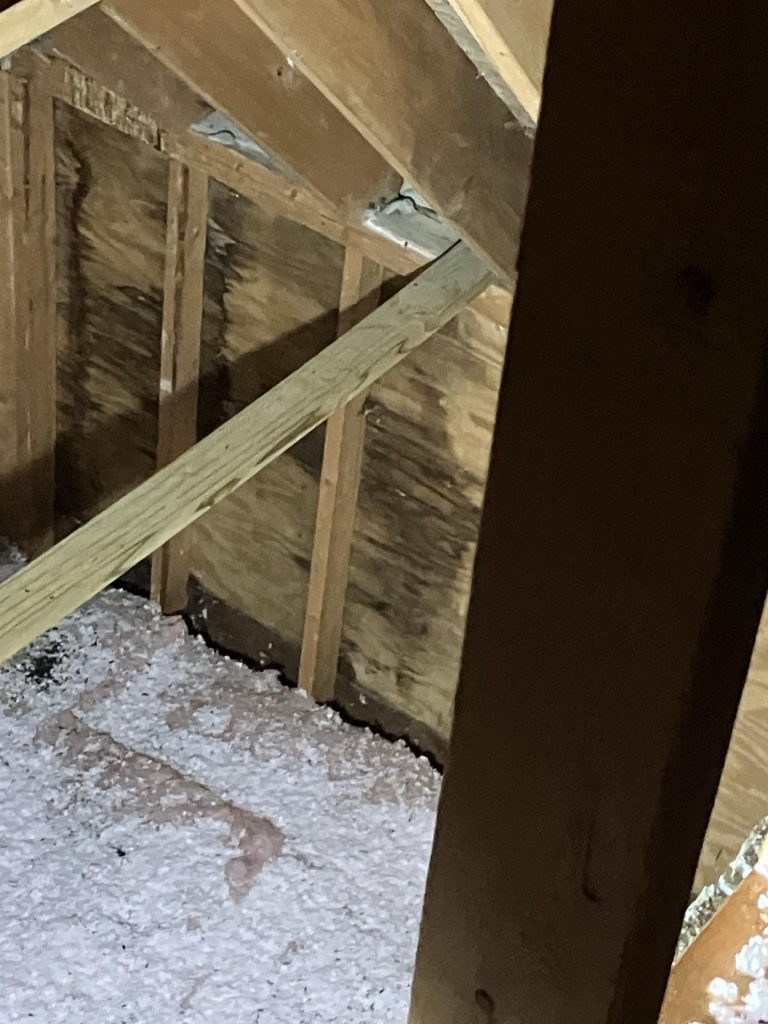
Central Indiana’s climate creates a perfect storm for post-fire complications. The region experiences significant humidity fluctuations, with summer months bringing moisture levels that accelerate mold colonization. According to restoration experts, mold can begin growing within 24 to 48 hours of water exposure. When firefighters extinguish flames with thousands of gallons of water, this moisture combines with Indiana’s humid climate to create ideal conditions for microbial growth.
Critical LSI Entities for Humidity Control:
- Psychrometrics: The science of air and moisture properties that determines drying calculations
- Grain depression: The measurement of moisture removal needed to achieve proper humidity levels
- Dew point monitoring: Essential for preventing condensation on structural materials
- Hygrometers: Devices that track relative humidity to maintain levels below 50%
Mistake 3: Attempting DIY Soot and Smoke Removal
Smoke damage involves complex chemistry that untrained homeowners cannot safely address. Fire produces different types of smoke residues: dry smoke from fast-burning materials, wet smoke from slow-burning synthetic materials, and protein residues from kitchen fires. Each requires specific cleaning agents and techniques governed by IICRC S500 standards for professional water damage restoration.
Why Professional Intervention Matters:
- Soot composition: Contains acidic compounds that continue etching surfaces long after the fire
- Toxic particulates: Include carbon black, polycyclic aromatic hydrocarbons, and volatile organic compounds
- Odor penetration: Smoke odors penetrate deep into structural materials requiring thermal fogging or ozone treatment
- HEPA filtration: Required for safe removal of airborne particulates during cleanup
Mistake 4: Ignoring Water Damage From Firefighting Efforts
The water used to extinguish your fire often causes more long-term damage than the flames themselves. Under IICRC S500 standards, water damage is categorized by contamination level, with firefighting water typically classified as Category 2 (gray water) or Category 3 (black water) depending on what it contacted.
The Science of Secondary Water Damage:
- Moisture mapping: Infrared thermal imaging detects hidden moisture in wall cavities
- Thermography: Reveals temperature differentials indicating trapped water
- Structural moisture content: Wood framing must return to 12-15% moisture content before reconstruction
- Vapor pressure differentials: Drive moisture into unaffected areas if not properly managed
Mistake 5: Delaying Mold Prevention Measures
In Greenfield and Indianapolis, where humidity levels regularly exceed 60% during summer months, mold prevention cannot wait. The Indiana Residential Code (675 IAC 14-4.3) governs structural repair standards, but mold remediation requires adherence to IICRC S520 standards for professional mold remediation.
Essential Mold Prevention Protocols:
- Negative air pressure: Containment systems preventing spore migration to clean areas
- Antimicrobial biocides: EPA-registered disinfectants applied to affected surfaces
- Mycotoxin testing: Analysis of fungal metabolites that pose health risks
- Air scrubbers: HEPA filtration devices removing 99.97% of particles 0.3 microns or larger
- Moisture mapping: Documentation of drying progress using penetrating moisture meters
Mistake 6: Failing to Document Damage for Insurance Claims
Insurance companies require comprehensive documentation before any cleanup begins. Under Indiana law and the Indiana Fire Prevention Code, failure to properly document can result in claim denials or reduced settlements.
Documentation Best Practices:
- Photograph all damage from multiple angles before moving anything
- Inventory all damaged personal property with descriptions and approximate values
- Keep receipts for emergency expenses like temporary housing and meals
- Request copies of all fire department reports and inspection certificates
- Maintain a log of all communications with insurance adjusters
Mistake 7: Hiring Unqualified Restoration Contractors
Not all restoration companies operate with the same level of expertise. IICRC certification ensures technicians understand S500 and S520 standards, but many contractors lack this credential. In Indiana, restoration work plans (RWP) must address four categories of fire damage: thermal damage, smoke damage, water damage from suppression efforts, and odor damage.
What to Verify Before Hiring:
- Current IICRC certification in Fire and Smoke Restoration (FSRT)
- Water Damage Restoration (WRT) certification
- Applied Microbial Remediation Technician (AMRT) certification
- Proper licensing under Indiana contractor laws
- References from recent fire restoration projects in Central Indiana
Mistake 8: Neglecting HVAC System Contamination
Your heating, ventilation, and air conditioning system acts as a distribution network for smoke and soot particles throughout your home. If not properly addressed, these systems continue circulating contaminants long after visible cleanup is complete.
HVAC Restoration Requirements:
- Duct cleaning: Mechanical agitation and HEPA vacuuming of all ductwork
- Coil cleaning: Removal of soot deposits from evaporator and condenser coils
- Filter replacement: Upgrading to MERV 13 or higher filtration during recovery
- System testing: Verification of proper airflow and temperature differentials
- Cross-contamination prevention: Sealing ductwork during structural restoration
Mistake 9: Overlooking Local Building Code Requirements
Greenfield’s Fire Prevention Code requires specific documentation before Certificate of Occupancy issuance, including Record of Completion for Fire Alarm Systems per NFPA 72 and Contractor’s Material and Test Certificates for sprinkler systems per NFPA 13 and 24. Indianapolis has similar requirements under the Indiana Fire Code.
Code Compliance Essentials:
- All repairs must meet current Indiana Building Code standards
- Electrical systems require inspection and approval after fire damage
- Plumbing systems must be tested for integrity before restoration
- Structural repairs need engineering approval if load-bearing elements are affected
- Final inspections by both building officials and fire marshals are mandatory
Mistake 10: Delaying Professional Restoration Services
Time is your enemy after a house fire. Every hour that passes increases the cost and complexity of restoration. PuroClean Disaster Restoration provides 24/7 emergency response to Greenfield, Indianapolis, and surrounding communities, bringing IICRC-certified technicians and industrial-grade equipment to your door within hours.
Immediate Response Protocols:
- Emergency board-up and roof tarping to prevent weather intrusion
- Water extraction and structural drying using desiccant dehumidifiers
- Content pack-out and cleaning of salvageable personal property
- Smoke and soot removal using ultrasonic cleaning technology
- Reconstruction services restoring your home to pre-loss condition
Frequently Asked Questions
Does home insurance cover mold caused by high humidity in Greenfield, Indianapolis?
Coverage depends on your specific policy and the cause of moisture. Most standard homeowners policies cover mold remediation if it results from a covered peril, such as firefighting efforts following an insured fire. However, mold from chronic humidity or maintenance issues is typically excluded. Document all moisture sources immediately and work with your adjuster to establish that mold growth resulted from the fire incident. PuroClean can provide detailed moisture mapping reports to support your claim.
How long before I can return to my fire-damaged home in Indianapolis?
Return timelines vary based on damage severity and code compliance. Under Greenfield Fire Territory Ordinance Sec. 91-232, you cannot legally occupy your home until the Fire Marshal issues a Certificate of Occupancy following final inspection. This process requires successful acceptance testing of all fire protection systems, written verification of proper installation, and completion of all required documentation. Minor fires may allow return within weeks, while major structural damage can require months of reconstruction.
What makes Indiana’s climate particularly challenging for fire restoration?
Indiana’s continental climate creates extreme humidity variations. Summer months bring moisture levels that accelerate mold growth, while winter temperatures slow drying processes and affect material choices. Central Indiana also experiences frequent weather changes that can complicate exterior drying and reconstruction schedules. Professional restoration companies must adjust psychrometric calculations and drying protocols based on these regional factors.
Are there special requirements for historic homes in Indianapolis after fire damage?
Yes. Indianapolis has numerous historic districts with additional preservation requirements. Fire restoration in these properties must balance modern code compliance with historic preservation standards. This often requires specialized techniques for salvaging original materials, custom millwork replication, and approval from historic preservation commissions before exterior alterations.
How does the 50% rule affect fire-damaged homes in Indiana?
Under Ohio Revised Code, if damage exceeds 50% of a home’s market value, the entire structure must be rebuilt to current codes . While this specific statute applies to Ohio, Indiana has similar substantial damage provisions in the Indiana Building Code. This can trigger requirements for energy efficiency updates, accessibility compliance, and modern fire protection system installation that significantly increase reconstruction costs.