


Key Takeaways for Homeowners
- Basement flooding requires immediate action within the first 24-48 hours to prevent secondary damage and microbial amplification.
- DIY cleanup is only safe for Category 1 water under 50 square feet; all other scenarios require IICRC-certified professionals.
- Greenfield and Indianapolis homeowners face unique climate risks including high seasonal humidity and clay-heavy soil that traps moisture against foundations.
- Professional moisture mapping and psychrometric drying prevent hidden mold colonization behind walls and under flooring.
- Call PuroClean Disaster Restoration at (317) 467-4436 for 24/7 emergency basement flood cleanup in Greenfield, Indianapolis, and surrounding neighborhoods.
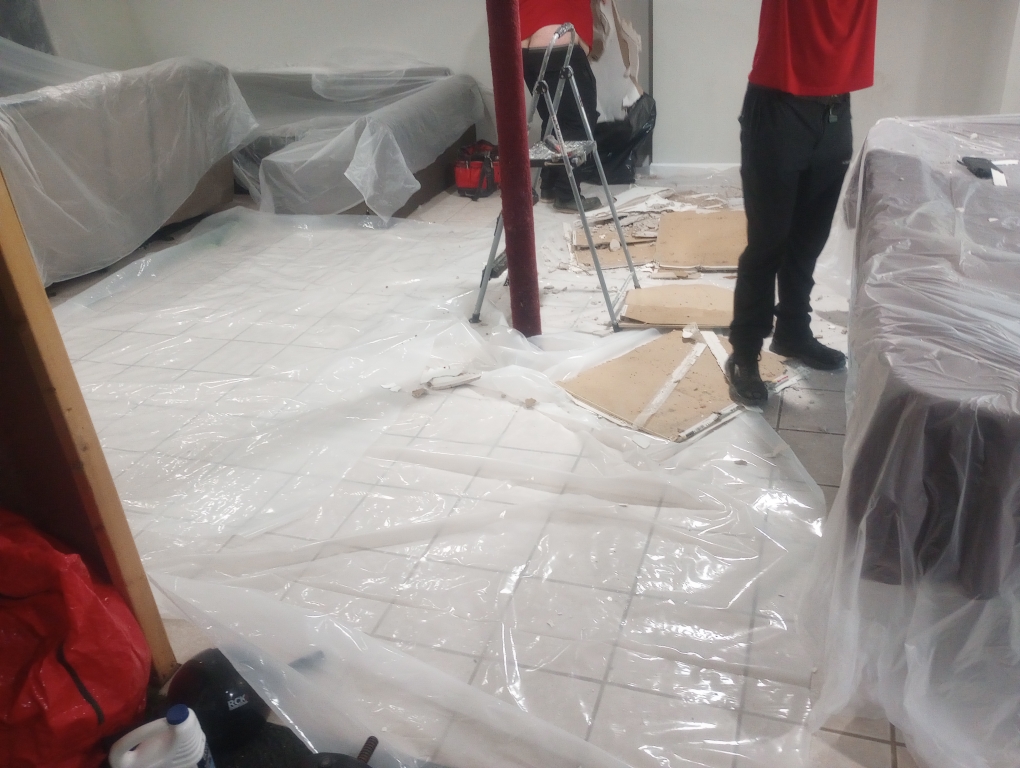
Why Basement Flooding Demands Immediate Professional Response
A flooded basement is not merely an inconvenience. It is a structural emergency that compounds exponentially with every passing hour. Water intrusion activates a cascade of biological and chemical processes that threaten your home’s integrity, your family’s health, and your financial security. The Institute of Inspection, Cleaning and Restoration Certification (IICRC) establishes the S500 Standard for Professional Water Damage Restoration as the definitive framework for addressing these emergencies. When water breaches your basement, you are not just dealing with a puddle. You are confronting a dynamic environment where moisture, organic material, and ambient temperature converge to create ideal conditions for microbial amplification.
For homeowners in Greenfield, Indianapolis, and surrounding Marion County neighborhoods, the stakes are even higher. The region’s humid continental climate produces summer relative humidity levels that routinely exceed 70 percent. When basement flooding occurs during these conditions, evaporation slows dramatically and drying times extend well beyond safe thresholds. Local soil composition, dominated by clay and silt deposits, creates poor drainage around foundations, causing water to pool against basement walls long after surface flooding subsides. Many homes in the area, particularly those built before updated floodplain management regulations, feature porous concrete block foundations that wick moisture inward through capillary action.
This guide delivers ten expert-backed basement flood cleanup tips grounded in IICRC S500/S520 standards. Each recommendation is designed to protect your property, safeguard your health, and help you make informed decisions about when professional intervention becomes non-negotiable.
What Are the IICRC Standards for Water Damage Restoration?
The IICRC S500 Standard defines three categories of water intrusion and four classes of water damage. Understanding these classifications determines whether DIY cleanup is feasible or if you need emergency professional services.
Water Categories Defined
- Category 1 (Clean Water): Originates from a sanitary source such as a broken supply line or overflowing sink. Safe for limited DIY extraction if addressed immediately.
- Category 2 (Gray Water): Contains significant contamination from sources like washing machine discharge or sump pump failures. Requires professional handling due to bacterial and chemical content.
- Category 3 (Black Water): Highly contaminated water from sewage backups, groundwater intrusion, or storm flooding. Poses severe health risks and demands immediate professional remediation under full containment protocols.
Water Damage Classes
- Class 1: Minimal absorption into porous materials. Affects less than 5 percent of structural surfaces.
- Class 2: Significant absorption into cushions, carpets, and subfloors. Requires professional extraction and dehumidification.
- Class 3: Water originates from overhead or saturates walls, ceilings, and insulation. Demands comprehensive structural drying.
- Class 4: Deeply bound water in concrete, hardwood, or plaster. Requires specialized desiccant dehumidification and extended drying cycles.
Most basement flooding events in Greenfield and Indianapolis fall into Category 2 or 3 due to sump pump failures, sewage backups, or groundwater intrusion. These classifications make professional intervention the only safe path forward.
10 Expert-Backed Basement Flood Cleanup Tips
Tip 1: Shut Off Electrical Power Before Entering the Basement
Water and electricity create lethal conditions. Before stepping into a flooded basement, disconnect power at the main breaker panel. If the panel is located in the basement itself, call an electrician or your utility provider. Never assume water levels are safe based on visual assessment. Even shallow flooding can conceal submerged outlets, extension cords, or energized appliances. In older Indianapolis neighborhoods like Irvington or Broad Ripple, outdated electrical systems increase electrocution risk. Document the power disconnection with photos for insurance purposes.
Tip 2: Identify and Stop the Water Source
Locating the intrusion point prevents additional water volume from compounding the damage. Common sources in Greenfield homes include:
- Failed sump pumps during heavy spring rains
- Foundation cracks exacerbated by freeze-thaw cycles
- Backed-up floor drains during municipal sewer system overload
- Burst pipes from Indianapolis’s harsh winter temperature swings
- Improperly sealed window wells during summer thunderstorms
If the source is a plumbing failure, shut off the main water supply. For groundwater intrusion, temporary sandbagging around exterior foundation walls can slow seepage until professionals arrive.
Tip 3: Document Everything for Your Insurance Claim
Photograph and video all standing water, damaged contents, and visible structural compromise before any cleanup begins. Create a detailed inventory of ruined personal property with approximate values. Indiana homeowners insurance policies typically cover sudden and accidental water damage, but coverage exclusions apply to gradual leaks, maintenance neglect, and certain flood scenarios. The National Flood Insurance Program (NFIP) provides separate coverage for homes in designated flood zones, including portions of Greenfield near Brandywine Creek and Buck Creek watersheds.
Tip 4: Extract Standing Water Immediately
For Category 1 flooding under 50 square feet, a wet/dry vacuum may suffice. For larger volumes, submersible pumps and professional-grade extractors are essential. Every hour of standing water increases absorption into drywall, baseboards, and framing lumber. In Indianapolis’s high-humidity environment, Category 1 water can degrade to Category 2 within 48 hours as microbial activity accelerates. Professional extraction equipment removes water at rates exceeding 25 gallons per minute, far beyond consumer-grade capabilities.
Tip 5: Remove Saturated Porous Materials Without Hesitation
Carpet, carpet padding, drywall, and insulation that have absorbed floodwater rarely survive professional remediation. These materials act as reservoirs for moisture and nutrients that fuel mold colonization. The IICRC S520 Standard for Professional Mold Remediation recommends removal of porous materials that have been wet for more than 48 hours. In Greenfield’s climate, this window shrinks considerably. Remove baseboards to expose wall cavities for airflow. Cut drywall 12-18 inches above the visible water line to ensure complete drying of stud bays.
Tip 6: Deploy Industrial Dehumidification and Air Movement
Consumer dehumidifiers cannot achieve the specific humidity levels required for structural drying. Professional restoration companies utilize low-grain refrigerant (LGR) dehumidifiers and desiccant systems that extract moisture from the air at rates of 100-200 pints per day. Air movers create laminar airflow across wet surfaces, accelerating evaporation through controlled psychrometrics. Psychrometrics, the science of air and moisture relationships, dictates that drying efficiency depends on temperature, humidity ratio, and vapor pressure differentials. Technicians monitor these variables with thermal hygrometers to ensure the drying chamber reaches equilibrium moisture content.
Tip 7: Apply Antimicrobial Biocides to Prevent Microbial Amplification
After extraction and initial drying, all affected surfaces require treatment with EPA-registered antimicrobial biocides. These agents inhibit bacterial and fungal growth on structural materials that remain in place. For Category 3 flooding, additional disinfection with sporicidal agents addresses pathogens including E. coli, Salmonella, and enteric viruses. Application must follow manufacturer dilution ratios and dwell times. Improper use can create chemical hazards or fail to achieve microbial kill rates. Professional applicators wear appropriate personal protective equipment (PPE) including respirators, gloves, and eye protection during this phase.
Tip 8: Conduct Comprehensive Moisture Mapping
Visible dryness is deceptive. Moisture meters and thermal imaging cameras reveal hidden water trapped behind walls, under flooring, and within structural cavities. Professional moisture mapping creates a complete picture of the water damage envelope, ensuring no saturated areas escape treatment. In Indianapolis homes with finished basements, moisture often migrates laterally through wall cavities into adjacent rooms. Infrared thermography detects temperature differentials caused by evaporative cooling at wet surfaces, allowing technicians to target drying efforts precisely.
Tip 9: Establish Negative Air Pressure and HEPA Filtration During Mold Remediation
If mold colonization has already begun, containment protocols become critical. Negative air pressure machines (NAMs) create airflow into the containment zone, preventing spore dispersal to unaffected areas of the home. HEPA filtration captures 99.97 percent of particles 0.3 microns in diameter, including mold spores, mycotoxins, and particulate matter. The IICRC S520 Standard mandates these controls for any mold remediation project exceeding 10 square feet of visible growth. Attempting mold removal without containment and filtration exposes occupants to elevated mycotoxin levels that can trigger respiratory distress, allergic reactions, and immunological responses.
Tip 10: Verify Complete Drying Before Reconstruction
Rebuilding over damp substrates guarantees future mold problems and structural decay. Professional restoration concludes only when moisture content readings confirm materials have returned to normal equilibrium levels. Wood framing should read below 16 percent moisture content. Concrete slabs must reach acceptable relative humidity levels for flooring installation, typically below 75 percent per ASTM F2170 standards. Rushing reconstruction invalidates manufacturer warranties and creates liability for future damage. Obtain written documentation of drying completion from your restoration contractor.
Greenfield and Indianapolis: Local Factors That Amplify Basement Flood Risk
Homeowners in Greenfield, Indianapolis, and surrounding Hancock and Marion Counties face distinct environmental and regulatory factors that increase basement flood vulnerability.
Climate and Seasonal Weather Patterns
Central Indiana experiences a humid continental climate with significant precipitation year-round. Annual rainfall averages 42 inches, with spring and early summer bringing the heaviest volumes. The confluence of the White River, Fall Creek, and Eagle Creek creates flood-prone watersheds that impact neighborhoods from Broad Ripple to Fountain Square. Summer humidity levels frequently reach 80-90 percent, dramatically extending drying times for water-damaged basements.
Soil Composition and Foundation Challenges
The glacial till soils prevalent in the region contain high clay content that limits percolation. During sustained rainfall, water tables rise rapidly, exerting hydrostatic pressure against basement walls. This pressure forces water through cracks, joints, and porous concrete. Many homes built during Indianapolis’s mid-20th century housing boom feature unreinforced concrete block walls with minimal waterproofing, making them particularly susceptible to seepage.
Local Building Codes and Floodplain Regulations
Greenfield participates in the National Flood Insurance Program and enforces floodplain management ordinances. Homes constructed in Special Flood Hazard Areas must meet elevation requirements, but older properties may predate these standards. Indianapolis’s combined sewer system, serving much of the urban core, overflows during heavy rainfall events, causing basement backups through floor drains and sanitary sewer laterals. The Citizens Energy Group operates a Basement Backup Prevention Program in affected neighborhoods, but capacity limitations persist during extreme weather events.
FAQ: Complex Questions Homeowners Ask About Basement Flooding
Does Home Insurance Cover Mold Caused by High Humidity in Greenfield, Indianapolis?
Standard homeowners insurance policies typically exclude mold damage resulting from long-term humidity, condensation, or maintenance neglect. Coverage applies only when mold originates from a covered peril, such as sudden pipe rupture or storm damage, and is addressed promptly. In Indiana, insurers may offer limited mold coverage endorsements with caps ranging from $5,000 to $10,000. For comprehensive mold protection, document all water damage immediately and engage certified restoration professionals who provide detailed reporting for claims support. Flood insurance through the NFIP covers mold remediation only when mold results directly from a covered flood event.
How Long Does Professional Basement Flood Cleanup Take?
Timeline varies by water category, damage class, and square footage. Category 1 Class 2 scenarios typically require 3-5 days for complete drying. Category 3 Class 4 events involving sewage or deep groundwater intrusion may extend to 7-14 days. Reconstruction adds additional time. PuroClean Disaster Restoration provides daily moisture monitoring and transparent timeline updates throughout the process.
Can I Stay in My Home During Basement Flood Cleanup?
For Category 1 flooding contained to the basement, occupancy is generally safe with proper ventilation. Category 2 and 3 events require temporary relocation due to bacterial contamination, chemical treatment odors, and airborne particulates. Families with infants, elderly members, or immunocompromised individuals should evacuate regardless of water category. Your restoration contractor will advise on safe re-entry timing based on air quality testing.
What Happens If I Delay Professional Cleanup?
Delay compounds damage exponentially. Within 24 hours, mold spores germinate on wet surfaces. Within 48-72 hours, visible colonization appears. Within one week, structural materials begin losing integrity. Wood rot fungi, including Serpula lacrymans, establish in chronically moist framing. Electrical systems corrode. Insurance claims face denial due to failure to mitigate damage promptly. The cost differential between immediate response and delayed intervention often exceeds 300 percent.
How Do I Choose a Certified Restoration Company in Indianapolis?
Verify IICRC certification in Water Damage Restoration (WRT) and Applied Microbial Remediation (AMRT). Confirm the company carries general liability and pollution insurance. Request references from recent local projects. Ensure 24/7 emergency response capability. PuroClean Disaster Restoration meets all these criteria and serves Greenfield, Indianapolis, and surrounding communities with IICRC-certified technicians and fully equipped response vehicles.
When DIY Ends and Professional Restoration Begins
The boundary between manageable cleanup and professional emergency is not subjective. It is defined by water category, contamination level, affected square footage, and structural complexity. If your basement flooding involves gray or black water, exceeds 50 square feet, has saturated walls or ceilings, or occurred more than 24 hours ago, DIY efforts will likely worsen the outcome. Professional restoration companies deploy industrial extraction equipment, LGR and desiccant dehumidifiers, thermal imaging, moisture mapping, and antimicrobial protocols that no homeowner can replicate.
For residents of Greenfield, Indianapolis, and neighborhoods including Irvington, Broad Ripple, Fountain Square, and the Old Northside, PuroClean Disaster Restoration provides immediate emergency response. Our IICRC-certified technicians arrive with the equipment, training, and local expertise to stop damage progression, restore your basement to pre-loss condition, and protect your family’s health.
Call PuroClean Disaster Restoration now at (317) 467-4436 for 24/7 emergency basement flood cleanup in Greenfield, Indianapolis, and surrounding areas. Every minute counts.