


Key Takeaways for Homeowners
- Mold can double in size within 24 to 48 hours; immediate action is critical to prevent structural damage and health risks.
- DIY containment is effective for small areas (under 10 square feet) but never replaces professional IICRC S520-certified remediation.
- Central Indiana’s humid continental climate creates year-round moisture challenges, especially in basements and crawl spaces.
- PuroClean Disaster Restoration is available 24/7 at (317) 467-4436 for emergency mold assessment and certified remediation across Greenfield, Indianapolis, and surrounding neighborhoods.
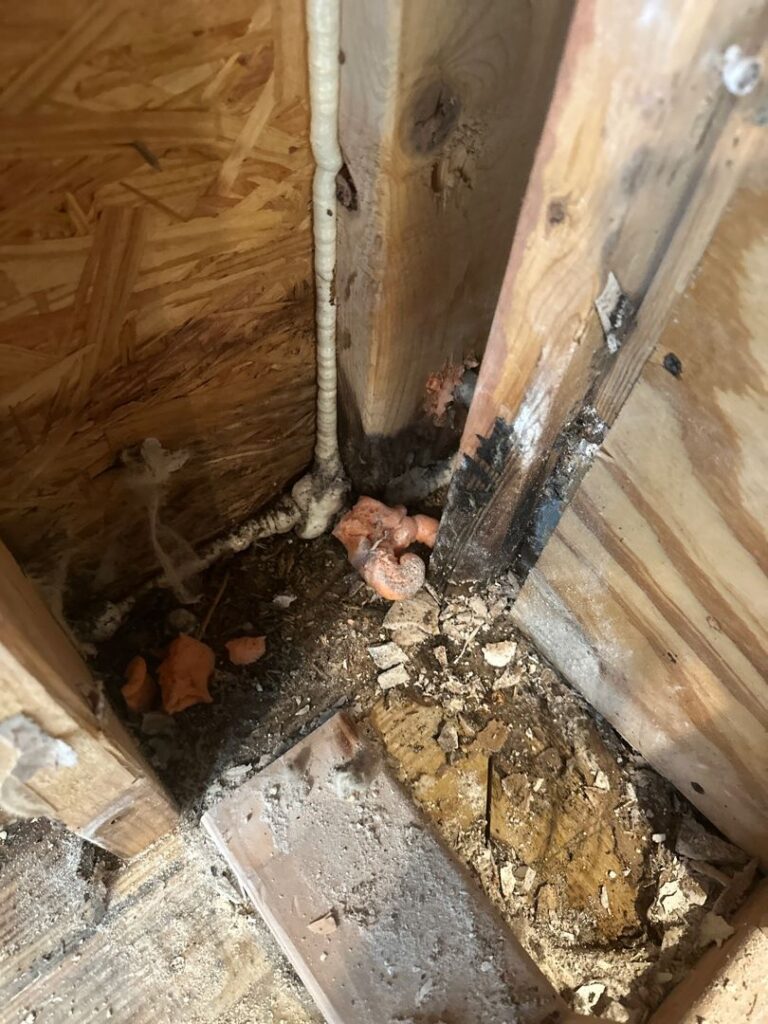
What Is Mold and Why Does It Spread So Fast?
Mold is a living organism that belongs to the fungi kingdom. It reproduces by releasing microscopic spores that travel through air currents and settle on damp surfaces. In the restoration industry, we classify mold damage according to IICRC S520 standards, which define professional remediation protocols based on contamination size and type.
When water intrusion occurs, whether from a burst pipe, roof leak, or flooding, mold begins colonizing within 24 to 48 hours. This timeline is non-negotiable. The longer you wait, the deeper mycotoxins penetrate building materials like drywall, insulation, and subflooring. Mycotoxins are toxic compounds produced by certain mold species, including Stachybotrys chartarum (black mold), and they pose documented health risks ranging from allergic reactions to neurological symptoms.
In Greenfield and Indianapolis, homeowners face unique challenges. Our region experiences hot, humid summers with average July humidity levels exceeding 70 percent, followed by freeze-thaw cycles that stress building envelopes. Many neighborhoods, particularly in historic districts like Fountain Square and Irvington, feature older homes with balloon framing and unventilated crawl spaces. These architectural characteristics create ideal conditions for hidden mold growth behind walls and beneath floor systems.
How Can I Safely Assess the Mold Damage Myself?
Determine the Size and Source of Contamination
Before taking any action, evaluate the scope of the problem. IICRC S520 guidelines distinguish between small, medium, and large contamination areas:
- Small contamination: Less than 10 square feet of visible mold
- Medium contamination: 10 to 100 square feet
- Large contamination: Greater than 100 square feet or HVAC involvement
For small areas, DIY intervention is appropriate. For anything larger, or if you suspect hidden mold behind walls, call PuroClean Disaster Restoration immediately at (317) 467-4436. Our technicians use moisture mapping and thermal imaging to locate concealed colonies without destructive testing.
Step-by-Step Assessment Process:
- Locate the moisture source and stop it if possible (shut off water valves, tarp roof leaks)
- Photograph all visible mold for insurance documentation
- Measure the affected area with a tape measure
- Check adjacent rooms for musty odors or discoloration
- Inspect HVAC registers for black particulate buildup
What Are the 10 Most Effective DIY Mold Reduction Strategies?
Tip 1: Isolate the Contaminated Zone Immediately
Containment is the most critical first step. Mold spores become airborne during disturbance and can colonize new areas within hours. Use plastic sheeting and painter’s tape to seal doorways. If the affected room has a return air vent, cover it with plastic to prevent spores from entering your central HVAC system.
For enhanced containment, create negative air pressure using a box fan exhausting through a window. Negative air pressure ensures that air flows from clean areas into contaminated zones, not the reverse. This technique mirrors professional protocols used during IICRC S500 water damage restoration projects.
Tip 2: Deploy HEPA Filtration to Capture Airborne Spores
Standard vacuum cleaners and air purifiers recirculate mold spores. Only High-Efficiency Particulate Air (HEPA) filtration captures 99.97 percent of particles as small as 0.3 microns, which includes mold spores and mycotoxin carriers.
Place a HEPA air purifier in the contaminated room and run it continuously. If you must vacuum loose spores from non-porous surfaces, use a vacuum equipped with a HEPA filter and exhaust it outdoors if possible. Never use a standard household vacuum on mold.
Tip 3: Remove Saturated Porous Materials
Mold penetrates porous materials like drywall, carpet, and ceiling tiles. Once colonized, these materials cannot be salvaged through surface cleaning. Cut away and bag drywall that shows water staining or visible mold. Remove carpet and padding that has been wet for more than 24 hours.
In Indianapolis, many ranch-style homes built in the 1950s and 1960s feature plaster and lath walls rather than modern drywall. Plaster is less porous and can sometimes be cleaned with antimicrobial biocide solutions if the moisture source is eliminated quickly. However, insulation behind plaster walls almost always requires replacement.
Tip 4: Apply Antimicrobial Biocide to Hard Surfaces
Non-porous surfaces like tile, glass, metal, and sealed wood can be treated with antimicrobial biocides. These chemical agents destroy mold at the cellular level and inhibit regrowth. Common options include:
- Concrobium (calcium carbonate-based, non-toxic)
- Benefect (botanical thyme oil formula)
- Commercial-grade quaternary ammonium compounds
Always wear N95 respiratory protection, nitrile gloves, and eye protection when applying biocides. Ensure the room is ventilated to outdoor air, not into your home’s interior.
Tip 5: Control Indoor Humidity with Psychrometric Principles
Psychrometrics is the science of air moisture and temperature relationships. Mold thrives when relative humidity exceeds 60 percent. To prevent regrowth, you must lower humidity through dehumidification and temperature control.
Run a commercial-grade dehumidifier capable of removing 50 to 70 pints per day. In Greenfield’s clay-soil neighborhoods, basements often maintain 70 to 80 percent humidity naturally. A standard residential dehumidifier may be insufficient. Monitor progress with a digital hygrometer and aim for 30 to 50 percent relative humidity.
Tip 6: Accelerate Drying with Air Movement and Heat
Air movement across wet surfaces accelerates evaporation, which is why restoration professionals deploy high-velocity air movers. Position fans to create cross-flow ventilation across damp areas. If outdoor conditions permit (low humidity, above 60 degrees Fahrenheit), open windows to exchange moist indoor air with drier outdoor air.
In winter months, Indianapolis homeowners should use heating strategically. Warm air holds more moisture, but when heated air contacts cold surfaces (like basement walls), condensation occurs. Combine heat with dehumidification to avoid this secondary moisture problem.
Tip 7: Protect Yourself with Proper PPE
Mold exposure causes health effects in sensitive individuals, including those with asthma, compromised immune systems, or allergies. Minimum personal protective equipment includes:
- N95 respirator or P100 half-face respirator
- Nitrile or neoprene gloves
- Goggles without ventilation holes
- Disposable coveralls for medium contamination areas
If you experience headaches, nausea, or respiratory irritation while working, exit immediately and ventilate the area. These symptoms may indicate mycotoxin exposure.
Tip 8: Document Everything for Insurance Claims
Most homeowners insurance policies in Indiana cover mold damage when it results from a sudden, accidental water event (burst pipe, storm damage). However, policies often exclude mold caused by long-term maintenance neglect or high humidity.
Take dated photographs of all damaged materials before removal. Keep receipts for all DIY supplies, equipment rentals, and professional assessments. PuroClean Disaster Restoration provides detailed documentation packages that satisfy insurance adjuster requirements and help maximize your claim approval.
Tip 9: Prevent Cross-Contamination to Clean Areas
Mold spores hitchhike on clothing, shoes, pets, and airflow pathways. Establish a decontamination zone at the containment boundary. Remove coveralls and shoe covers before exiting. Bag all contaminated materials in heavy-duty contractor bags and seal with duct tape.
If your HVAC system was running during the water event, change filters immediately and consider duct cleaning. Spores lodged in ductwork will recirculate throughout your home, creating new colonization sites in bedrooms and living areas.
Tip 10: Know When to Call the Professionals
DIY mold reduction has limits. Contact PuroClean Disaster Restoration at (317) 467-4436 if you encounter:
- Contamination exceeding 10 square feet
- Mold in HVAC systems or ductwork
- Category 3 water (sewage or floodwater)
- Structural materials requiring removal
- Occupants with health vulnerabilities
- Recurring mold despite repeated cleaning
Our IICRC S520-certified technicians employ industrial-grade negative air machines, HEPA vacuums, and moisture mapping technology to restore your home to safe, pre-loss condition. We serve Greenfield, Indianapolis, and all surrounding Marion County neighborhoods with 24/7 emergency response.
Frequently Asked Questions About Mold in Indianapolis Homes
Does Home Insurance Cover Mold Caused by High Humidity in Indianapolis?
Standard HO3 homeowners policies in Indiana typically exclude mold damage resulting from chronic humidity, condensation, or maintenance neglect. Coverage applies when mold stems from a covered peril such as a burst pipe, appliance overflow, or storm-related roof damage. Some insurers offer mold endorsement riders with coverage limits between $10,000 and $50,000. Review your declarations page carefully and consult your agent about supplemental coverage, particularly if you own an older home in Broad Ripple or Meridian-Kessler where plumbing infrastructure is aging.
How Long Does Professional Mold Remediation Take?
Small projects (under 100 square feet) typically require 1 to 3 days. Medium projects may take 3 to 5 days. Large-scale remediation involving structural drying, containment, and reconstruction can extend to 2 weeks. PuroClean Disaster Restoration provides timeline estimates during our initial assessment and maintains daily communication with homeowners throughout the process.
Can I Stay in My Home During Mold Remediation?
For small, isolated contamination areas with proper containment, occupants may remain in the home. For medium to large projects, or when mycotoxin-producing species are identified, temporary relocation is recommended. We coordinate with your insurance carrier to document displacement expenses when applicable.
What Makes Indianapolis Homes Particularly Vulnerable to Mold?
Central Indiana’s climate combines high summer humidity with frequent precipitation and clay-heavy soils that retain moisture. Many neighborhoods feature homes with unfinished basements, crawl spaces without vapor barriers, and aging sump pump systems. The freeze-thaw cycle also creates cracks in foundations that allow groundwater intrusion during spring thaws.
Are DIY Mold Test Kits Reliable?
DIY petri dish tests and tape lift kits provide limited information. They cannot identify species, quantify airborne spore counts, or distinguish between active colonization and settled spores. Professional air quality sampling using spore traps and laboratory analysis (AIHA-accredited labs) provides defensible data for health assessments and insurance claims.