Key Takeaways for Homeowners
- Most homeowners insurance policies distinguish between sudden water damage and long term seepage, and that distinction can decide whether your claim is paid or denied.
- The IICRC S500 Standard for Professional Water Damage Restoration and the IICRC S520 Standard for Professional Mold Remediation are the benchmarks insurance adjusters and courts use to judge whether mitigation work was done correctly.
- Category and Class of water intrusion determine both the health risk and the coverage decision, so documenting them properly from hour one is critical.
- Greenfield and the greater Indianapolis area see humid summers, freeze thaw winters, and a high concentration of basements, all of which raise the risk of hidden moisture and mold.
- Acting within the first 24 to 48 hours, and calling a certified restoration company, is often what separates a fully covered claim from a partially denied one.
- PuroClean Disaster Restoration is available now at (317) 467-4436 for emergency water damage mitigation across Greenfield and Indianapolis.
Water damage rarely announces itself politely. A supply line fails behind a washing machine, a sump pump gives out during a spring storm, or a slow roof leak finally shows itself as a brown stain on the ceiling. In that moment, most homeowners are not thinking about insurance policy language. They are thinking about their family, their belongings, and how fast the situation is spreading. Unfortunately, the decisions made in the first hours after water damage often determine how much of the loss your insurance company will actually pay.
This guide walks through eleven facts every Greenfield and Indianapolis homeowner should understand before, during, and after filing a water damage claim.
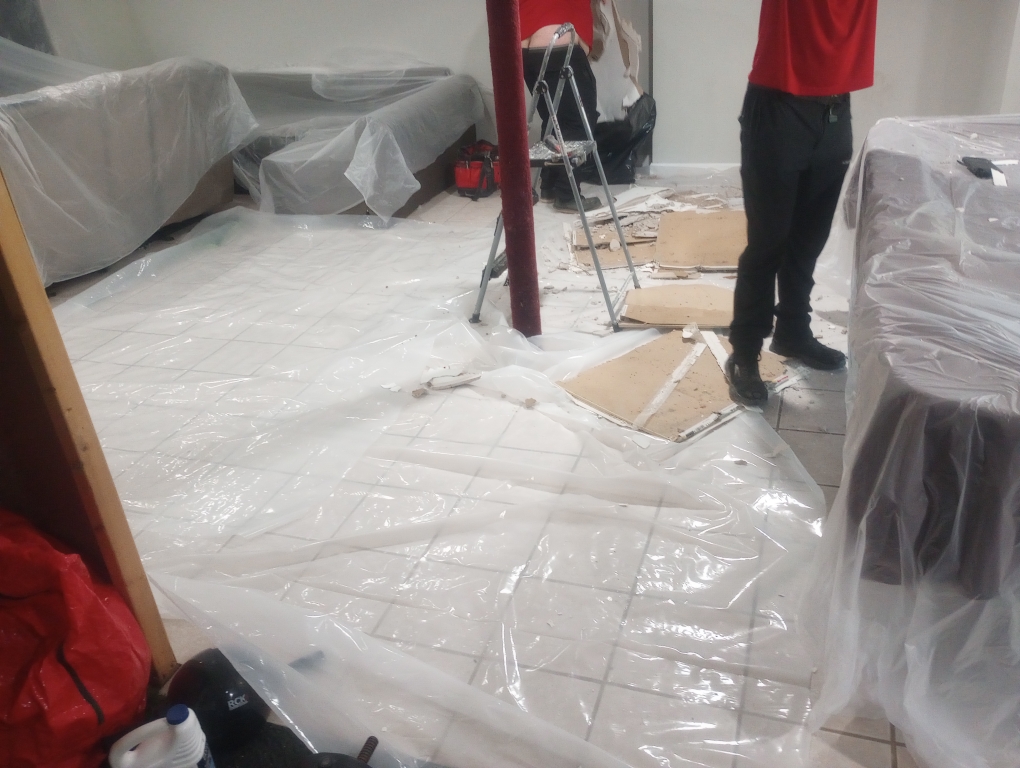
What Professional Water Mitigation Actually Means
Before discussing insurance mechanics, it helps to understand the standard that governs the restoration industry itself. The IICRC S500 Standard for Professional Water Damage Restoration defines how technicians should assess, document, and dry a water damaged structure. It classifies water intrusions by both Category (contamination level) and Class (evaporation load), and it sets expectations for moisture mapping, psychrometrics, and structural drying that insurance carriers rely on when reviewing a claim.
When mold becomes a secondary concern, the IICRC S520 Standard for Professional Mold Remediation takes over, governing containment, HEPA filtration, negative air pressure, and antimicrobial biocide application. Adjusters and independent claim reviewers are trained to look for S500 and S520 compliant documentation. A restoration company that does not follow these standards can inadvertently give an insurer grounds to reduce or deny a payout.
Fact 1: Category and Class Determine Coverage, Not Just Severity
Water is classified into three categories. Category 1 is clean water from a supply line. Category 2, often called gray water, includes appliance overflow or aquarium leaks. Category 3, or black water, includes sewage backups and floodwater. Coverage decisions and required remediation steps differ significantly between these categories. Class, on the other hand, describes how much moisture has been absorbed into materials, ranging from Class 1 (minimal absorption) to Class 4 (specialty drying situations involving hardwood, plaster, or concrete). A restoration technician who documents Category and Class correctly gives your claim a scientific foundation that is difficult for an adjuster to dispute.
Fact 2: Sudden and Accidental Damage Is Usually Covered, Gradual Damage Usually Is Not
Most homeowners policies cover water damage that is sudden and accidental, such as a burst pipe or a failed water heater. They typically exclude damage from long term seepage, poor maintenance, or a leak that was allowed to continue unaddressed for weeks or months. This is why a hygrometer reading and moisture mapping performed on day one matters so much. It creates a timestamped record showing the damage was recent, not a preexisting condition.
Fact 3: Flood Damage Requires Separate Coverage
Standard homeowners insurance does not cover flooding from rising water, storm surge, or overwhelmed municipal drainage. That protection comes from a separate National Flood Insurance Program policy or private flood coverage. With Indiana’s clay heavy soil and its tendency to create hydrostatic pressure against basement walls after heavy rain, many Greenfield and Indianapolis homeowners are surprised to learn a basement flood from groundwater intrusion may not be covered unless they carry flood insurance.
Fact 4: The Mitigation Clause Obligates You to Act Quickly
Nearly every policy contains a mitigation clause requiring the policyholder to take reasonable steps to prevent further damage after a loss occurs. Waiting several days to call a restoration company, or attempting to dry the property yourself with box fans, can be interpreted as a failure to mitigate. This can reduce your settlement even if the original cause of loss was fully covered.
Fact 5: ACV and RCV Are Not the Same Payout
Actual cash value accounts for depreciation on damaged items and materials, while replacement cost value pays what it actually costs to replace them new. Many policies pay ACV first and release the remaining RCV difference only after repairs are completed and documented. Understanding which valuation method applies to your policy changes how you should approach repairs and receipts.
Fact 6: Documentation Beats Memory Every Time
Photographs, moisture readings, infrared thermal imaging, and a written scope of work carry far more weight with an adjuster than a verbal description of what happened. Professional restoration technicians use psychrometric readings and moisture mapping software to build a defensible record that supports your claim from day one.
Fact 7: Mold Growth Can Trigger a Separate Coverage Fight
Mold spores can begin colonizing damp drywall within 24 to 72 hours. Because mold caused by ongoing moisture is often treated as a maintenance issue rather than a sudden loss, insurers frequently push back on mold related claims. Fast water extraction and dehumidification, performed under IICRC S500 protocols, is the best defense against a secondary mold dispute later.
Fact 8: Your Insurer May Send an Independent Adjuster, But You Can Have Your Own Advocate
Restoration companies familiar with local Indiana carriers and the Indianapolis metro market can communicate directly with adjusters using shared documentation standards, which often speeds up approval and reduces disputes over scope of work.
Fact 9: Local Building Codes Affect What Gets Rebuilt, and How
Hancock County and Indianapolis area building codes may require upgrades during repair, such as updated electrical or vapor barrier requirements in older ranch style homes common throughout Greenfield. Many policies include limited “ordinance or law” coverage for these code driven upgrades, and it is worth confirming this before repairs begin.
Fact 10: Subrogation Can Recover Your Deductible
If the water damage was caused by a third party, such as a manufacturer defect in a water heater, your insurer may pursue subrogation against that party. In some cases this results in your deductible being refunded once the claim is resolved.
Fact 11: Time Limits on Filing Are Shorter Than Most People Think
Many policies require notice of loss within a specific window, sometimes as short as a few days for certain claim types. Delayed reporting is one of the most common reasons a claim is denied outright, regardless of how legitimate the underlying damage was.
Why Greenfield and Indianapolis Homes Face Unique Risk
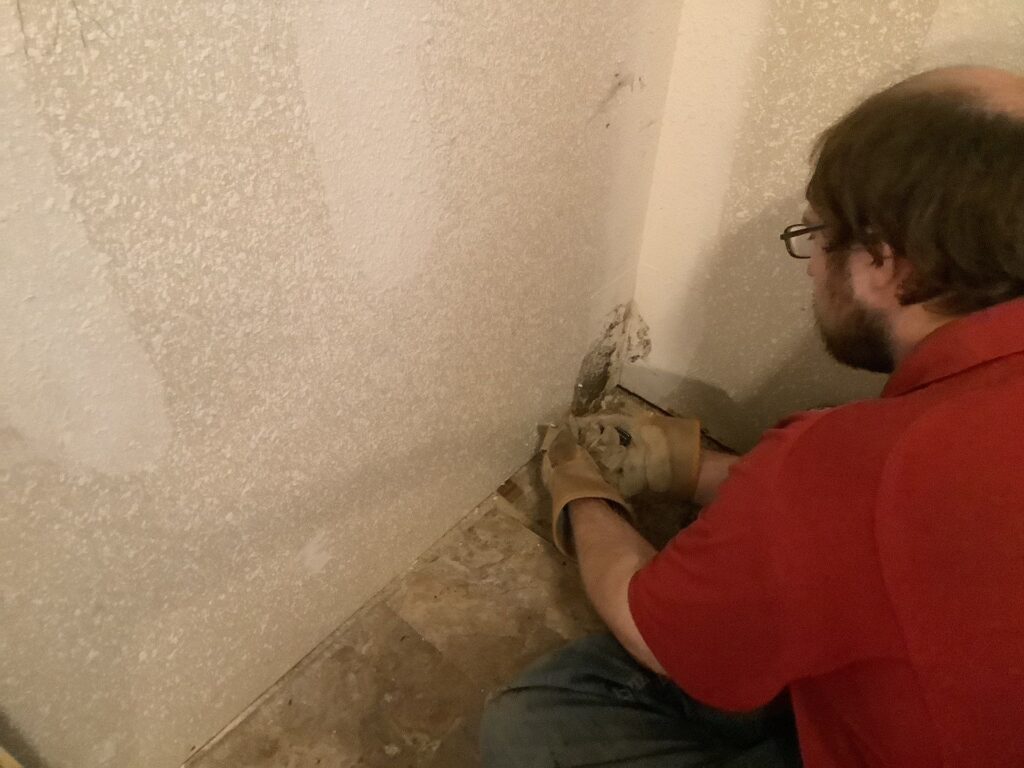
Central Indiana’s humid continental climate means summer humidity regularly pushes indoor moisture levels higher, while winter freeze thaw cycles stress pipes, roofs, and foundations. Combine that with the region’s dense concentration of basements and older ranch and bungalow style homes, and you have conditions where a small leak can become a significant moisture event before anyone notices. Clay soil common throughout Hancock and Marion counties also increases hydrostatic pressure against foundation walls after heavy spring rains, a frequent cause of basement seepage claims.
Frequently Asked Questions
Does home insurance cover mold caused by high humidity in Greenfield or Indianapolis?
Generally, mold resulting from ongoing high humidity or poor ventilation is treated as a maintenance issue and may not be covered. Mold that develops as a direct result of a sudden covered event, such as a burst pipe, is more likely to be included if remediation begins promptly.
How fast does water damage restoration need to start after a leak?
Industry standards under IICRC S500 recommend beginning water extraction and drying within 24 to 48 hours to minimize secondary damage and reduce the risk of an insurer disputing the claim’s scope.
Will my insurance company pay for a hotel while my Greenfield home is being dried out?
Many policies include additional living expense coverage for situations where a home is temporarily uninhabitable, though limits and duration vary by policy.
Can I choose my own restoration company instead of the one my insurer recommends?
Yes. Homeowners have the right to select a licensed, IICRC certified restoration provider of their choosing rather than relying solely on an insurer’s preferred vendor list.
What should I photograph before cleanup begins?
Document standing water levels, affected materials, personal property, and any visible source of the leak before any items are moved or discarded.
Get Immediate Help in Greenfield and Indianapolis
Every hour a property sits wet increases the risk of structural damage, mold colonization, and a more difficult insurance claim. PuroClean Disaster Restoration provides IICRC S500 and S520 compliant water damage mitigation and mold remediation throughout Greenfield and the greater Indianapolis area, with documentation built to support your insurance claim from the very first visit.
Call PuroClean Disaster Restoration now at (317) 467-4436 for emergency water damage assistance in Greenfield, Indianapolis, and the surrounding neighborhoods.