


Key Takeaways for Homeowners
- Water damage escalates to mold growth within 24 to 48 hours in Indiana’s humid continental climate
- IICRC S500 water damage restoration standards require psychrometric monitoring and controlled demolition
- Professional moisture mapping prevents hidden secondary damage behind drywall and sill plates
- Greenfield homeowners face unique risks from clay-heavy soils and seasonal freeze-thaw cycles
- Immediate extraction combined with negative air pressure containment stops mycotoxin proliferation
- Call PuroClean Disaster Restoration at (317) 467-4436 for 24/7 emergency water removal in Greenfield and Indianapolis neighborhoods
Why Basement Flooding in Greenfield Demands Immediate Action
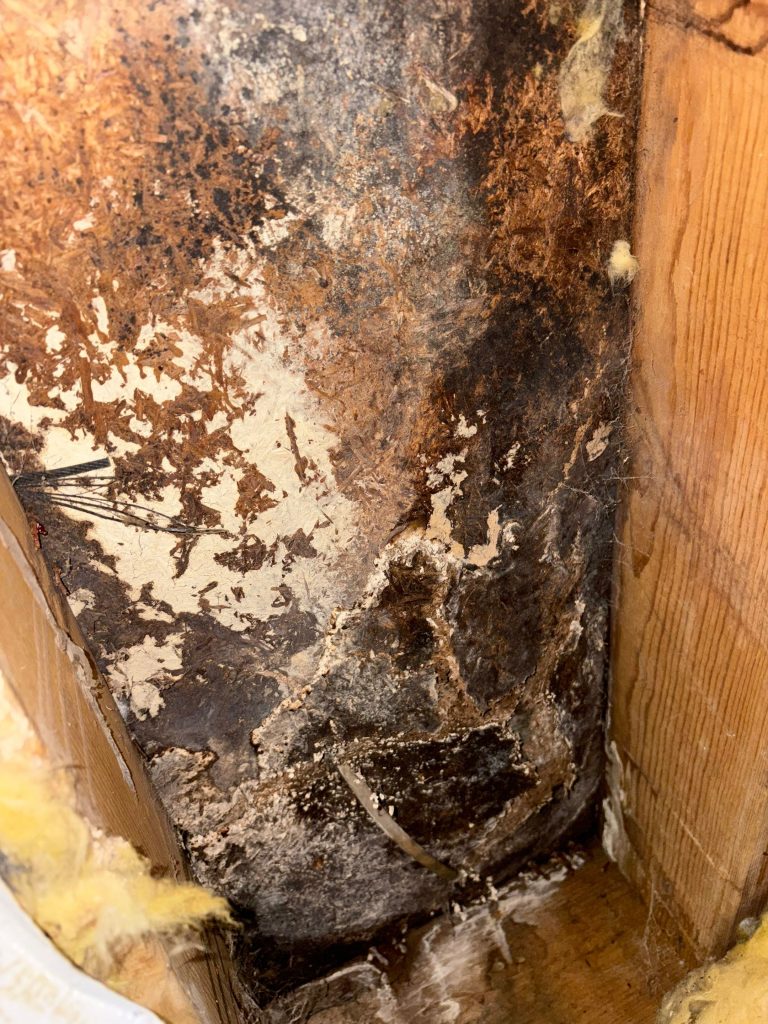
Greenfield sits just east of Indianapolis in Hancock County, where homeowners battle a perfect storm of water intrusion risks. The region’s clay-dominant soils expand when saturated, creating hydrostatic pressure against foundation walls that forces moisture through micro-fractures. Combined with Indiana’s average annual precipitation of 42 inches and humidity levels that regularly exceed 70 percent during summer months, basements here become incubators for fungal colonization faster than in drier climates.
When your basement floods, the clock starts ticking. IICRC S500 standards classify water intrusion into three categories, but regardless of whether you’re dealing with clean water from a burst supply line or Category 2 gray water from sump pump failure, mold spores activate within 24 to 48 hours. Once Stachybotrys chartarum or Aspergillus species establish colonies, remediation costs multiply exponentially. This guide delivers three scientifically grounded, rapid-response strategies that align with IICRC water damage restoration protocols while addressing the specific geospatial challenges faced by Greenfield and Indianapolis homeowners.
Method 1: Emergency Extraction and Psychrometric Control
Stop the Source and Assess the Category
Before touching standing water, identify the contamination level. Clean water from a municipal supply line requires different PPE and extraction protocols than water backing up through foundation drains. In Greenfield’s older neighborhoods near the historic downtown district, galvanized plumbing and aging sewer infrastructure increase the likelihood of Category 2 contamination.
Step-by-Step Extraction Protocol:
- Shut off electrical breakers to the basement before entering standing water
- Document everything with photos for your insurance adjuster
- Remove saturated porous materials within the first 4 hours (carpet padding, cardboard boxes, baseboards)
- Deploy truck-mounted extraction units capable of removing 25+ gallons per minute
- Establish a drying chamber using 6-mil polyethylene sheeting to concentrate dehumidification
Deploy Commercial-Grade Dehumidification
Residential dehumidifiers from hardware stores cannot achieve the specific humidity levels required to prevent mold germination. IICRC S520 mold remediation standards recommend maintaining relative humidity below 60 percent, but true structural drying requires reaching 30 to 40 percent RH at the material surface. This demands low-grain refrigerant (LGR) dehumidifiers or desiccant systems that pull vapor pressure below 55 grains per pound.
In Indianapolis metro basements, where summer dew points regularly hit 70 degrees Fahrenheit, achieving these metrics requires calculating the cubic footage of the affected space and sizing equipment accordingly. A 1,000-square-foot basement with 8-foot ceilings needs a minimum 100-pint LGR unit running continuously for 48 to 72 hours.
Method 2: Controlled Demolition and Moisture Mapping
Why Hidden Moisture Destroys Greenfield Homes
The most dangerous water is the water you cannot see. In Greenfield’s common ranch and split-level construction styles built between 1960 and 1990, drywall extends below grade with no vapor barrier separation from concrete block walls. When flooding occurs, wicking action draws moisture upward into studs and insulation cavities. Surface dryness means nothing if the wall cavity remains wet.
Moisture Mapping Technology
Professional restoration contractors use non-invasive moisture meters and thermal imaging to create complete moisture maps of affected structures. These tools detect elevated moisture content in:
- Sill plates and rim joists (the most mold-vulnerable areas in Indiana basements)
- Fiberglass insulation batts (which act like sponges against concrete walls)
- OSB subflooring beneath finished basement areas
- HVAC ductwork running through soffits
Critical Demolition Points:
- Remove drywall at least 12 inches above the visible water line (capillary action extends higher than the flood line)
- Cut inspection holes in wall cavities to assess insulation saturation
- Remove baseboards completely rather than attempting to dry in place
- Evaluate vapor barrier integrity behind finished walls
In Greenfield’s newer developments near Brandywine and Weston subdivisions, builders increasingly use moisture-resistant materials like magnesium oxide board, but older homes in the Meadowbrook and Park Chapel areas require aggressive controlled demolition to prevent Chaetomium growth behind walls.
Method 3: Antimicrobial Application and Negative Air Pressure Containment
Preventing Mycotoxin Proliferation
Once structural drying reduces moisture content to 16 percent or below in wood materials, applying antimicrobial biocides creates a chemical barrier against residual spores. However, timing matters. Applying antimicrobial agents to actively wet surfaces dilutes efficacy and can trap moisture against materials.
Professional-Grade Treatment Sequence:
- HEPA vacuum all surfaces after drying to remove particulate matter
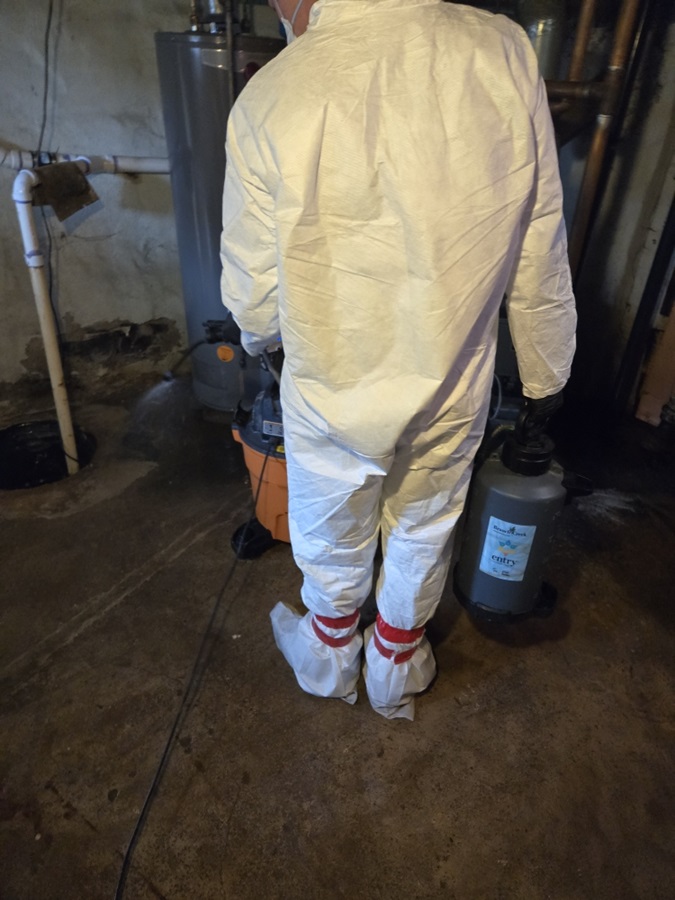
- Apply EPA-registered antimicrobial solutions to structural materials
- Deploy HEPA air scrubbers creating negative air pressure within the contained work area
- Maintain air changes at 4 to 6 per hour during treatment
- Post-treatment verification through air sampling and surface swab testing
Negative Air Pressure Engineering
Negative air pressure containment prevents cross-contamination to unaffected areas of your home. This matters intensely in Greenfield’s tight-knit residential layouts where HVAC systems share air between basement and living spaces. By creating a pressure differential of 0.02 inches of water column, containment systems force airborne particles through HEPA filtration rather than allowing migration through stairwells and ductwork.
Geospatial Authority: Greenfield and Indianapolis Climate Factors
Greenfield homeowners face distinct challenges that generic water damage advice ignores. The area’s proximity to the White River and Buck Creek watersheds creates high water table conditions, particularly in spring when snowmelt combines with seasonal rains. Indianapolis building codes require sump pumps in new construction, but many homes in Greenfield’s established neighborhoods predate these requirements.
Local soil composition compounds the problem. Hancock County’s clay-loam soils expand when wet, exerting lateral pressure on foundation walls that creates hairline cracks. During drought cycles, these soils shrink away from foundations, creating pathways for future water intrusion. The freeze-thaw cycles of Indiana winters further deteriorate concrete and mortar joints.
Housing stock in the Indianapolis metro area includes significant post-war construction with below-grade basements originally designed as unfinished utility spaces. Converting these to finished living areas without proper vapor barriers and drainage systems traps moisture against foundation walls. When flooding occurs, these finished spaces require more extensive remediation than unfinished basements.
FAQ: Complex Long-Tail Questions for Greenfield Homeowners
Does home insurance cover mold caused by high humidity in Greenfield, Indiana?
Standard HO-3 policies in Indiana typically exclude mold coverage unless the mold results from a covered peril, such as a sudden pipe burst or storm damage. Humidity-related mold growth falls under maintenance exclusions. However, if the humidity stems from a covered water damage event that was properly reported and mitigated, resulting mold may qualify for limited coverage, usually capped at $10,000. Document everything immediately and use IICRC-certified restoration contractors to strengthen your claim.
How long do I have before mold becomes permanent in my Indianapolis basement?
At 70 degrees Fahrenheit and 70 percent relative humidity, Aspergillus and Penicillium species begin germinating within 24 hours. By 48 hours, visible colonies form on cellulose materials. After 72 hours, mycotoxin production begins. In Greenfield’s climate, these timelines compress during summer months when basement humidity naturally runs higher.
Can I use my household fans and dehumidifier to dry my basement?
Consumer-grade equipment lacks the air movement capacity (measured in cubic feet per minute) and vapor removal rates to achieve IICRC drying standards. While you can attempt initial water removal, professional-grade LGR dehumidifiers and air movers dry structures 300 percent faster, staying ahead of mold colonization thresholds.
What building codes apply to basement waterproofing in Indianapolis?
Current Indianapolis and Hancock County codes require interior drain tile systems, sump pumps with battery backup, and 10-mil vapor barriers in new construction. Retrofitting older homes requires permits for electrical work (sump pump installation) and may trigger current egress window requirements if finishing the basement.
When to Call the Professionals
While these three methods provide immediate intervention strategies, basement flooding in Greenfield and Indianapolis neighborhoods often requires professional water damage restoration to fully protect your home’s structural integrity and your family’s health. PuroClean Disaster Restoration specializes in IICRC S500 and S520 compliant restoration, serving Greenfield, Indianapolis, and surrounding communities with 24/7 emergency response.
Our technicians deploy industrial-grade extraction equipment, perform comprehensive moisture mapping, and establish proper containment protocols that prevent cross-contamination. We understand the local soil conditions, building practices, and climate factors that put Greenfield homes at elevated risk.
Do not wait for mold to establish itself. Call PuroClean Disaster Restoration now at (317) 467-4436 for immediate assistance. Our emergency teams are standing by to protect your home and your health.