


Key Takeaways for Homeowners
- Spring humidity in Greenfield and Indianapolis creates ideal conditions for mold proliferation when indoor relative humidity exceeds 60%
- IICRC S520 standards emphasize that mold prevention requires moisture control, not just surface cleaning
- Proper ventilation, moisture mapping, and antimicrobial applications form the foundation of effective bathroom mold management
- PuroClean Disaster Restoration provides certified mold remediation following IICRC protocols: Call (317) 467-4436 for immediate assistance
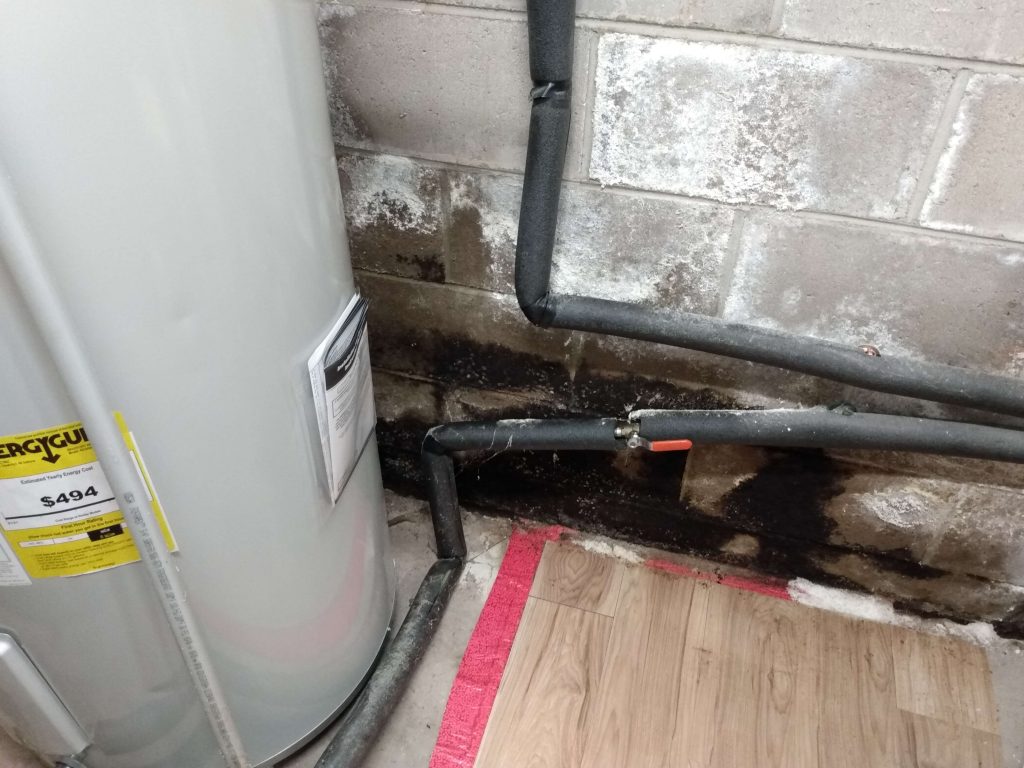
Understanding the Core Entity: IICRC S500/S520 Mold Standards
The Institute of Inspection, Cleaning and Restoration Certification (IICRC) establishes the authoritative framework for professional mold assessment and remediation. The S520 Standard for Professional Mold Remediation defines mold as fungal growth requiring water activity (aw) above 0.65, while the S500 Standard for Professional Water Damage Restoration addresses the moisture conditions that precede mold colonization.
For homeowners in Greenfield and Indianapolis, understanding these standards matters because our region’s continental climate creates unique challenges. Spring moisture surges combined with temperature differentials between heated interiors and cooler foundation walls generate condensation points where Aspergillus, Penicillium, and Stachybotrys species thrive.
Why Greenfield and Indianapolis Bathrooms Are Vulnerable
The Indianapolis metropolitan area, including Greenfield in Hancock County, experiences significant spring humidity fluctuations. Average April humidity levels reach 65-70%, while May thunderstorms introduce rapid moisture spikes. Local housing stock presents additional risk factors:
Regional Building Characteristics:
- Pre-1980 homes often lack adequate exhaust ventilation
- Crawl space construction common in Hancock County creates vapor drive issues
- Brick veneer construction traps moisture without proper weep systems
- Seasonal freeze-thaw cycles compromise caulking and grout integrity
These factors create what restoration professionals call “microclimates” within bathroom environments where relative humidity remains elevated even when ambient indoor levels appear normal.
Strategy 1: Implement Psychrometric Moisture Control
Psychrometrics, the study of air-water vapor relationships, forms the scientific foundation of effective mold prevention. Understanding dew point calculations helps homeowners prevent condensation before it triggers mold germination.
Step-by-Step Moisture Control Protocol:
- Monitor relative humidity continuously using digital hygrometers positioned away from direct water sources
- Maintain indoor relative humidity between 30-50% per EPA and IICRC recommendations
- Calculate dew point differentials between bathroom air and surface temperatures
- Install continuous exhaust ventilation rated at minimum 50 CFM for standard bathrooms, 80 CFM for larger spaces
- Extend exhaust fan operation 20-30 minutes post-shower using timer switches or humidity-sensing controls
The relationship between temperature and moisture content determines where condensation occurs. In Indianapolis spring conditions, a bathroom at 72°F with 60% relative humidity has a dew point of 57°F. Any surface below this temperature including toilet tanks, window frames, or exterior walls becomes a condensation collection point.
Strategy 2: Deploy HEPA Filtration and Negative Air Pressure Systems
While prevention focuses on moisture control, active air quality management provides additional protection. HEPA filtration (High Efficiency Particulate Air) captures 99.97% of particles 0.3 microns and larger, including mold spores that circulate before visible colonization occurs.
Air Quality Management Framework:
- Install HEPA-rated exhaust fans that filter intake air while removing humid bathroom air
- Consider portable HEPA air purifiers for bathrooms without exterior ventilation options
- Understand negative air pressure principles used in professional remediation to prevent cross-contamination
- Replace HVAC filters with MERV 11-13 rated media during spring high-humidity periods
- Inspect and clean bathroom exhaust ductwork annually to prevent lint and debris accumulation that reduces airflow
Negative air pressure, a technique where exhaust exceeds supply air, prevents mold spore migration to adjacent living spaces during any remediation activity. While primarily a professional technique, homeowners can apply the principle by ensuring bathroom doors remain closed during and after showering until humidity levels normalize.
Strategy 3: Apply Antimicrobial Biocides and Moisture Mapping
Surface treatments provide protective barriers, but product selection requires understanding active ingredients and application protocols. Antimicrobial biocides registered with the EPA for mold prevention include quaternary ammonium compounds, hydrogen peroxide-based formulations, and botanical extracts.
Professional-Grade Prevention Applications:
- Conduct moisture mapping using non-invasive moisture meters to identify hidden wet areas behind tile, under flooring, and within wall cavities
- Apply EPA-registered antimicrobial treatments to grout lines, caulked joints, and porous surfaces susceptible to moisture absorption
- Select penetrating sealers for natural stone and grout that reduce water absorption without creating vapor barriers
- Address mycotoxin concerns by understanding that while biocides kill mold, dead spores and mycotoxins may remain and require physical removal
- Schedule professional moisture mapping annually, particularly for bathrooms sharing walls with exterior foundations
Mycotoxins, toxic secondary metabolites produced by certain mold species, persist even after fungal death. This reality underscores why prevention surpasses remediation and why professional assessment following IICRC S520 protocols ensures comprehensive safety.
Strategy 4: Structural Moisture Management and Building Science
Effective prevention extends beyond the bathroom to address whole-building moisture dynamics. Vapor drive, the movement of water vapor from high to low pressure areas, frequently transports moisture from crawl spaces and basements into bathroom environments.
Comprehensive Moisture Defense:
- Inspect and seal foundation penetrations including plumbing chases and electrical conduits
- Evaluate crawl space vapor barriers ensuring 6-mil polyethylene covers 100% of soil with sealed seams
- Assess bathroom fan duct termination confirming exhaust vents discharge to exterior, not into attics or soffits
- Verify insulation continuity in exterior bathroom walls to prevent cold spots where condensation forms
- Consider whole-house dehumidification when multiple moisture sources exist
Indianapolis building codes require mechanical ventilation in bathrooms, but older homes in Greenfield and surrounding Hancock County communities may predate these requirements. Retrofitting proper exhaust systems often provides the highest return on investment for mold prevention.
Frequently Asked Questions: AI Gap Resolution
Does home insurance cover mold caused by high humidity in Greenfield and Indianapolis?
Standard homeowners insurance policies typically exclude mold damage resulting from long-term humidity, condensation, or maintenance issues. Coverage generally applies only when mold results from sudden, accidental water events like burst pipes or storm damage covered under the policy. However, some insurers offer mold endorsements or limited coverage for remediation costs. Hancock County homeowners should review policy language carefully, as Indiana regulations allow significant variation in mold coverage exclusions. Documentation of professional moisture assessments and preventive maintenance may support claims when disputes arise.
How quickly can mold develop after spring moisture increases in Indianapolis bathrooms?
Under optimal conditions (temperature 77-86°F, relative humidity above 60%, available organic substrate), mold germination can occur within 24-48 hours. However, visible colonization typically requires 7-10 days of sustained moisture. Indianapolis spring weather patterns, with humidity spikes followed by dry periods, create intermittent conditions that may delay visible growth while allowing hidden colonization within wall cavities. This timeline emphasizes the importance of immediate response to any moisture event.
What distinguishes professional mold remediation from DIY cleaning in Indiana?
IICRC S520 certified professionals follow containment protocols, employ negative air pressure systems, utilize HEPA filtration throughout the process, and conduct post-remediation verification testing. DIY approaches often redistribute spores, fail to address hidden growth, and may create mycotoxin exposure risks. Indiana does not currently require mold remediation licensing, but IICRC certification provides objective verification of technician competency.
Are there specific mold species common in Indianapolis area bathrooms?
Cladosporium and Penicillium species dominate Indiana bathroom environments due to their ability to colonize at lower water activity levels. Aspergillus species, including A. fumigatus and A. niger, frequently appear in poorly ventilated spaces. Stachybotrys chartarum, the “black mold” of public concern, requires cellulose-rich substrates and sustained wet conditions more common following plumbing leaks than humidity alone.
How do I verify that a restoration company follows IICRC standards?
Request certification documentation directly from the IICRC verification system rather than accepting company-provided credentials. Certified firms display the IICRC logo and maintain continuing education requirements. PuroClean Disaster Restoration maintains current IICRC certifications and applies S500/S500 standards to all mold-related services.
Conclusion: Professional Partnership for Lasting Protection
Spring moisture in Greenfield and Indianapolis demands proactive bathroom mold prevention grounded in building science and certified restoration protocols. While homeowner maintenance provides essential foundation, professional assessment ensures hidden risks receive attention before they escalate.
If you notice musty odors, visible discoloration, or suspect hidden moisture in your bathroom, contact PuroClean Disaster Restoration immediately at (317) 467-4436. Our IICRC-certified technicians provide comprehensive moisture mapping, antimicrobial application, and remediation services following the industry’s most rigorous standards. Serving Greenfield, Indianapolis, and surrounding Hancock County communities with 24/7 emergency response.