


Key Takeaways for Homeowners
- Smoke odor is caused by microscopic soot particles and VOCs that embed into porous surfaces, not just surface residue you can wipe away.
- Masking sprays and box fans will not remove embedded smoke odor. You need mechanical filtration, thermal fogging, or professional deodorization equipment.
- Greenfield and greater Indianapolis homes with older wood siding, finished basements, and forced air HVAC systems are especially prone to trapped smoke odor recirculating through ductwork.
- IICRC S740 is the industry standard governing professional fire and smoke damage restoration.
- Fast action matters. The longer soot and protein smoke residue sit, the deeper they bond to drywall, fabric, and wood.
- If odor persists after 48 hours of DIY effort, it is time to call a certified restoration company.
If your Greenfield or Indianapolis home was recently affected by a kitchen fire, a wildfire smoke event, or a neighboring structure fire, you already know that the smell can be far worse than the visible damage. Smoke odor is not just unpleasant. It is a sign that combustion byproducts, including soot particles and volatile organic compounds (VOCs), have physically bonded to surfaces throughout your home. Below are five proven methods, ranked from immediate DIY steps to professional grade solutions, to help you eliminate smoke odor fast and permanently.
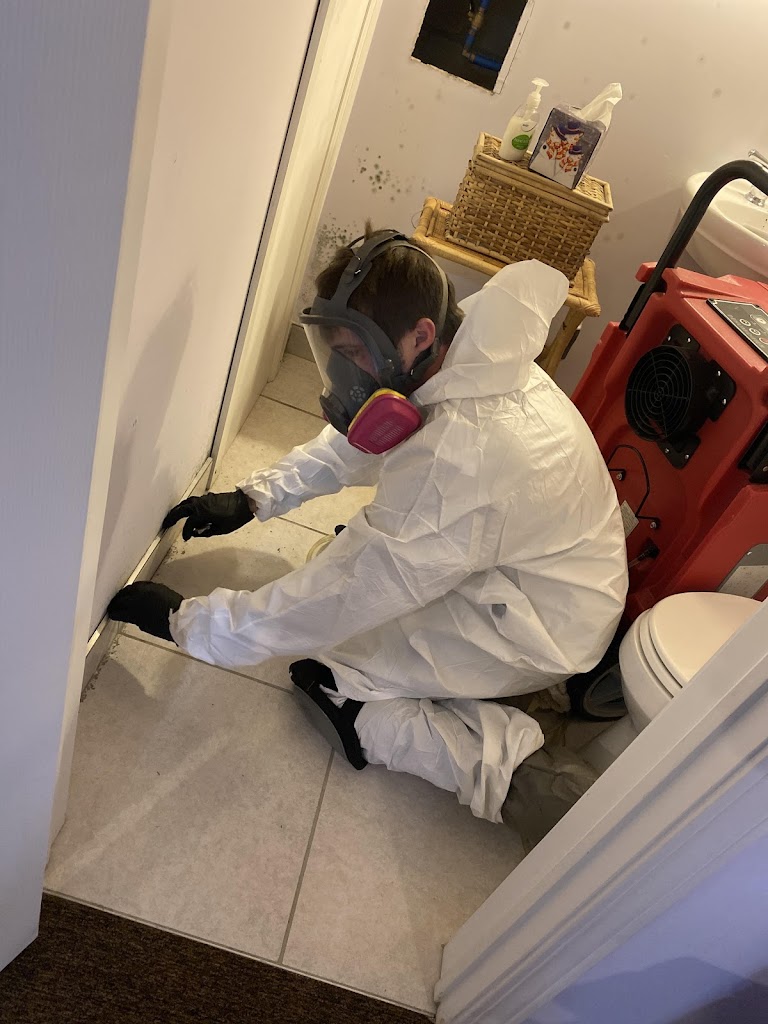
Understanding the Core Problem: What Smoke Odor Actually Is
Before you can remove smoke odor, you need to understand what you are dealing with. Under IICRC S740, the certified standard for professional fire and smoke damage restoration, smoke residue is categorized by its source and chemical makeup, most commonly protein smoke residue (from cooking or grease fires) and synthetic smoke residue (from burned plastics, furniture, and building materials).
These particles are microscopic, acidic, and highly mobile. They travel through HVAC systems, settle into carpet fibers, and penetrate drywall pores. This is why a home can look untouched by fire yet smell overwhelming for weeks. Simply washing visible surfaces will not resolve the underlying odor source.
Method 1: Establish Negative Air Pressure and Cross Ventilation
The first and most immediate step is airflow management. Restoration professionals use negative air pressure machines to pull contaminated air out of the home and vent it outdoors, preventing soot particles from spreading to unaffected rooms.
- Open windows on opposite sides of the affected room to create cross ventilation.
- Use box fans facing outward in windows to actively expel smoke laden air rather than recirculate it.
- Turn off your HVAC system immediately. Running it will pull soot particles into your ductwork and spread odor to every room in the house.
- If you have access to a negative air machine or HEPA filtration air scrubber, run it in the affected space for 24 to 48 hours.
Method 2: HEPA Filtration and Activated Carbon Air Scrubbing
Standard air purifiers are not built for this job. Professional grade HEPA filtration, combined with activated carbon filtration, is what actually captures the ultra fine particulates responsible for lingering odor.
- HEPA filters trap particles as small as 0.3 microns, which includes most airborne soot.
- Activated carbon filtration chemically adsorbs the VOCs and gaseous odor compounds that HEPA filters alone cannot catch.
- For whole home coverage, restoration technicians typically run multiple air scrubbers per 1,000 square feet, based on psychrometrics calculations that measure humidity, temperature, and airflow to optimize drying and odor removal.
Method 3: Thermal Fogging and ULV Fogging Deodorization
This is where most DIY efforts fall short and professional intervention becomes necessary. Thermal fogging and ultra low volume (ULV) fogging use deodorizing solvents that are heated or atomized into a fog fine enough to penetrate the same pores and cracks that smoke originally entered.
- Thermal fogging mimics the exact combustion process that caused the odor, using heat to drive deodorizer into fabrics, wall cavities, and HVAC ductwork.
- ULV fogging disperses a fine, dry mist ideal for delicate materials like electronics, artwork, and upholstered furniture.
- Both methods are typically paired with an antimicrobial biocide application in homes where firefighting water intrusion created secondary moisture concerns, since damp, sooty environments can develop mold within 24 to 48 hours.
Method 4: Ozone Treatment or Hydroxyl Generators
For odor that has fully saturated a structure, ozone treatment or hydroxyl generators are often the final step before recontamination testing.
- Ozone treatment oxidizes odor causing molecules, effectively neutralizing them at a chemical level. Homes must be fully vacated during treatment, and the space needs several hours of ventilation afterward before it is safe to re enter.
- Hydroxyl generators work more slowly but can run safely while people, pets, and plants are present, making them the preferred choice for homes where full evacuation is not practical.
- Restoration technicians use moisture mapping tools before and after treatment to confirm that hidden moisture pockets, which trap odor and encourage regrowth, have been fully addressed.
Method 5: Encapsulant Sealant for Structural Odor Barriers
Once surfaces are cleaned and deodorized, an encapsulant sealant is applied to structural elements such as exposed wood framing, subfloors, and masonry to permanently lock in any residual odor molecules that cleaning could not fully remove.
- This step is standard in professional fire restoration and is often what separates a home that smells clean for a week from one that stays odor free permanently.
- Encapsulant sealants also act as a vapor barrier, reducing the chance that trapped moisture reactivates lingering odor during Indiana’s humid summer months.
Local Factors: Why Greenfield and Indianapolis Homes Need Extra Attention
Central Indiana’s climate plays a direct role in how smoke odor behaves indoors. Greenfield and the greater Indianapolis area experience a humid continental climate, with high summer humidity that can reactivate dormant odor molecules trapped in porous materials. Many homes throughout Hancock County and the Indianapolis metro feature older wood frame construction, finished basements, and forced air HVAC systems, all of which are particularly effective at trapping and redistributing smoke odor.
Basements are a special concern. Indianapolis area basements often run more humid than upper floors, and combined with smoke residue, this creates conditions where odor and mold growth can develop side by side. Homes built before the 1990s in Greenfield’s older neighborhoods also frequently have original wood trim and plaster walls, both of which are highly porous and absorb smoke odor deeply.
Frequently Asked Questions
Does homeowners insurance cover smoke odor removal in Greenfield and Indianapolis?
Most standard homeowners policies cover smoke and fire damage restoration, including professional deodorization, as part of dwelling coverage. Coverage typically applies whether the fire originated in your home or spread from a neighboring structure or wildfire event. You should document all affected areas with photos and contact your insurance provider before beginning extensive cleanup, since restoration companies can often work directly with adjusters.
How long does smoke odor last if untreated?
Left untreated, smoke odor from a significant fire can persist for months or even years, particularly in homes with central HVAC systems that continually recirculate trapped soot particles. Odor intensity often increases during humid weather, which is common in Indiana summers.
Can I remove smoke odor myself without professional equipment?
Minor smoke odor from small kitchen incidents can sometimes be managed with thorough cleaning, baking soda, charcoal, and extended ventilation. However, structural fires, extensive soot deposits, or lingering odor after a few days of DIY effort typically indicate that particles have penetrated beyond what household cleaning can reach, requiring professional thermal fogging or ozone treatment.
Will painting over smoke damaged walls remove the odor?
No. Painting over smoke residue without sealing it first with an encapsulant sealant will not resolve the odor. Smoke odor molecules will continue off gassing through standard paint, and the smell typically returns within weeks.
Take Action Now: PuroClean Disaster Restoration Serves Greenfield and Indianapolis
Smoke odor gets harder and more expensive to remove with every day that passes. If your Greenfield or Indianapolis home has been affected by fire or smoke damage, PuroClean Disaster Restoration has the certified equipment and IICRC S740 trained technicians to fully restore your home’s air quality, not just mask the smell.
Call (317) 467-4436 now for immediate smoke smell removal assistance. Our team responds quickly throughout Greenfield, Hancock County, and the Indianapolis metro area, and we work directly with your insurance provider to make the restoration process as smooth as possible.