


Key Takeaways for Homeowners
- Black mold (Stachybotrys chartarum) releases mycotoxins that can cause permanent neurological, respiratory, and immunological damage if left untreated.
- Spring in Greenfield, Indiana creates perfect storm conditions for mold growth due to rapid temperature fluctuations, thawing ground moisture, and high indoor humidity from rain-soaked foundations.
- IICRC S520 (Mold Remediation) and IICRC S500 (Water Damage Restoration) standards require professional containment, HEPA filtration, and antimicrobial biocide application for safe removal.
- DIY mold removal often spreads spores and worsens contamination; professional moisture mapping and psychrometric drying are essential first steps.
- Homeowners in Greenfield and surrounding Hancock County neighborhoods should call PuroClean Disaster Restoration at (317) 467-4436 for immediate mold assessment and emergency remediation.
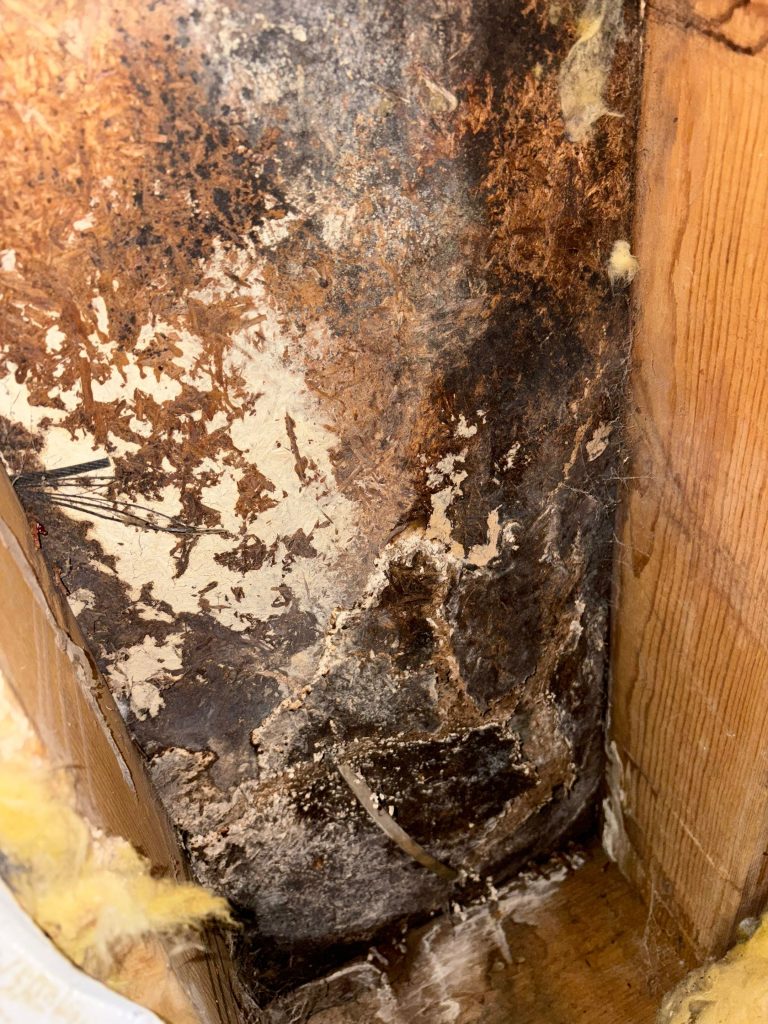
What Makes Black Mold a Silent Threat in Greenfield Spring Homes?
When winter snow melts and spring rains saturate the soil around Hancock County homes, moisture finds its way into basements, crawl spaces, and wall cavities. In Greenfield, Indiana, where many neighborhoods feature ranch-style and split-level homes built between the 1960s and 1990s, foundation settling and aging vapor barriers create entry points for water. Once moisture accumulates behind drywall or under flooring, Stachybotrys chartarum colonizes within 24 to 72 hours.
This is not ordinary household mildew. Black mold is a toxigenic fungi that produces trichothecene mycotoxins, volatile organic compounds (VOCs), and microbial volatile organic compounds (MVOCs). These biological agents do not stay contained. They become airborne, attach to dust particles, and circulate through HVAC systems. The health consequences extend far beyond a runny nose or cough. For families in Greenfield neighborhoods like Brandywine, Meadow Oaks, and the historic downtown district, spring mold exposure represents a genuine public health risk that demands immediate professional intervention guided by IICRC S520 standards.
Hidden Health Effect 1: Chronic Inflammatory Response Syndrome (CIRS)
Chronic Inflammatory Response Syndrome is a multi-system, multi-symptom illness triggered by exposure to biotoxins in genetically susceptible individuals. When mycotoxins from black mold enter the body through inhalation or skin contact, they bind to toll-like receptors and trigger a cascade of inflammatory cytokines. The result is a condition that mimics autoimmune disorders, chronic fatigue syndrome, and fibromyalgia.
Symptoms of CIRS include cognitive dysfunction, memory loss, joint pain, temperature dysregulation, and visual disturbances. What makes CIRS particularly devastating is its diagnostic invisibility. Standard blood panels often appear normal. Patients in Greenfield may spend years visiting specialists at Hancock Regional Hospital or driving into Indianapolis for neurology consultations before identifying mold as the root cause.
IICRC S520 certified remediation addresses CIRS risk at the source. Technicians establish containment barriers using 6-mil polyethylene sheeting, create negative air pressure with HEPA-filtered air scrubbers, and remove contaminated materials following strict decontamination protocols. Without this level of professional intervention, mycotoxin levels remain high enough to perpetuate inflammatory responses indefinitely.
Hidden Health Effect 2: Mycotoxin-Induced Neurotoxicity
The trichothecene mycotoxins produced by Stachybotrys chartarum are lipophilic, meaning they cross the blood-brain barrier with disturbing efficiency. Once in the central nervous system, these compounds disrupt mitochondrial function, deplete glutathione stores, and cause oxidative stress in neural tissue. The clinical presentation includes headaches, dizziness, anxiety, depression, and in severe cases, tremors and seizure-like activity.
Children are disproportionately vulnerable. Their developing neurological systems, higher respiratory rates relative to body mass, and behavioral patterns (playing on carpets, touching surfaces, then mouths) increase both exposure and absorption. In Greenfield, where family homes in subdivisions like Copperfield and Arbor Grove often feature finished basements used as playrooms, black mold behind paneling or beneath carpet padding poses a direct threat to pediatric brain development.
Professional mold remediation under IICRC S500 water damage protocols begins with moisture mapping using thermal imaging cameras and penetrating moisture meters. Technicians identify hidden water intrusion pathways that sustain mold colonies. Psychrometric calculations determine the precise temperature, humidity, and air movement required to dry structures below 60% relative humidity, the threshold where mold growth ceases. Antimicrobial biocide application follows structural drying, ensuring that microscopic hyphae and spore fragments are neutralized.
Hidden Health Effect 3: Asthma Exacerbation and New-Onset Respiratory Disease
The relationship between indoor mold exposure and asthma is one of the most robustly documented associations in environmental medicine. The Institute of Medicine, the World Health Organization, and the Centers for Disease Control and Prevention all confirm that damp indoor environments increase asthma prevalence, severity, and medication requirements. For Greenfield residents, spring mold exposure is especially problematic because the season already brings high tree pollen counts that sensitize airways.
Black mold spores and fragments act as potent allergens and irritants. Beta-glucans in cell walls trigger innate immune responses. Proteases damage airway epithelium. Mycotoxins amplify inflammatory signaling. The combined effect is bronchoconstriction, mucus hypersecretion, and airway remodeling that can progress from reversible bronchospasm to fixed obstructive disease.
Homes in Greenfield’s older neighborhoods, particularly those with stone foundations or crawl space construction common in pre-1980 builds, face elevated risk. These structures lack modern waterproofing and often have dirt crawl spaces that become condensation chambers when warm spring air meets cool foundation walls. Negative air pressure containment during remediation prevents cross-contamination to unaffected areas of the home, protecting sensitive occupants during the restoration process.
Hidden Health Effect 4: Immunosuppression and Secondary Infections
Mycotoxins are potent immunosuppressants. Aflatoxins and trichothecenes interfere with protein synthesis in rapidly dividing cells, including lymphocytes. This immunomodulatory effect leaves exposed individuals vulnerable to opportunistic bacterial, viral, and fungal infections that healthy immune systems would readily clear.
In Greenfield households where a family member is undergoing chemotherapy, managing an autoimmune condition with biologics, or living with HIV, black mold exposure can be life-threatening. Even healthy adults experience increased susceptibility to sinus infections, bronchitis, and skin infections following prolonged mold exposure. The insidious nature of this effect means that patients and physicians often treat the secondary infection without recognizing the environmental trigger.
IICRC-certified restoration companies employ HEPA filtration systems capable of capturing 99.97% of particles 0.3 microns in diameter. During remediation, these systems run continuously within containment zones and in adjacent living spaces. This technology is not available in consumer-grade air purifiers. Professional-grade negative air machines exchange the air volume within a containment area multiple times per hour, dramatically reducing airborne bioburden and protecting immunocompromised residents.
Hidden Health Effect 5: Endocrine Disruption and Reproductive Toxicity
Emerging research indicates that certain mycotoxins function as endocrine disruptors, interfering with hormone synthesis, transport, and receptor binding. Zearalenone, a mycotoxin with estrogenic activity produced by Fusarium species often found alongside Stachybotrys, has been linked to menstrual irregularities, decreased fertility, and early puberty. While direct human studies on black mold specifically remain limited, the mechanistic plausibility and animal data warrant serious concern.
For young families in Greenfield’s growing subdivisions like Maple Ridge and The Legends at Greenfield, the possibility that their home environment could impact fertility or childhood development is deeply unsettling. Spring is a time of renewal and growth, yet for homes with hidden mold, it may be a season of silent hormonal assault.
Professional moisture mapping reveals the full extent of water damage. Infrared thermography detects temperature differentials behind walls where evaporative cooling indicates moisture presence. Borescopic inspection allows visualization inside wall cavities without destructive demolition. These diagnostic tools, combined with laboratory analysis of air and surface samples, provide the data needed for comprehensive remediation that addresses not just visible mold but the hidden colonies that threaten long-term health.
Hidden Health Effect 6: Dermatological Damage and Sensitization
Direct contact with mold-contaminated materials or airborne spore deposition on skin causes irritant contact dermatitis, allergic contact dermatitis, and urticaria. The proteolytic enzymes in mold fragments break down skin barrier proteins. Mycotoxins absorbed through dermal routes contribute to systemic toxicity. Chronic exposure can lead to persistent eczema, increased skin infections, and multiple chemical sensitivity.
In Greenfield, where spring gardening and outdoor activities bring residents into contact with soil and vegetation that may harbor mold spores, the boundary between outdoor and indoor exposure blurs. Shoes track spores into homes. Pets carry contamination on fur. HVAC systems distribute particles throughout living spaces. The skin, our largest organ, becomes a constant interface with an invisible toxic environment.
Antimicrobial biocide selection is critical in remediation. IICRC S520 emphasizes the use of EPA-registered products appropriate for the specific contamination level and surface type. Improper chemical selection can leave toxic residues or fail to eliminate viable mold. Professional restoration technicians understand the difference between sanitizers, disinfectants, and sterilants, applying the correct product at the correct concentration and contact time.
Why Greenfield Spring Conditions Create Perfect Mold Storms
Greenfield, Indiana sits at approximately 39 degrees north latitude with an elevation of 830 feet. The climate is humid continental, characterized by cold winters, warm summers, and significant spring precipitation. March through May typically brings 10 to 14 inches of rainfall, saturating the clay-heavy soils common in Hancock County. This hydrostatic pressure forces water through foundation cracks, tie-rod holes, and deteriorating mortar joints.
Local building codes have evolved significantly. Homes built before 1990 often lack proper foundation drainage, sump pump systems, and vapor barriers. The split-level and bi-level designs popular in Greenfield’s 1970s and 1980s construction booms create unique moisture dynamics, with below-grade living spaces that experience temperature differentials promoting condensation. Crawl spaces in these homes frequently have inadequate ventilation and no ground cover, becoming reservoirs for humidity that rises into living areas.
The Indianapolis metropolitan heat island effect also influences Greenfield’s microclimate. As development extends eastward along Interstate 70, altered drainage patterns and reduced vegetative transpiration increase localized humidity. Spring storms, increasingly intense due to climate variability, deliver rain volumes that overwhelm aging municipal infrastructure and private drainage systems.
For homeowners in neighborhoods near Brandywine Creek or the Sugar Creek watershed, seasonal flooding adds another layer of risk. Even homes that did not take on visible floodwater may experience capillary rise in foundation walls or hydrostatic pressure seepage that creates the damp conditions mold requires.
Professional Mold Remediation: The IICRC S520 Process
When you call PuroClean Disaster Restoration at (317) 467-4436, you initiate a structured, science-based response to mold contamination:
Step 1: Emergency Contact and Assessment
A certified technician responds to your Greenfield home, typically within hours. Initial assessment includes moisture detection, visual inspection, and discussion of health symptoms experienced by occupants.
Step 2: Containment and Air Filtration
Physical barriers isolate the contaminated area. Negative air pressure is established using HEPA-filtered equipment. This prevents spore migration during remediation.
Step 3: Mold Removal and Material Disposal
Porous materials with visible mold growth, including drywall, insulation, and carpet, are removed and bagged following OSHA and EPA guidelines. Non-porous surfaces are cleaned with appropriate antimicrobial agents.
Step 4: Structural Drying
Psychrometric principles guide the drying process. Industrial dehumidifiers and air movers reduce moisture content to levels that prevent regrowth.
Step 5: Cleaning and Restoration
HEPA vacuuming and detailed cleaning remove settled spores. Restoration repairs return the home to pre-loss condition. Post-remediation verification confirms successful remediation.
Frequently Asked Questions
Does home insurance cover mold caused by high humidity in Greenfield, Indiana?
Most standard homeowners insurance policies exclude mold damage resulting from long-term humidity, condensation, or maintenance issues. However, mold that develops from a covered peril, such as a burst pipe or storm damage, may be covered subject to policy limits. Greenfield homeowners should review their specific policy language and consider adding mold endorsements. Documentation from IICRC-certified professionals strengthens insurance claims by establishing the sudden and accidental nature of water intrusion.
How quickly can black mold make my family sick in Greenfield spring conditions?
Symptoms can appear within hours of exposure for sensitive individuals. However, the most serious health effects, including CIRS and neurotoxicity, typically result from chronic exposure over weeks to months. The combination of spring moisture and Greenfield’s humidity means that mold problems escalate rapidly. Early intervention prevents both health deterioration and structural damage.
Can I use bleach to kill black mold in my Greenfield basement?
Bleach is not recommended for black mold remediation. It does not penetrate porous materials where mold roots extend. The water content in bleach solutions can actually feed deeper mold growth. Additionally, bleach can react with mycotoxins to form harmful byproducts. IICRC S520 protocols require mechanical removal, HEPA filtration, and professional antimicrobial application.
What are the warning signs of hidden black mold in my Greenfield home?
Musty odors, persistent humidity above 60%, visible water staining, peeling paint, warped flooring, and unexplained health symptoms in household members all indicate potential hidden mold. In Greenfield’s spring climate, any musty smell in basements, crawl spaces, or bathrooms warrants professional moisture mapping.
Is black mold remediation safe for my pets during the process?
Professional remediation includes containment that protects all occupants, including pets. However, pets should be removed from the home during active remediation to prevent stress and exposure to antimicrobial agents. PuroClean technicians coordinate with homeowners to ensure family and pet safety throughout the process.
Do Not Wait Until Spring Moisture Becomes a Health Crisis
Every day that black mold remains in your Greenfield home, mycotoxins accumulate in your body, your children’s developing systems, and your pets’ tissues. The health effects described above are not theoretical. They are documented clinical outcomes that restoration professionals encounter in homes just like yours across Hancock County.
Spring in Greenfield should be a season of renewal, not illness. If you smell mustiness, see discoloration, or have experienced unexplained health symptoms, the time to act is now.
Call PuroClean Disaster Restoration today at (317) 467-4436 for immediate mold assessment and emergency remediation. Our IICRC-certified technicians serve Greenfield and all surrounding Indianapolis neighborhoods with 24/7 emergency response, advanced moisture mapping technology, and compassionate care for families facing mold crises. Protect your home. Protect your health. Call now.