


Key Takeaways for Homeowners
- Biohazard decontamination requires IICRC S500 (Water Damage) and S520 (Mold Remediation) certified protocols to ensure complete pathogen elimination and structural safety.
- DIY cleanup of biohazard events exposes you to bloodborne pathogens, mycotoxins, and bacterial contamination; professional intervention is strongly recommended.
- Indianapolis and Greenfield homes face unique challenges due to Indiana’s humid continental climate, seasonal flooding from the White River watershed, and older housing stock with porous building materials.
- PuroClean Disaster Restoration provides 24/7 emergency biohazard cleanup with certified technicians serving Greenfield, Indianapolis, and surrounding neighborhoods.
- Need immediate help? Call PuroClean now: (317) 467-4436
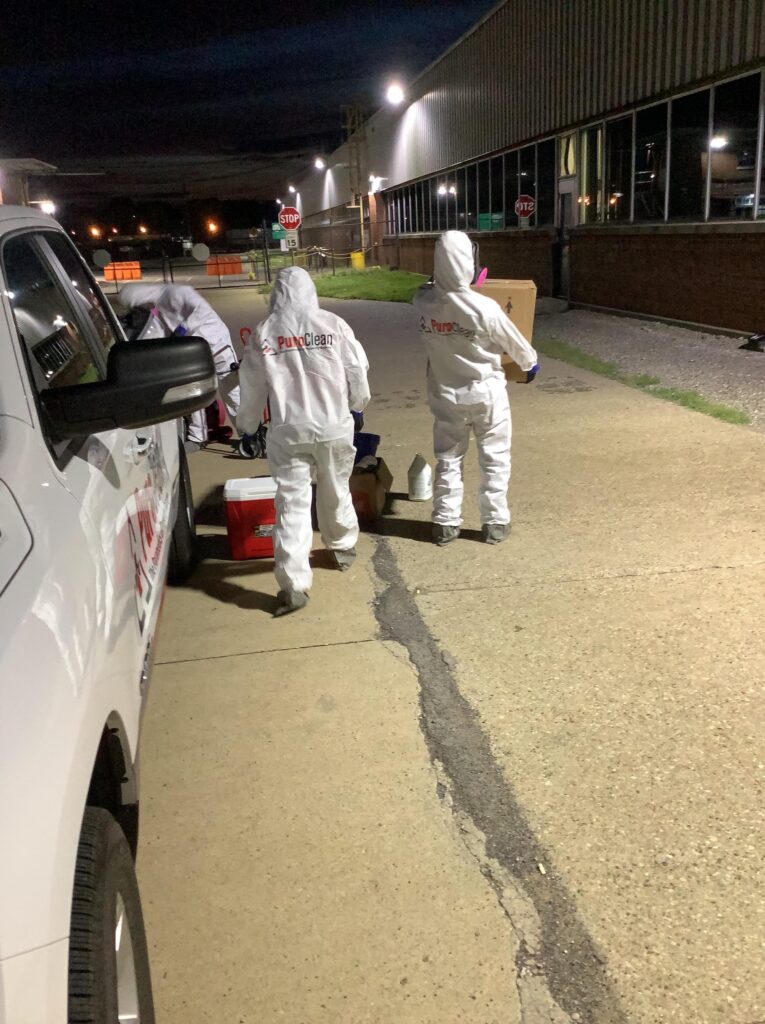
What Constitutes a Biohazard Event in Your Home?
A biohazard event is any incident involving biological materials that pose a threat to human health. In residential settings across Greenfield and Indianapolis, these events commonly include sewage backups, crime scene residues, unattended deaths, hoarding situations, and infectious disease contamination. The Indiana State Department of Health classifies these materials as requiring specialized handling beyond standard cleaning.
The core entity anchoring proper decontamination is adherence to IICRC S500 and S520 standards. The Institute of Inspection, Cleaning and Restoration Certification (IICRC) establishes the global benchmark for water damage restoration and mold remediation. These standards dictate everything from initial assessment protocols to final clearance testing, ensuring that no biological threat remains hidden within your home’s structure.
For homeowners in Marion and Hancock Counties, understanding these standards matters because Indiana’s building codes reference IICRC guidelines for remediation documentation required by insurance carriers and local health departments.
Method 1: Immediate Containment and Negative Air Pressure Isolation
The first and most critical step in biohazard decontamination is containment. Without proper isolation, airborne pathogens and particulates migrate through HVAC systems, contaminating previously unaffected areas of your home.
Step by Step Containment Process:
- Establish a critical barrier using 6-mil polyethylene sheeting sealed with duct tape at all entry points
- Install negative air pressure machines equipped with HEPA filtration to create inward airflow, preventing escape of contaminants
- Seal HVAC vents and returns within the containment zone to stop ductwork contamination
- Create a clean to dirty decontamination corridor for technician entry and exit
- Post biohazard warning signage per OSHA 29 CFR 1910.1030 Bloodborne Pathogens Standard
In Indianapolis, many homes built before 1980 feature original ductwork systems that are particularly susceptible to cross-contamination during biohazard events. The older housing stock in neighborhoods like Irvington, Fountain Square, and throughout Greenfield’s historic districts requires extra attention to HVAC isolation because aging metal ducts develop seams and gaps that modern systems do not.
Negative air pressure is measured in air changes per hour (ACH). IICRC standards recommend a minimum of 4 ACH for biohazard containment, though PuroClean technicians often achieve 6 to 8 ACH in residential settings using high-capacity HEPA air scrubbers.
Method 2: Removal of Contaminated Porous Materials
Biohazard contaminants penetrate porous materials deeply. Surface cleaning is insufficient for items like carpet, drywall, insulation, and upholstered furniture. Complete removal is the only scientifically validated approach.
Materials Requiring Removal After Biohazard Exposure:
- Carpet and carpet padding saturated with sewage or bodily fluids
- Drywall and plaster showing water staining or microbial growth
- Fiberglass and cellulose insulation within contaminated wall cavities
- Particleboard subflooring and cabinetry that has absorbed contaminants
- Mattresses, upholstered furniture, and fabric window treatments
- Porous ceiling tiles and acoustic treatments
Indianapolis experiences significant seasonal humidity swings, with summer averages reaching 75% relative humidity. This moisture loading causes porous materials to swell and absorb contaminants more aggressively than in arid climates. Greenfield homes near the Pennsy Trail corridor and along the Big Blue River floodplain face additional moisture challenges from groundwater intrusion, compounding absorption issues.
PuroClean technicians document all removed materials with photographic evidence and detailed inventory lists, supporting your insurance claim and ensuring compliance with Indiana Department of Environmental Management (IDEM) disposal requirements for biohazardous waste.
Method 3: HEPA Filtration and Air Scrubbing Technology
Airborne contamination represents an invisible but serious threat during and after biohazard events. HEPA filtration technology captures 99.97% of particles as small as 0.3 microns, including bacteria, fungal spores, and viral particulates.
Key LSI Entities in Air Quality Restoration:
- HEPA Filtration: High Efficiency Particulate Air filters meeting EN 1822 or IEST-RP-CC001 standards
- Ultrafine Particle Capture: Modern HEPA systems address particles down to 0.1 microns for enhanced pathogen control
- Carbon Filtration: Activated carbon stages remove volatile organic compounds (VOCs) and odor molecules
- Photocatalytic Oxidation: Advanced air scrubbers use UV-C light with titanium dioxide catalysts to neutralize biological contaminants
- Particle Counting: Laser particle counters verify air quality restoration to background levels
The psychrometrics of air movement matter significantly in Indianapolis homes. Psychrometrics is the study of air and its properties, specifically temperature, humidity, and vapor pressure. During biohazard cleanup, technicians must control these variables to prevent secondary moisture issues. Indiana’s climate means that improper dehumidification during restoration can trigger mold colonization within 24 to 48 hours, turning a biohazard event into a compounded mold remediation project.
PuroClean deploys industrial-grade HEPA air scrubbers throughout the containment zone and adjacent areas, running continuously until post-remediation verification testing confirms airborne particulate levels at or below outdoor background concentrations.
Method 4: Antimicrobial Biocide Application and Surface Disinfection
After physical removal of contaminated materials, all remaining structural surfaces require thorough disinfection. This step eliminates residual biological contamination that visual inspection cannot detect.
Disinfection Protocol Using EPA Registered Biocides:
- Apply broad-spectrum antimicrobial biocide effective against bacteria, viruses, and fungi
- Ensure 10-minute minimum dwell time for full biocidal action
- Use electrostatic sprayers for uniform coverage on complex surfaces
- Target high-touch areas including door frames, light switches, and plumbing fixtures
- Perform ATP bioluminescence testing to verify surface sanitation levels
Antimicrobial biocide selection depends on the specific biohazard category. For bloodborne pathogen events, EPA List K disinfectants (effective against HIV, Hepatitis B and C) are required. For sewage contamination, products targeting gram-negative bacteria and parasitic organisms take priority.
Indianapolis and Greenfield municipal water systems occasionally issue boil-water advisories following heavy rainfall events, particularly in areas with combined sewer overflows. During these periods, biohazard events involving water intrusion carry elevated bacterial loads, requiring enhanced biocide concentrations and extended dwell times.
PuroClean technicians are trained in proper biocide handling, application, and neutralization, ensuring your home is safe for reoccupancy without residual chemical exposure risks.
Method 5: Moisture Mapping and Structural Drying
Biohazard events involving water, sewage, or bodily fluids leave behind moisture that threatens long-term structural integrity. Moisture mapping identifies hidden water within building assemblies that visual inspection misses.
Moisture Mapping Technology and Techniques:
- Thermal Imaging: Infrared cameras detect temperature differentials indicating moisture presence behind walls and ceilings
- Pin and Pinless Moisture Meters: Quantify moisture content in wood, drywall, concrete, and other materials
- Psychrometric Charting: Track temperature, relative humidity, and dew point to optimize drying conditions
- Grain Depression Measurement: Calculate moisture removal by comparing indoor and outdoor air moisture content
- Daily Moisture Logging: Document progress toward dry standard goals for insurance and compliance
Indianapolis building stock includes many homes with balloon framing construction, particularly in historic districts. This construction method allows moisture and contaminants to travel vertically through wall cavities from basement to attic. Without thorough moisture mapping, hidden contamination persists and fosters mold growth, mycotoxin production, and structural decay.
The IICRC S500 standard defines drying goals based on material-specific moisture content percentages. For example, structural wood should return to within 4% of normal equilibrium moisture content for the region. In central Indiana, this typically means achieving 10% to 12% moisture content in framing lumber.
PuroClean uses commercial desiccant and refrigerant dehumidifiers, combined with directed airflow, to achieve dry standards efficiently while preventing secondary damage.
Method 6: Post-Remediation Verification and Clearance Testing
The final method ensures your home is truly safe for reoccupancy. Post-remediation verification (PRV) provides objective evidence that decontamination is complete.
PRV Components Include:
- Visual inspection confirming all contaminated materials removed and surfaces cleaned
- Air sampling for viable mold spores and total particulate counts
- Surface sampling using swab or tape lift methods for residual biological contamination
- Moisture verification meeting IICRC S500 dry standards
- Odor assessment confirming no residual biological odors
- Documentation package for insurance submission and personal records
Clearance testing should be performed by an independent third-party inspector to eliminate conflict of interest. However, PuroClean coordinates this process and stands behind our work with a satisfaction guarantee.
For Greenfield and Indianapolis homeowners, documentation from certified remediation is often required for property resale disclosure under Indiana Code 32-21-5-7, which mandates disclosure of past environmental contamination and remediation.
Geospatial Authority: Why Indianapolis and Greenfield Homes Need Specialized Biohazard Response
Central Indiana’s climate and geography create distinct biohazard restoration challenges. The humid continental climate brings hot, humid summers with frequent severe thunderstorms and cold winters with frozen pipe bursts. Both scenarios generate water intrusion events that complicate biohazard situations.
Indianapolis sits within the White River watershed, and Greenfield lies along the Big Blue River. Homes in flood-prone areas, including neighborhoods near Pleasant Run Creek and the White River itself, face compounded risks when biohazard events coincide with groundwater flooding. Contaminated floodwater introduces agricultural runoff, sewage overflow, and chemical pollutants alongside biological hazards.
Local building codes in Marion County require permits for structural repairs following biohazard events, and Hancock County has adopted similar provisions. PuroClean navigates these requirements on your behalf, ensuring all restoration work meets current code standards.
Common housing styles in the service area include:
- Ranch and mid-century modern homes (1950s-1970s) with slab foundations prone to sewer line backups
- Victorian and Craftsman homes in historic districts with aging plumbing and porous plaster construction
- Post-war bungalows throughout Greenfield with basements susceptible to flooding and humidity issues
- Modern subdivisions in Fishers, Carmel, and Greenwood with complex HVAC zoning requiring specialized containment
Frequently Asked Questions:
Does home insurance cover biohazard cleanup in Indianapolis?
Most homeowners insurance policies cover biohazard remediation when the event results from a covered peril, such as a sewer backup endorsement or vandalism. However, policies vary significantly. PuroClean works directly with your insurance carrier, including major providers serving Indiana like State Farm, Allstate, and Indiana Farm Bureau, to document damage and justify coverage. We also assist with claims for additional living expenses if displacement is necessary.
How long does biohazard decontamination take?
Timeline varies by event severity and affected square footage. A contained bathroom sewage backup may resolve in 2 to 3 days. A whole-house contamination event requiring extensive material removal and reconstruction can extend to 2 to 3 weeks. PuroClean provides detailed timeline estimates during our initial assessment.
Is it safe to stay in my home during biohazard cleanup?
No. Occupants should evacuate during active remediation. Negative air pressure machines, biocide application, and demolition activities create unsafe conditions for untrained individuals. PuroClean can help coordinate temporary housing and works to minimize displacement time through efficient project management.
Does home insurance cover mold caused by high humidity in Indianapolis?
Generally, no. Standard homeowners policies exclude mold resulting from long-term humidity issues or maintenance neglect. However, mold caused by a covered sudden water event, such as a pipe burst or storm damage, typically receives coverage up to policy limits. Indiana policies often include mold sublimits of $10,000. PuroClean documents the cause and origin of mold growth to support your coverage claim.
What certifications should a biohazard cleanup company have?
Look for IICRC certification in Water Damage Restoration (WRT) and Applied Microbial Remediation (AMRT). Technicians should hold OSHA Bloodborne Pathogen training and EPA RRP certification for lead-safe practices in pre-1978 homes. PuroClean technicians maintain all required certifications and participate in continuing education.
How do I know if previous cleanup was inadequate?
Warning signs include persistent musty odors, visible staining returning after cleaning, unexplained health symptoms among occupants, and moisture readings above normal levels. PuroClean provides secondary assessment and corrective remediation for homes with failed prior cleanup attempts.
When Every Minute Counts, Call PuroClean Disaster Restoration
Biohazard events demand immediate, professional response. Every hour of delay allows pathogens to multiply, moisture to spread, and restoration costs to escalate. PuroClean Disaster Restoration serves Greenfield, Indianapolis, and all surrounding neighborhoods with 24/7 emergency dispatch.
Our IICRC-certified technicians arrive equipped with containment systems, HEPA filtration, antimicrobial technology, and the expertise to restore your home to safe, livable condition. We handle insurance documentation, permit coordination, and reconstruction referrals, providing comprehensive support through every phase of recovery.
Do not risk your family’s health with inadequate cleanup. If you are in Greenfield, Indianapolis, or nearby neighborhoods and face a biohazard situation, call PuroClean Disaster Restoration immediately:
Available 24 hours a day, 7 days a week. Emergency response teams standing by.