Reviewed for technical accuracy by PuroClean Disaster Restoration’s IICRC-certified restoration team.
A sewage backup in a Greenfield, Indiana home is not a job for a mop and a fan. Under the IICRC S500 Standard for Professional Water Damage Restoration, raw sewage intrusion is classified as Category 3 water, often called black water, meaning it carries bacteria, viruses, and other pathogens that pose a real health risk. The mistakes homeowners make in the first few hours often cost far more than the original cleanup would have. This guide walks through the seven most expensive missteps and what to do instead, with local context for Hancock County homes.
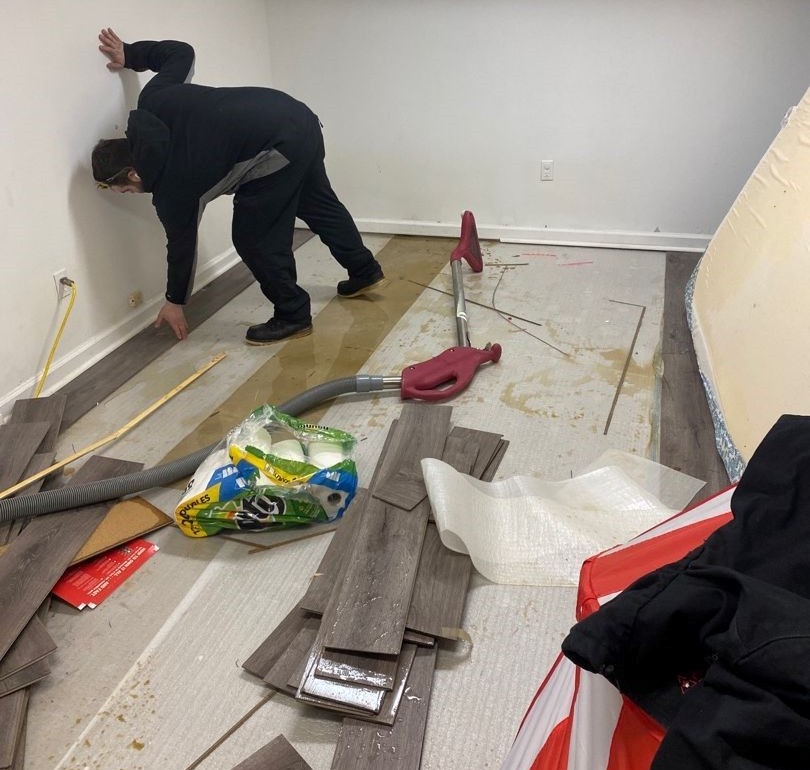
Key Takeaways for Homeowners
- Raw sewage is Category 3 (black water) under IICRC S500 and requires professional decontamination, not household cleaning products.
- Waiting even 24 to 48 hours allows mold colonization and subfloor delamination to begin, raising repair costs significantly.
- Homeowners insurance often covers sudden sewer backups, but only with a specific rider or endorsement, so checking your policy before disaster strikes matters.
- Hancock County’s rising spring water table and aging combined infrastructure make sewer backups a recurring seasonal risk, not a one-time fluke.
- DIY extraction with shop vacs and box fans cannot achieve the structural drying standards needed to prevent secondary mold growth.
- PuroClean Disaster Restoration offers 24/7 emergency dispatch and direct insurance billing for Greenfield homeowners facing this exact situation.
If sewage is actively backing up into your home right now, stop reading and call (317) 467-4436. Category 3 water contamination spreads through a structure quickly, and every hour of delay increases both health risk and the cost of restoration.
Mistake 1: Treating It Like a Regular Water Spill
Sewage backup is not the same problem as a leaking pipe or an overflowing washing machine. Category 3 water contains sewage effluent, waste matter, and potentially toxigenic organisms, so it requires a different response entirely.
Standard mopping and surface cleaning leave pathogens embedded in porous materials like drywall, carpet padding, and subflooring. A technician performing proper moisture mapping with a penetrating moisture meter can identify exactly how far contamination has traveled beneath the visible waterline, which is information a homeowner has no way to gather on their own.
Takeaway: Assume any sewage intrusion is Category 3 until a trained technician confirms otherwise, and treat it with full containment protocols from the start.
Mistake 2: Waiting to See If It Dries On Its Own
Some homeowners delay calling for help, hoping a fan and an open window will solve the problem. This is one of the costliest mistakes because mold spores can begin colonizing damp organic material within 24 to 48 hours, and mycotoxin-producing species are especially likely to take hold in warm, humid basements.
By the time visible mold appears, the job has typically shifted from a straightforward water extraction to a full mold remediation project governed by IICRC S520, which involves negative air pressure containment, air scrubbers, and HEPA filtration to prevent spores from spreading to unaffected areas of the home.
Takeaway: Call a restoration professional within hours, not days, to keep the job in Category 1 cleanup territory instead of a mold remediation project.
Mistake 3: Using Household Cleaners Instead of Antimicrobial Biocide
Bleach and generic disinfectant sprays are not formulated to neutralize the pathogen load found in raw sewage. Restoration technicians apply an EPA-registered antimicrobial biocide matched to the specific contamination category, applied after extraction and before drying begins, so the treatment actually reaches the surfaces that need it.
Skipping this step or substituting a store-bought product often means bacteria and viral particles remain active in wall cavities and subfloor materials even after the space looks clean. That hidden contamination becomes a liability issue if it is later discovered during a home sale inspection or a subsequent water event in the same area.
Takeaway: Professional-grade antimicrobial treatment, not surface disinfecting spray, is what actually stops pathogen regrowth.
Mistake 4: Skipping Thermal Imaging and Moisture Mapping
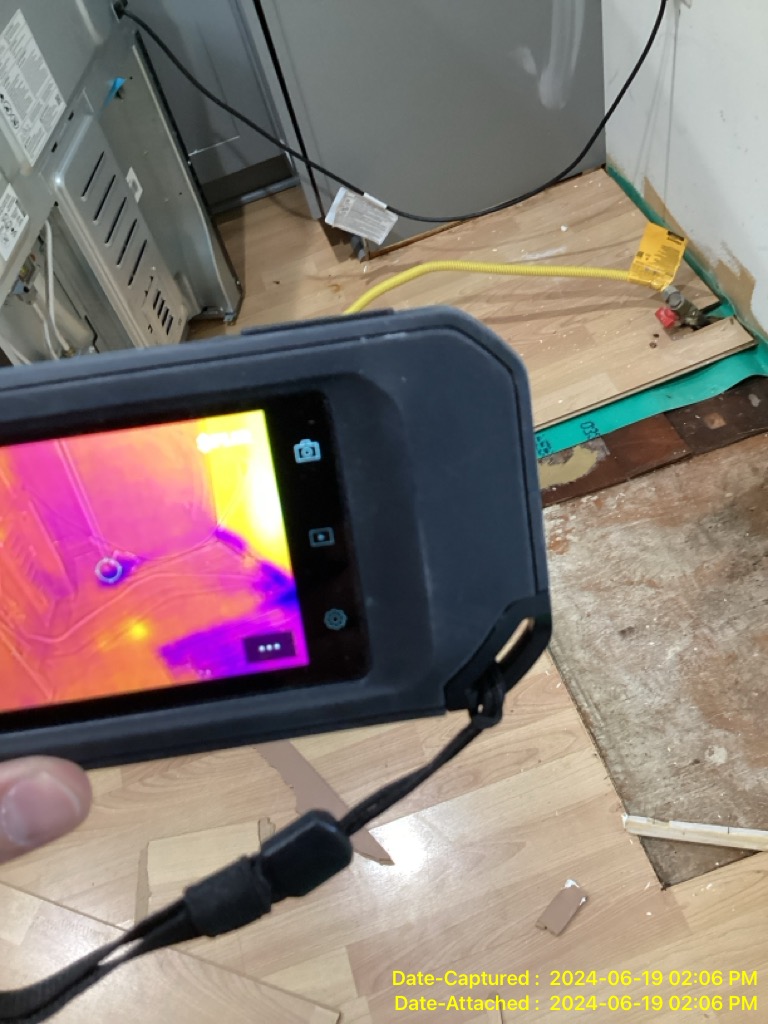
Visible wetness only tells part of the story. Thermal imaging cameras detect temperature differences that indicate hidden moisture behind walls, under flooring, and inside cavities that look completely dry to the naked eye. Combined with hygrometer readings taken at multiple points in the structure, this data lets technicians build an accurate moisture map before drying equipment is even set up.
Homeowners who skip this step and simply run fans over the visibly wet areas often leave pockets of trapped moisture that surface weeks later as musty odors, warped baseboards, or a soft spot in the subfloor. Subfloor delamination, where layers of plywood or OSB separate due to prolonged moisture exposure, is a common and expensive result of untreated hidden dampness.
Takeaway: A proper drying plan starts with knowing exactly where the moisture is, not guessing based on what looks wet.
Mistake 5: Underestimating Cross-Contamination Risk
Walking contaminated water through unaffected rooms, running a shop vac without proper containment, or letting pets and children move freely through the affected area can spread Category 3 contamination well beyond its original footprint. Restoration crews set up a containment barrier using plastic sheeting and negative air pressure specifically to prevent this kind of spread while extraction and drying are underway.
In Hancock County homes with finished basements, cross-contamination often travels up stairwells into main living areas faster than homeowners expect, since HVAC systems can pull contaminated air throughout the house if the system keeps running during the event.
Takeaway: Shut off the HVAC system and restrict foot traffic to the affected area immediately, before any cleanup begins.
Mistake 6: Not Checking Insurance Coverage Before Starting Repairs
Many Indiana homeowners assume a sewer backup is automatically covered under a standard policy, then discover after the fact that coverage required a specific sewer backup endorsement they never added. Others make the opposite mistake, assuming nothing is covered and paying out of pocket for a claim that would have qualified.
The Indiana Department of Insurance recommends reviewing your policy’s specific water and sewer backup language before an event occurs, since standard homeowners policies frequently exclude backup damage unless that endorsement is in place. A restoration company that offers direct insurance billing, like PuroClean Disaster Restoration, can also help document the loss properly with moisture readings and photos that support a claim rather than complicate one.
Takeaway: Call your insurance agent and confirm your sewer backup coverage before you need it, and keep documentation from day one of any actual event.
Mistake 7: Choosing Price Over Certification
Hiring the cheapest available cleanup crew after a sewage event often means hiring technicians without IICRC training in Category 3 water protocols. Improper dehumidification using standard household dehumidifiers instead of low grain refrigerant (LGR) equipment, for example, can stall the drying process for weeks, allowing structural wood and subfloor materials to stay in the danger zone for mold growth.
Class 4 water damage, where moisture has saturated low-permeance materials like hardwood, plaster, or concrete, requires specialized drying goals and extended monitoring that generic cleanup crews are rarely equipped to track. Structural drying done incorrectly the first time often has to be redone entirely, at a higher total cost than doing it right from the start.
If you notice a persistent musty smell, warped flooring, or discoloration on walls days after a cleanup crew has already left, that is a sign the drying was incomplete. Stop and call a certified restoration company before the problem grows.
Takeaway: IICRC certification and the right drying equipment are not optional extras. They are what separates a permanent fix from a repeat problem.
Why Greenfield Homes Are Especially Vulnerable
Greenfield sits within the Indianapolis metro in Hancock County, where a humid continental climate brings heavy spring snowmelt combined with seasonal rainfall. As snow melts and rain accumulates in the ground each spring, the local water table rises and creates hydrostatic pressure against basement floors and walls throughout many Greenfield neighborhoods. That pressure can force groundwater and, in older sections of town, sewage effluent through foundation cracks and floor drains.
Postwar ranch and split-level homes common throughout Hancock County subdivisions typically have poured concrete or block foundations that hold up reasonably well, but aging mortar joints in the fieldstone and block basements found in older brick homes near Greenfield’s historic downtown are more prone to seepage.
Overflowing gutters and downspouts draining too close to the foundation, poorly graded soil, and sump pump failure during heavy storms all compound the risk. When municipal sewer systems overload during intense rain, IDEM guidance on sewer overflow contamination confirms that backup water entering a home should be treated as Category 3 due to the likelihood of pathogen contamination.
Frequently Asked Questions
Does homeowners insurance cover sewage backup cleanup in Indiana?
Most standard homeowners policies do not automatically cover sewer backup damage. Coverage typically requires a specific sewer backup or water backup endorsement added to the policy. Homeowners should confirm this coverage with their agent before an event happens, since claims filed without the endorsement are frequently denied.
How much does professional sewage cleanup typically cost?
Costs vary widely based on the extent of contamination, square footage affected, and whether materials like drywall or flooring need removal and replacement. A contained, quickly addressed backup costs meaningfully less than one left to sit for days, since delayed cleanup often adds mold remediation and material replacement to the scope.
How long does sewage cleanup and drying take?
A typical Category 3 water cleanup involves same-day extraction and containment, followed by three to five days of structural drying and dehumidification while technicians monitor hygrometer readings to confirm materials have returned to normal moisture levels. Severe Class 4 situations involving saturated hardwood or concrete can take longer.
Can I clean up a small sewage backup myself?
Any direct contact with raw sewage carries health risk, since Category 3 water contains bacteria and viruses regardless of the spill size. Small, contained spills on non-porous surfaces may be manageable with proper PPE and antimicrobial products, but any backup affecting carpet, drywall, or subflooring should be handled by trained technicians.
What health risks come from sewage exposure in a Greenfield home?
Raw sewage exposure can cause gastrointestinal illness, skin infections, and respiratory irritation from airborne particles, particularly when moisture sits long enough to support mold growth. Children, elderly residents, and anyone with a compromised immune system face elevated risk and should avoid the affected area entirely until professional cleanup is complete.
Why does Greenfield see more sewage backups in spring?
Spring snowmelt combined with seasonal rainfall raises the local water table across Hancock County, increasing hydrostatic pressure against foundations and overloading municipal sewer systems during heavy rain events. This seasonal pattern makes spring the highest-risk period for both groundwater seepage and sewer backup in the Greenfield area.
Get Help Now From a Local, Certified Team
Sewage backups do not wait for a convenient time, and neither should your response. PuroClean Disaster Restoration provides 24/7 emergency dispatch to Greenfield and the surrounding Hancock County area, with IICRC-certified technicians who follow the S500 standard for Category 3 water contamination from the first phone call through final drying verification.
The team also handles direct insurance billing, so homeowners are not left navigating a claims process alone while managing a disaster at home.
Call PuroClean Disaster Restoration at (317) 467-4436, available 24 hours a day, or visit the team at 625 S. State St., Greenfield, IN 46140.